

You see more people picking eco-friendly materials for shoes now. The eco-friendly shoe market might reach $12.3 billion in 2024. Regular leather hurts the earth with pollution and cutting down trees. Artificial leather for shoes, like vegan leather or synthetic choices, gives you strong, stylish, and earth-friendly options.
Key Takeaways
- Check out different eco-friendly leather choices like Piñatex, apple leather, and mushroom leather. Each one has special good points for style and for helping the Earth.
- Picking shoes made from artificial leather can cut down on waste and pollution. These materials often use recycled things or plants, so they are better for the planet.
- Find shoes that feel good and look nice to you. Many eco-friendly choices are soft, strong, and come in lots of colors and textures.
Artificial Leather for Shoes: Quick Comparison


Material Overview
There are many types of leather alternatives for shoes. Each type is different and special. Some are made from plants. Others use recycled things. A few use food waste. Here are the top 10 choices:
| Material | Eco-Friendliness | Durability | Look/Feel | Main Source |
|---|---|---|---|---|
| Piñatex | High | Good | Textured, soft | Pineapple leaves |
| Apple Leather | High | Good | Smooth, flexible | Apple waste |
| Mushroom Leather | High | Moderate | Soft, suede-like | Mycelium (fungi) |
| Cactus Leather | High | Good | Smooth, sturdy | Cactus plants |
| Grape Leather | High | Moderate | Soft, matte | Wine industry waste |
| Microfiber Leather | Moderate | High | Smooth, versatile | Synthetic fibers |
| Recycled PET Leather | Moderate | High | Sleek, durable | Recycled plastics |
| Cork Leather | High | Moderate | Textured, light | Cork oak bark |
| Deadstock/Upcycled | High | Varies | Unique, mixed | Textile leftovers |
| Faux Leather Sheets | Moderate | High | Smooth, classic | Polyurethane (PU) |
Key Features
Artificial leather for shoes is strong and looks nice. Most types last a long time. You can wear them outside or every day. Many kinds do not let water in. They are easy to clean. Microfiber and faux leather sheets are good for washing. They do not break down easily. You can pick from many styles. Some are soft and feel like suede. Others are shiny or smooth. Not all shoe materials let air in like real leather. But you can still find shoes that feel good and fit well.
Tip: Choose shoes based on what you care about most. You might want eco-friendliness, style, or easy cleaning.
Piñatex
Description
Piñatex is different from other leather alternatives. It is made from pineapple leaf fibers. Farmers usually throw away these leaves after picking pineapples. Now, they can use them to make something new. This helps farmers earn more money and cuts down on waste. The fibers are pressed together to make sheets. These sheets look and feel like leather. The process uses very few chemicals. You get a stylish and soft material. It does not hurt the planet like traditional leather.
Eco Benefits
Choosing Piñatex helps the earth in many ways. Pineapple leaves are left over from farming. No extra land or water is needed. This helps stop cutting down trees and lowers pollution from animal leather. Piñatex does not use strong chemicals like regular tanning. It is more biodegradable than most synthetic options. If you want vegan leather that is good for the earth, Piñatex is a smart choice.
Pros & Cons
Here are some things about Piñatex:
- Pros:
- Uses waste from pineapple farming 🍍
- Needs fewer chemicals to make
- Light and lets air through
- Looks stylish and feels special
- Helps farmers earn money
- Cons:
- Not as waterproof as other materials
- Can feel stiff at first
- Fewer color choices
Tip: If you want shoes that help the planet and look cool, Piñatex is a great choice for sustainable style.
Apple Leather

Description
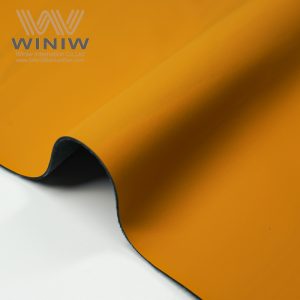
Apple leather is made from leftover apple peels and cores. Factories get these from making juice and applesauce. They dry the apple parts and turn them into powder. The powder is mixed with safe resin. This makes a soft, bendy sheet. The sheet looks and feels like real leather. Many brands use apple leather for shoes, bags, and wallets. Apple leather is special because it uses food waste. This waste would go to landfills if not used.
Eco Benefits
Choosing apple leather helps the planet in many ways. It uses apple waste, so less food is thrown away. This means we need fewer new resources. Making apple leather uses less water and energy than animal leather. Apple leather can break down faster than most fake leathers. It does not use harsh chemicals that hurt nature. Picking apple leather helps make the world cleaner and greener.
Did you know? Apple leather can have up to 50% apple fiber. This makes it one of the coolest eco-friendly materials for shoes.
Pros & Cons
Here are some things to know about apple leather:
- Pros:
- Uses food waste from apples 🍏
- Soft, bendy, and light
- Better for the earth
- Vegan and kind to animals
- Cons:
- Not as tough as some other materials
- Can cost more than regular faux leather
- Not many color or texture choices
If you want cool shoes and care about the earth, apple leather is a good choice.

Mushroom Leather
Description
Mushroom leather comes from mycelium, which is the root part of mushrooms. You might find this material under names like Mylo or MuSkin. Makers grow mycelium on natural waste, then press it into sheets that look and feel like suede. You get a soft, flexible material that works well for shoes. Mushroom leather stands out among leather alternatives because it uses fast-growing fungi. You can find it in sneakers, boots, and even sandals.
Eco Benefits
You help the planet when you pick mushroom leather for your shoes. This material is biodegradable, so it breaks down much faster than plastic-based options. The process to make mushroom leather uses very little water and energy. You do not need harsh chemicals or animal products. This means you avoid the pollution and cruelty linked to traditional leather. Mushroom leather gives you a stylish and ethical choice for your next pair of shoes.
Did you know? Mushroom leather can grow in just a few weeks, making it one of the fastest and most earth-friendly materials for footwear.
Pros & Cons
Here are some things to think about with mushroom leather:
- Pros:
- Grows quickly and uses less water 🌱
- Soft and comfortable for your feet
- Good for the earth and cruelty-free
- Breaks down naturally after use
- Cons:
- Not as tough as some other materials
- Can cost more than regular faux leather
- Fewer color and texture choices right now
If you want shoes that feel good and do good, mushroom leather is a smart pick.


Cactus Leather
Description
Cactus leather stands out as one of the most exciting leather alternatives for shoes. You get this material from mature cactus leaves. Farmers pick the leaves, clean them, and then let them dry in the sun. This sun-drying step is an old method that helps save energy. After drying, the leaves turn into a bio-resin. Makers spread this resin onto a base fabric. The result feels smooth and sturdy, almost like real leather. You can find cactus leather in sneakers, boots, and even sandals. It looks stylish and feels soft, so you do not have to give up comfort for sustainability.
Eco Benefits
You help the planet every time you choose cactus leather. Cactus plants need very little water to grow, so they save a lot of this precious resource. The process also uses less energy because of the sun-drying step. Cactus leather helps lower carbon emissions compared to animal leather. It fits right in with the trend of using plant-based materials that are better for the earth. Many people like that cactus leather is biodegradable, so it breaks down faster than plastic-based options.
Tip: If you want shoes that are kind to the earth and look great, cactus leather is a smart pick!
Pros & Cons
Here are some things you might like about cactus leather:
- Uses less water and energy
- Reduces carbon footprint
- Durable and high quality
- Soft and comfortable
But you should also know:
- Fewer color choices than some other materials
- Can cost more than regular faux leather
You get a strong, eco-friendly option that feels good and looks modern.

Grape Leather
Description
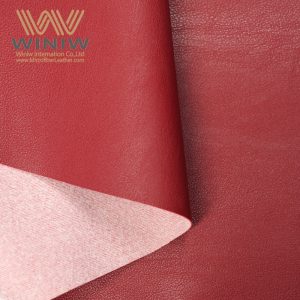
Grape leather is one of the newest leather alternatives you can find for shoes. Makers use leftover grape skins, seeds, and stalks from the wine industry. They dry and grind these grape parts, then mix them with plant-based oils and safe resins. You get a soft, flexible sheet that looks and feels like real leather. Grape leather comes in many colors and textures, so you can pick a style that fits you. You might see grape leather in sneakers, boots, or even fancy dress shoes.
Did you know? Using grape waste helps keep tons of food scraps out of landfills every year.
Eco Benefits
When you choose grape leather, you help the planet in several ways. This material uses food waste, so it reduces the need for new resources. The process saves water and energy compared to animal leather. Grape leather is biodegradable, which means it breaks down faster than most synthetic options. You also avoid the pollution and cruelty linked to traditional leather. If you want shoes that are stylish and earth-friendly, grape leather is a smart pick.
Pros & Cons
Here are some things you might like about grape leather:
- Uses wine industry waste 🍇
- Soft and comfortable
- Comes in many colors and styles
- Good for the earth
But you should also know:
- Not as tough as some other materials
- Can cost more than regular faux leather
- Limited availability in some stores
Tip: If you want shoes that stand out and help the planet, grape leather is a great choice for eco-conscious shoppers.

Microfiber Leather
Description
You can find microfiber leather in lots of shoes today. Makers use polyester or nylon fibers to make a thick fabric. They cover this fabric with polyurethane to make it smooth. Special machines press the material to give it different looks. The process uses spinning, weaving, and coating steps. Extra treatments make it stronger. Microfiber leather is soft and stylish. It lasts a long time and stands out from other leather alternatives.
- Made from polyester or nylon fibers
- Covered with polyurethane for a smooth finish
- Uses machines for texture and strength
Eco Benefits
Choosing microfiber leather helps the planet in some ways. This material does not use animal products. It is good for people who care about animals. Microfiber leather uses less water and energy than real leather. Making real leather can use over 17,000 liters of water for one bag. Microfiber leather also makes less pollution than animal leather. It is not fully biodegradable, but it lasts longer. You do not need to replace your shoes as often, so fewer shoes go to landfills.
Note: Microfiber leather is tougher than many other fake leathers, so your shoes look nice for a long time.
- Makes less pollution than real leather
- Saves water and energy when made
- Good for vegans and animal lovers
Pros & Cons
Here are some good things about microfiber leather:
- Strong and simple to clean 🧼
- Soft and feels nice to wear
- Comes in many colors and styles
But you should also know:
- Does not break down in nature
- Made from man-made materials
- Can cost more than basic faux leather
If you want shoes that last and look cool, microfiber leather is a smart choice for people who care about the earth.
Recycled PET Leather
Description
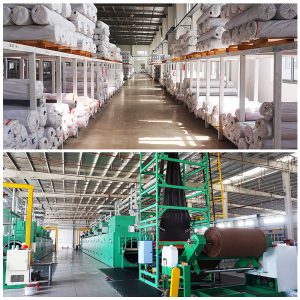
Recycled PET leather gives plastic bottles a second life. You might see this material in sneakers, boots, or even sandals. The process to make it is pretty cool. Here’s how it works:
- Collection & Sorting: Workers gather used PET bottles and sort them to remove anything that is not PET plastic.
- Cleaning & Shredding: The bottles get washed to remove labels and glue, then shredded into tiny flakes.
- Melting & Extrusion: These flakes melt down and get pushed through machines to form long fibers.
- Drawing & Spinning: The fibers cool off and stretch to make them strong and stretchy.
- Winding & Finishing: The fibers wind onto spools or get cut, then treated to make them even better.
- Quality Control & Packaging: Each batch gets checked to make sure it meets high standards before shipping out.
You end up with a material that looks and feels like leather but comes from recycled plastic. This makes it one of the most popular leather alternatives for eco-friendly shoes.
Eco Benefits
When you pick recycled PET leather, you help the planet in many ways:
- Eco-Friendly Impact: You cut down on pollution and save natural resources.
- Cost Efficiency: These shoes last longer, so you throw away less and save money over time.
- Brand Loyalty: Many people like brands that care about the earth, so you support good companies.
- Innovation Boost: Using new materials leads to creative shoe designs.
- Regulatory Compliance: Eco-friendly shoes help brands follow environmental rules.
Tip: If you want shoes that look cool and help the earth, recycled PET leather is a smart choice.
Pros & Cons
Let’s look at the good and not-so-good sides:
- Pros:
- Keeps plastic bottles out of landfills ♻️
- Strong and water-resistant
- Easy to clean and care for
- Vegan and cruelty-free
- Cons:
- Not fully biodegradable
- Can feel less breathable than natural materials
- Sometimes costs more than regular synthetic shoes
You get a tough, stylish option that helps the planet and supports the move toward greener fashion.

Cork Leather
Description
Cork leather comes from the bark of cork oak trees. Workers carefully peel the bark without hurting the tree. The tree grows new bark every nine years. You get a material that feels light and soft. Cork leather has a unique, textured look. It stands out from other shoe materials. You might see it in sneakers, sandals, or even dress shoes. Many people like cork leather because it feels different and looks natural.
Eco Benefits
When you pick cork leather, you help the planet in big ways. Cork oak trees keep growing after workers remove the bark. This means cork leather is a renewable choice. The trees support many plants and animals, so you help protect local wildlife. Cork leather breaks down naturally when you throw it away. Makers use very few chemicals to turn cork into leather. This keeps the air and water cleaner. You make a smart choice for the earth when you choose cork leather over other leather alternatives.
Did you know? Cork forests help fight climate change by soaking up carbon dioxide from the air.
Pros & Cons
Here are some things you might like about cork leather:
- Super light and comfy to wear
- Water-resistant and easy to clean
- Unique look that stands out
- Good for people with allergies
But you should also know:
- Not as strong as some other materials
- Can crack if you bend it too much
- Fewer color choices
If you want shoes that feel natural and help the planet, cork leather is a great pick.
Deadstock & Upcycled Fabrics
Description
You might see shoes made from deadstock and upcycled fabrics in stores now. These materials come from leftover textiles, old clothes, or unused factory scraps. Brands collect these fabrics before they end up in landfills. You get shoes with unique patterns and colors because every batch looks different. Some makers use denim, canvas, or even old upholstery. You never know what style you will find next. Deadstock and upcycled fabrics stand out among leather alternatives because they give new life to things that would otherwise go to waste.
Eco Benefits
Choosing shoes made from deadstock and upcycled fabrics helps the planet in big ways. You keep waste out of landfills. You save water and energy because you do not need to make new materials. You also lower pollution since factories do not have to dye or treat fresh fabric. Every pair of shoes you buy supports a circular economy. You help brands use what they already have instead of making more. This choice makes a real difference for the environment.
Tip: If you want shoes that tell a story and help the earth, upcycled fabrics are a smart pick.
Pros & Cons
Here are some things you might like about deadstock and upcycled fabrics:
- Unique look and style every time
- Less waste and pollution
- Good for people who want eco-friendly fashion
But you should also know:
- Durability can change depending on the fabric
- Limited supply and sizes
- Sometimes costs more than mass-produced shoes
You get shoes that stand out and help the planet, but you might need to search for the right fit.


Faux Leather Sheets
Description
You see faux leather sheets in many shoe stores. These sheets come from polyurethane (PU), which is a type of plastic. Makers press and coat the sheets to look and feel like real leather. You get a smooth, classic finish that works for sneakers, boots, and dress shoes. Faux leather sheets stand out because they are easy to cut and shape. You can find them in lots of colors and textures. If you want shoes that look sharp and last a long time, faux leather sheets give you a solid choice among leather alternatives.
Eco Benefits
You help the planet when you pick faux leather sheets for your shoes. These sheets do not use animal products, so they are vegan-friendly. The process uses less water and energy than making animal leather. Some brands use recycled PU, which keeps plastic out of landfills. Faux leather sheets last a long time, so you do not need to replace your shoes often. You save money and reduce waste. Many companies now use safer chemicals to make these sheets, which helps keep the air and water clean.
Tip: Look for shoes made with recycled faux leather sheets if you want to boost your eco impact!
Pros & Cons
Pros:
- Durable and easy to clean 🧽
- Lots of color and style choices
- Water-resistant and strong
- Vegan and cruelty-free
Cons:
- Not biodegradable
- Can feel less breathable than natural materials
- Sometimes cracks over time
You get a stylish, tough option that fits many needs, but you might miss the softness of natural materials.
Choosing Artificial Leather for Shoes
Comfort & Fit
You want shoes that feel good all day. When you pick artificial leather for shoes, check if the shoe material feels soft and flexible. Some options, like apple leather or microfiber, bend easily and fit your foot shape. Try on different pairs to see which ones give you the best comfort. If you have wide feet or need extra support, look for brands that offer more sizes or special insoles. Breathable materials help keep your feet cool, so think about that if you wear shoes for long hours.
Durability
You need shoes that last. Some artificial leather for shoes, like microfiber or recycled PET, stands up to daily wear and tear. If you want boots or sneakers for rough use, pick a shoe material that resists water and scratches. Handmade or made-to-order shoes often last longer because makers pay close attention to details. You can also look for shoes with strong stitching and thick soles. These features help your shoes stay in good shape for a long time.
Style & Aesthetics
You can find artificial leather for shoes in many colors and styles. Some materials, like grape or cactus leather, give you a unique look. If you want something classic, faux leather sheets offer smooth finishes and lots of color choices. Deadstock fabrics can make your shoes one-of-a-kind. Think about what matches your style and how you want your shoes to stand out. You can even find shoes with cool textures or patterns.
Sustainability Goals
If you care about the planet, choose shoes made from carefully sourced materials. Deadstock fabrics and high-quality vegan alternatives help reduce waste. Some brands use Leather Working Group–certified leather, which means they follow ethical practices. Picking shoes made from recycled or upcycled materials supports a cleaner world. You can also look for brands that use less water and energy in their process. Every small choice helps the earth.
Tip: Check if your shoes are easy to clean and repair. This way, you can wear them longer and waste less.
You have ten great eco-friendly leather options for shoes. Each one helps the planet and gives you style. Try Piñatex, apple, mushroom, cactus, grape, microfiber, recycled PET, cork, deadstock, or faux leather sheets.
Make your next shoe choice count—pick sustainable fashion and help build a greener future!

FAQ
What makes artificial leather eco-friendly?
Artificial leather is eco-friendly when brands use plant-based, recycled, or upcycled stuff. These materials help cut down on trash and pollution.
Can you clean eco-friendly leather shoes easily?
Yes! Most eco-friendly leather shoes clean up with a wet cloth. Some types, like microfiber, are extra simple to wipe off.
Are vegan leather shoes as durable as real leather?
Many vegan leather shoes last for years. Microfiber and recycled PET shoes often fight off scratches and water better than animal leather.