

When I shop for shoes, I notice many people miss the subtle qualities that set nubuck apart. Nubuck delivers a velvety texture that feels different from other leathers. Many buyers underestimate how much nubuck needs regular care. I find that dirt settles quickly on nubuck, so proper cleaning proves essential. The Nubuck Upper demands attention to detail, especially since stains can linger.
- Nubuck resists wear, but moisture can damage its surface.
- I always use specialized products for nubuck to maintain its look and feel.
Nubuck rewards careful owners with lasting comfort and unique style.
Key Takeaways
- Nubuck offers a unique, velvety texture that requires regular care to maintain its appearance and comfort.
- Always use specialized cleaning products for nubuck to prevent damage and extend the life of your shoes.
- Proper fit is crucial; ensure enough toe room and a snug heel to avoid discomfort as nubuck stretches over time.
- Protect nubuck from moisture with a specialized spray, as water can cause permanent stains and damage.
- Regularly inspect and brush your nubuck shoes to keep the nap fresh and prevent deep-set stains.
Nubuck Upper Qualities


Texture and Appearance
When I first touched nubuck, I noticed its unique surface. The texture feels soft and velvet-like, which sets it apart from other materials. I often compare nubuck to suede and smooth leather to help buyers understand the difference:
- Nubuck has a velvet-like texture created by sanding or buffing the outer layer of the hide. This process gives it a luxurious feel and a matte finish.
- Suede offers a soft, fuzzy surface, but it comes from the lower split of the hide and stains more easily.
- Smooth leather features a uniform finish, achieved by sanding the surface to remove imperfections.
Nubuck stands out because it combines a rich look with a tactile experience. I find that the matte finish of nubuck adds a subtle elegance to any pair of shoes. The color depth also appears more vibrant on nubuck, making it a favorite for those who want their footwear to stand out.
Durability and Resistance
I trust nubuck for its durability. The outer layer of the hide gives nubuck a strong structure. I have worn nubuck shoes for years and noticed they resist scuffs better than suede. However, I always remind buyers that nubuck needs protection from moisture. Water can leave marks on the surface, so I use a spray designed for nubuck to add a layer of resistance. I also avoid exposing nubuck to rough surfaces, as abrasion can damage the fine texture. With proper care, nubuck maintains its shape and appearance longer than many other materials.
Tip: Always let nubuck shoes dry naturally if they get wet. Direct heat can cause the material to stiffen or crack.
Comfort and Flexibility
Comfort matters to me when I choose footwear. Nubuck offers a flexible upper that adapts to the shape of my foot. I notice that nubuck feels softer over time, which increases comfort with each wear. The breathability of nubuck also keeps my feet cool, even during long days. I recommend nubuck shoes for anyone who values both support and a gentle touch on the skin. The combination of flexibility and softness makes nubuck a top choice for daily wear.
Choosing the Right Nubuck Upper
Fit and Toe Room
When I select nubuck footwear, I always start by checking the fit. Nubuck molds to the shape of my foot over time, but I never compromise on initial comfort. I look for enough toe room to prevent pinching or discomfort. A snug fit around the heel keeps my foot secure, while a little space at the front allows for natural movement. I often try on both shoes and walk around the store to ensure the nubuck does not feel too tight or too loose.
Tip: I recommend shopping for nubuck in the afternoon. Feet tend to swell during the day, so this timing helps me find the most accurate fit.
I also pay attention to the width. Nubuck stretches slightly with wear, but it should never feel restrictive. I avoid shoes that press against the sides of my feet. Proper fit ensures that the nubuck upper supports my foot without causing blisters or pressure points.
Outsole Flexibility
Outsole flexibility plays a major role in comfort. I always bend the shoe gently to test how the nubuck upper and outsole move together. A flexible outsole allows my foot to roll naturally with each step. I notice that engineered outsoles, especially those designed for walking or casual wear, enhance the comfort of nubuck.
I compare different outsole materials when I shop. Rubber outsoles provide good grip and flexibility, while leather outsoles offer a classic look but less give. I prefer outsoles that balance support and movement, especially for long days on my feet. Nubuck works best with outsoles that do not restrict its natural softness.
Here is a quick comparison table I use when evaluating outsole options for nubuck:
| Outsole Material | Flexibility | Grip | Best Use Case |
|---|---|---|---|
| Rubber | High | High | Everyday, walking |
| Leather | Medium | Low | Dress, formal events |
| Synthetic | Varies | Varies | Casual, mixed terrain |
I always choose the outsole that matches my lifestyle and the intended use of the nubuck footwear.
Style and Color Options
Nubuck offers a wide range of style and color choices. I find that the matte finish of nubuck brings out rich, deep colors that stand out in any wardrobe. When I want versatility, I select neutral shades like tan, gray, or navy. These colors pair well with jeans, chinos, or even dress pants. For a bold statement, I sometimes choose brighter hues or unique finishes.
I match my nubuck shoes with my wardrobe by considering both color and style. Casual nubuck sneakers work well with relaxed outfits, while nubuck loafers or boots elevate my look for more formal occasions. I always check the stitching and design details, as these can add subtle flair to the overall appearance.
Note: Nubuck absorbs dyes differently than smooth leather, so I always inspect the color for evenness and depth before making a purchase.
I also consider seasonal trends. Lighter nubuck shades suit spring and summer, while darker tones fit fall and winter wardrobes. I rotate my nubuck collection to keep my style fresh throughout the year.
Nubuck Care and Maintenance
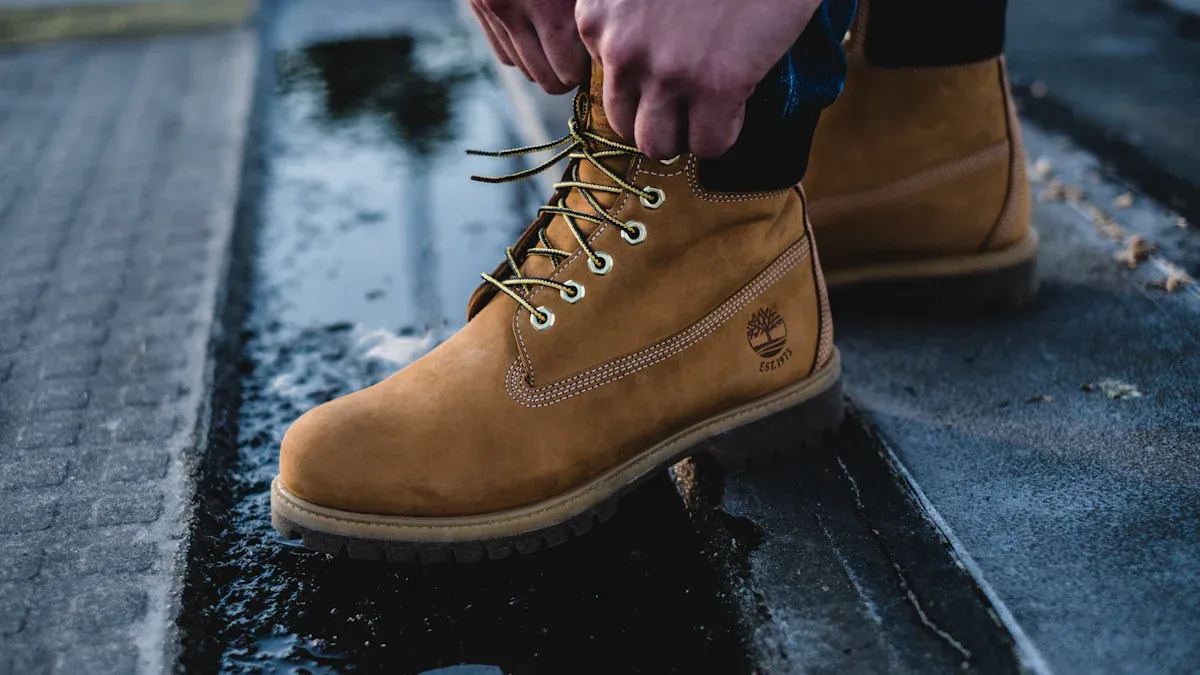
Cleaning Tools and Methods
I always approach nubuck care with precision. Nubuck requires specialized tools and gentle handling. Over the years, I have tested many products and found that the right tools make a significant difference in preserving the texture and appearance of nubuck. Before I begin cleaning, I remove loose dirt with a dry brush. This step prevents particles from embedding deeper into the material.
Here is a table of cleaning tools I recommend for nubuck:
| Cleaning Tool | Purpose |
|---|---|
| Standard brush with synthetic bristle | Ideal for leather sneakers and boost foam soles |
| Premium brush with softer bristles | Ideal for knit or delicate fabric |
| Dry brush | To clean dirt off before using water and solution |
| Bowl of water | To dip brushes in |
| Cleaning solution | Diluted dish or laundry soap can be used |
| Rag | To stuff soft shoes to keep their shape |
| Towels | To press water out of the sneaker material |
I use a premium brush with soft bristles for nubuck. This tool lifts dirt without damaging the delicate nap. When I encounter stubborn stains, I apply a small amount of diluted cleaning solution to the brush. I avoid soaking the nubuck, as excess moisture can cause discoloration. After cleaning, I stuff the shoes with a rag to help them retain their shape. I press a towel gently against the surface to absorb any remaining moisture.
Nubuck differs from smooth leather in its cleaning needs. Smooth leather tolerates more moisture and can handle stronger cleaners. Nubuck, on the other hand, demands a lighter touch. I never use harsh chemicals or rough brushes on nubuck. These can strip away the fine fibers that give nubuck its signature feel.
Tip: Always test any cleaning solution on a small, hidden area of the nubuck before applying it to the entire shoe.
I follow a regular cleaning routine to keep my nubuck shoes looking their best. Consistent care prevents dirt buildup and extends the life of the material. I also recommend reviewing cleaning and maintenance tips for nubuck and suede leather from trusted sources to stay updated on best practices.
Water and Abrasion Protection
Nubuck offers a luxurious look, but it remains vulnerable to water and abrasion. I always apply a protective spray designed specifically for nubuck. This product creates a barrier that repels moisture and helps prevent stains. I spray the shoes evenly and allow them to dry completely before wearing them.
When I expect wet conditions, I choose footwear with additional water resistance. However, I never assume that any nubuck shoe is fully waterproof. Even with protection, water can leave marks or cause the material to stiffen. If my nubuck shoes get wet, I let them dry naturally at room temperature. I avoid direct heat sources, which can damage the fibers.
Abrasion poses another challenge for nubuck. I take care to avoid rough surfaces that might scuff or tear the upper. When I notice signs of wear, I use a nubuck brush to gently restore the nap. Regular brushing keeps the surface looking fresh and prevents shiny spots from developing.
Note: Nubuck requires more frequent maintenance than smooth leather. I find that investing a few minutes after each wear pays off in the long run.
By following these steps, I maintain the beauty and durability of my nubuck shoes. Proper care ensures that the unique qualities of nubuck remain intact, providing comfort and style for years.

Common Mistakes with Nubuck
Ignoring Care Needs
I often see people underestimate the importance of regular maintenance for nubuck shoes. When I neglect cleaning and brushing, the nap flattens and stains become permanent. Dirt and moisture settle deep into the material, making cleaning much harder. Over time, the texture loses its softness and the shoes look dull. I learned that improper cleaning techniques can damage nubuck further, shortening its lifespan and reducing comfort. Consistent care keeps the nap fresh and the appearance vibrant.
Tip: I always set aside time each week to brush and inspect my nubuck shoes. This habit prevents deep-set stains and keeps the material looking new.
Misjudging Water Resistance
Many buyers assume nubuck offers strong water resistance. I made this mistake early on and wore my nubuck shoes in wet conditions. Water left visible marks and caused the material to stiffen. Even after applying protective spray, I never treat nubuck as waterproof. I avoid puddles and heavy rain whenever possible. If my shoes get wet, I let them dry naturally at room temperature. Direct heat damages the fibers and ruins the texture.
Common misconceptions about nubuck water resistance:
- Protective sprays help but do not make nubuck waterproof.
- Water exposure can lead to permanent stains.
- Drying with heat causes cracking and loss of flexibility.
Overlooking Wear Patterns
I pay close attention to how my nubuck shoes wear over time. Some owners ignore subtle changes in the nap or color, which signal areas of stress or abrasion. I notice shiny spots or uneven texture after frequent use. Regular brushing restores the nap and prevents these patterns from becoming permanent. I rotate my nubuck shoes to avoid excessive wear in one area. Monitoring wear patterns helps me maintain both comfort and appearance.
Note: I recommend checking the toe box, heel, and sides for early signs of wear. Addressing these spots quickly extends the life of nubuck footwear.

Spotting Quality Nubuck
Texture and Finish Check
When I evaluate nubuck shoes, I always start by inspecting the texture. Quality nubuck feels velvety and consistent across the entire upper. I run my fingers over the surface to check for a uniform nap. Any rough patches or shiny spots signal lower-grade material. I look for a matte finish that absorbs light evenly. High-quality nubuck displays rich color depth and subtle variations in tone. I avoid shoes with uneven dye or blotchy areas. These flaws often indicate shortcuts in production.
Tip: I recommend checking the texture in natural daylight. Artificial lighting can hide imperfections in the nubuck finish.
Stitching and Build
I pay close attention to the stitching and construction of nubuck footwear. Tight, even stitches show careful craftsmanship. Loose threads or crooked lines suggest poor quality. I inspect the seams for reinforcement, especially around stress points like the toe and heel. Double stitching adds durability and helps the nubuck upper maintain its shape. I also check the lining and insole for comfort and support. Well-built shoes use quality materials throughout, not just on the surface.
- Key signs of strong build:
- Consistent stitching
- Reinforced seams
- Smooth transitions between nubuck and other materials
Brand Reputation
Brand reputation plays a major role in my decision-making process. I trust companies with a history of producing reliable nubuck footwear. Thursday Boots stands out for its WeatherSafe™ nubuck upper and ethical practices. I find their shoes offer handcrafted quality and premium materials. The price reflects the attention to detail and durability.
| Brand | Quality Features | Price Range |
|---|---|---|
| Thursday Boots | WeatherSafe™ Nubuck Upper, handcrafted, high-quality materials, ethical practices | $200-400 (compared) |
I always research brands before buying. Reviews and customer feedback help me gauge consistency and satisfaction. Choosing a reputable brand ensures the nubuck upper meets my expectations for comfort, style, and longevity.
I always prioritize the unique needs of nubuck when selecting shoes. To keep my nubuck upper looking its best, I use a specialized suede disinfectant spray and avoid liquids like alcohol or vinegar. I sometimes choose a UV shoe sanitizer for moisture-free cleaning. Regular care and attention help me maintain the comfort, style, and durability of nubuck. By understanding these essentials, I make smarter choices and enjoy my nubuck shoes for years.
- Use suede disinfectant spray for cleaning
- Avoid alcohol or vinegar to prevent stains
- Consider UV shoe sanitizers for safe disinfection


FAQ
What are the key features of nubuck leather?
I notice nubuck leather offers a velvety texture, strong durability, and a matte finish. This material resists scuffs better than suede and provides excellent comfort for daily wear. I always recommend nubuck for those seeking high-quality footwear.
What are the pros and cons of nubuck leather?
I find nubuck leather delivers superior comfort and style. It resists abrasion but requires regular care. Water can stain the surface, so I always use protective sprays. Nubuck offers a luxurious look but needs more maintenance than smooth leather.
How do I choose between nubuck and suede leather?
I compare texture, durability, and care needs. Nubuck feels firmer and resists wear better. Suede offers a softer touch but stains easily. I select nubuck for high-quality footwear and choose suede for lighter, casual styles.
How can I distinguish nubuck leather from suede leather?
I check the surface texture and finish. Nubuck has a fine, velvety nap and a matte appearance. Suede feels fuzzier and looks less uniform. I always inspect the color depth and nap consistency to identify nubuck.
What should I look for in high-quality footwear made from nubuck?
I examine stitching, nap uniformity, and brand reputation. I trust brands with consistent quality and ethical practices. I always inspect the finish and construction before buying to ensure long-lasting comfort and style.