


Selecting the right boots for work environments demands careful attention to material quality, waterproof protection, and essential safety features. Workers face hazards such as rain, electrical risks, or heavy objects, so they should match their nubuck safety boots to specific job conditions. Safety footwear must offer both comfort and durability. Reliable waterproof options help keep feet dry, even during demanding shifts.
Key Takeaways
- Choose waterproof nubuck safety boots to protect your feet from moisture and hazards in wet work environments.
- Look for essential features like steel toe protection, slip-resistant outsoles, and breathable linings to enhance safety and comfort.
- Regularly clean and maintain your boots to extend their lifespan and ensure they remain waterproof.
- Assess your specific work hazards to select the right boots that match your job requirements for optimal safety.
- Read customer reviews and product descriptions carefully to make informed decisions about the best waterproof boots for your needs.
What Are Waterproof Nubuck Safety Boots
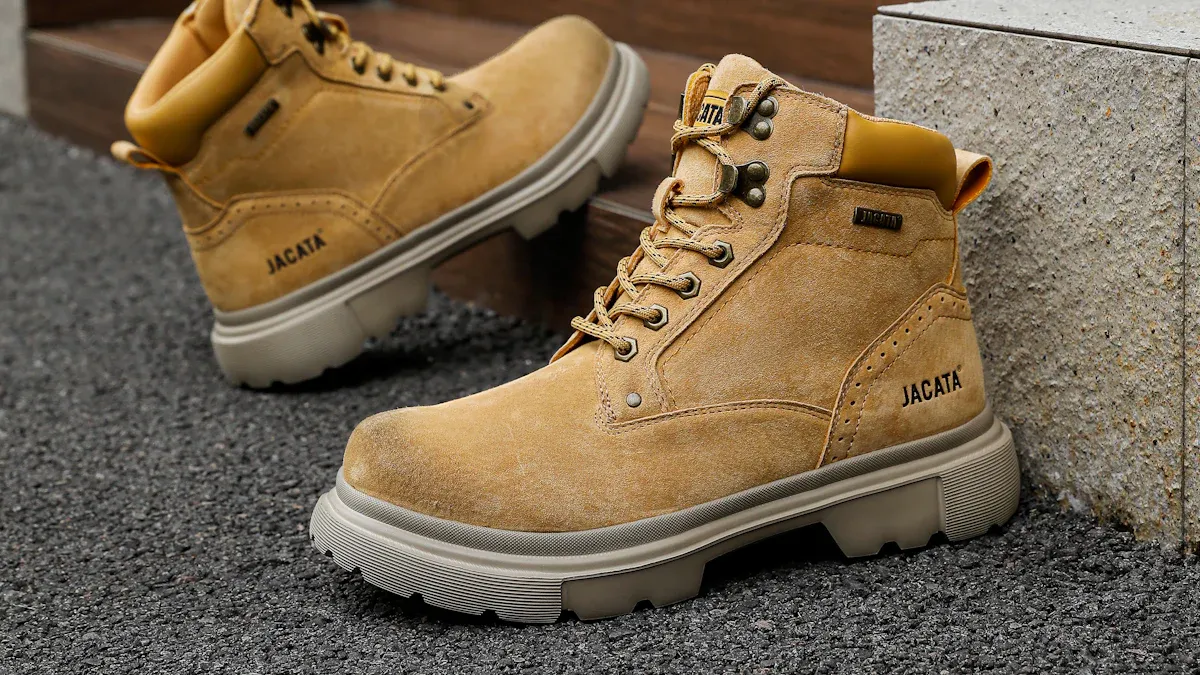
Nubuck Leather Explained
Nubuck leather stands out as a premium material in the safety footwear industry. Manufacturers create nubuck by sanding the outer layer of cowhide, which gives the boots a soft, velvety texture. This process enhances both the appearance and durability of the boots. Workers often prefer nubuck for its balance of ruggedness and style. Many waterproof boots use nubuck because it resists abrasion and maintains its structure under tough conditions. However, the leather industry does have a significant environmental footprint. The production process generates about 20% of global tannery wastewater. Leading brands now invest in eco-friendly practices, such as vegetable tanning and bio-based alternatives, to reduce this impact. Consumers increasingly seek ethically sourced and eco-conscious footwear, with demand rising by 35% in recent years.
Waterproofing Benefits
Waterproof technology plays a critical role in protecting feet from moisture and environmental hazards. Nubuck safety boots often feature sealed seams and advanced membranes that block water while allowing breathability. This design keeps feet dry during heavy rain or when working in wet environments. The following table highlights how waterproof nubuck safety boots compare to other types of work boots:
| Feature | Description |
|---|---|
| Material | Made from rugged nubuck leather for durability and style. |
| Safety Elements | Includes steel or composite toes, electrical hazard protection, and slip-resistant outsoles. |
| Comfort Features | Features breathable linings, padded collars, and shock-diffusion plates for reduced foot fatigue. |
| Moisture Resistance | Specifically designed to emphasize moisture resistance against environmental hazards. |
Why Choose Waterproof Boots for Work
Workers in agriculture, fishery, mining, and oil refinery industries face constant exposure to water, mud, and slippery surfaces. Waterproof boots provide essential protection in these environments. The table below outlines where waterproof and water-resistant boots are most critical:
| Work Environment | Key Features |
|---|---|
| Agriculture, Fishery, Industrial | Waterproof design with sealed seams and water-resistant materials for dry feet and comfort. |
| Oil Refinery | PVC safety boots with anti-slip soles and waterproof design for safety on slippery surfaces. |
| Mining and Quarrying | Heavy-duty boots made from durable waterproof PVC with anti-slip soles for grip and protection. |
Waterproof boots help workers stay comfortable and safe, even during long shifts in heavy rain or wet conditions. These boots reduce the risk of slips, fatigue, and injury, making them a smart investment for anyone who works outdoors or in unpredictable weather.


Key Features of Waterproof Leather Work Boots
Upper Material and Durability
The upper material forms the first line of defense in waterproof leather work boots. Manufacturers often use tall, oil- and acid-resistant compounds such as Oarprene™ or water-repellent waxy leather. These materials provide strong resistance to harsh chemicals and moisture. Many leading brands now use Leather Working Group (LWG) certified leather, which ensures ethical sourcing and environmental responsibility. The following table highlights the impact of upper material quality on durability and protection:
| Feature | Description |
|---|---|
| Upper Material | Tall height, oil and acid resistant Oarprene™ compound upper |
| Waterproof Rating | B-TEK™ DRY WATERPROOF – maximum level of wet protection |
| Durability | Reliable durability; performance with confidence, low maintenance, and long-lasting |
High-quality uppers help boots maintain their structure and resist wear, even in demanding industrial environments.
Waterproofing Technology
Waterproofing technology has advanced rapidly in recent years. Modern waterproof boots use innovative membranes and smart materials that block water while allowing heat and moisture to escape. Some designs feature temperature regulation, which keeps feet comfortable in both hot and cold conditions. Ergonomic construction and sustainable materials have become standard, as companies strive to meet the needs of diverse industries. These advancements ensure that waterproof leather work boots deliver consistent protection and comfort, even in extreme environments.
Breathable Linings
Breathable linings play a crucial role in maintaining foot health. Many boots feature a combination of recycled polyester and nylon mesh lining. This blend wicks away sweat and allows air to circulate, reducing the risk of blisters and odor. Workers benefit from dry, comfortable feet throughout long shifts. Breathable linings also help regulate temperature, making boots suitable for year-round use.
Steel Toe Protection
Steel toe protection remains a key safety feature in industrial footwear. Steel toes shield feet from falling objects and compression hazards. Many boots now offer lightweight, ergonomic safety toes that do not compromise comfort. Some models use composite materials for reduced weight, but steel remains the industry standard for maximum impact resistance. Properly designed safety toes meet or exceed ASTM and OSHA standards, ensuring reliable protection on the job.
Slip-Resistant Rubber Outsole
Slip-resistant rubber outsoles help prevent workplace accidents on wet or oily surfaces. The effectiveness of these outsoles depends on the rubber compound and tread design. High-quality slip-resistant boots use softer rubber and deep treads that channel away water, oil, and debris. This design maintains contact with the ground and reduces the risk of hydroplaning. Many manufacturers test their slip-resistant footwear with water, but the best outsoles also perform well against oil and grease. Workers in kitchens, factories, and outdoor environments benefit from enhanced traction and stability.
Tip: Always check the tread pattern and rubber quality when selecting slip-resistant boots for maximum safety.
Electrical Hazard Ratings
Electrical hazard (EH) ratings are essential for workers exposed to live circuits or electrical equipment. EH-rated soles prevent electrical shock by providing insulation from the ground. Boots that meet OSHA and ASTM standards offer peace of mind in hazardous environments. Workers in construction, utilities, and maintenance should always verify the EH rating before purchase.
Comfort and Fit
Comfort and fit directly influence worker productivity and injury rates. Ill-fitting boots can cause compensatory injuries, as the body adjusts to avoid pain. Tight boots may lead to numbness or long-term nerve damage, while loose boots can impair balance and increase the risk of ankle injuries. Fatigue from poor fit often results in chronic muscle and joint issues. Many waterproof leather work boots now feature anti-fatigue insoles, ergonomic footbeds, and flexible rubber outsoles. Lightweight designs and a wide range of sizes help workers find the perfect fit, reducing discomfort and supporting all-day performance.
Note: Always try on boots with work socks and walk around to ensure proper fit before committing to a pair.
Key Features Checklist
- High durability
- Waterproof membranes
- Slip resistance
- Lightweight design
- Ergonomic safety features
- Anti-fatigue insoles
These features work together to provide comprehensive protection, comfort, and durability for workers in challenging environments.

Choosing Nubuck Safety Boots for Your Job
Assessing Work Hazards
Workers should begin by evaluating the specific hazards present in their environment. Construction sites often expose feet to heavy objects, sharp debris, and electrical risks. Agricultural fields may involve mud, water, and exposure to rain. Industrial settings can present oil, chemicals, and slippery surfaces. Nubuck safety boots offer reliable protection in these scenarios due to their robust construction and resistance to abrasion. Workers must consider whether they need waterproof or water-resistant boots based on the likelihood of encountering wet conditions. Proper assessment ensures that the selected boots provide the necessary safety and durability.
Matching Boots to Job Types
Different jobs require different features in safety footwear. For example, those who work outdoors in unpredictable weather benefit from waterproof boots that keep feet dry during rain. Indoor workers may prioritize lightweight designs for comfort during long shifts. Nubuck safety boots with steel toes suit heavy industry, while composite toes may fit lighter tasks. Workers in food processing or oil refineries need slip-resistant soles for added safety. Matching the right boots to the job type increases comfort, reduces fatigue, and extends the lifespan of the footwear.
Tip: Workers should always check for features like anti-fatigue insoles and ergonomic footbeds to enhance comfort during extended wear.
Reading Reviews and Product Descriptions
Careful review of customer feedback and product details helps buyers make informed decisions. Key information to prioritize includes:
- Lightweight materials that improve agility and flexibility without sacrificing safety.
- Waterproof membranes and full-grain leather construction that keep feet dry in wet conditions.
- Steel toe or composite toe options for impact protection.
Buyers should also examine warranty and return policies, as these reflect the manufacturer’s confidence in their product. The table below highlights examples of warranty and return policies for popular waterproof boots:
| Product Name | Warranty/Return Policy |
|---|---|
| Men’s Kodiak Quest Bound Mid Waterproof Composite Toe Hiker Safety Work Boot | Free Shipping and Free Returns |
| Quarry USA | 365-Day Warranty – If you suspect your purchase isn’t up to our unrelenting standards, or is defective in any way, we want to make things right. We offer a 365-day warranty across our entire footwear and apparel lines. |
Reading reviews and understanding policies ensures that workers select nubuck safety boots that deliver on durability, comfort, and protection.
Caring for Waterproof Boots

Cleaning Nubuck Leather
Proper cleaning extends the life of waterproof boots and preserves their protective qualities. Nubuck leather requires special care to maintain its texture and function. Workers should follow these best practices:
- Use a nubuck brush to lift dirt and restore the nap. Brush in one direction for an even finish.
- Apply a fluoropolymer-based water-repellent spray to shield the surface from spills and stains. This method protects without changing the leather’s feel.
- Remove stains with a nubuck eraser or a dedicated cleaner. Avoid soap or water, which can leave marks.
- Select waterproofing sprays like Saphir Medaille d’Or Super Invulner for an invisible barrier against moisture.
- Reapply treatments regularly, especially in wet or rainy conditions, to keep the boots in top shape.
Maintaining Waterproofing
Waterproofing for leather boots relies on consistent maintenance. Workers should inspect their boots after exposure to rain or mud. If water no longer beads on the surface, it signals the need for new treatments. Waterproofing sprays and other waterproofing products help restore the barrier that keeps feet dry. Regular use of these treatments ensures that boots remain effective in harsh environments. Workers should always follow the manufacturer’s instructions for best results.
Tip: Store boots in a cool, dry place to prevent mold and preserve waterproofing for leather boots.
When to Replace Your Boots
Even with proper care, boots will eventually show signs of wear. Cracks in the leather, loss of waterproof protection, or worn-out soles indicate the need for replacement. Workers should check for reduced comfort or visible damage after each season. Timely replacement ensures ongoing safety and performance on the job.
Selecting waterproof nubuck safety boots involves careful evaluation of features, job requirements, and ongoing maintenance. Workers should prioritize durability, comfort, and safety to ensure reliable performance in demanding environments. Regular care extends the lifespan of each pair and maintains critical safety standards. For the best results, individuals should always match their boots to specific work hazards. Make informed choices to protect your feet and maximize workplace comfort.

FAQ
How often should workers clean waterproof nubuck safety boots?
Workers should clean boots weekly or after exposure to mud and chemicals. Regular cleaning preserves the leather and maintains waterproofing. Use a nubuck brush and specialized cleaner for best results.
Can waterproof nubuck boots handle extreme cold?
Manufacturers design many waterproof nubuck boots with insulation and temperature-regulating linings. These features help keep feet warm in cold environments. Always check product specifications for thermal ratings.
What safety standards do steel toe boots meet?
Steel toe boots typically meet ASTM and OSHA standards for impact and compression resistance. Workers should verify certifications before purchase. Compliance ensures reliable protection against workplace hazards.
How can workers ensure a proper fit?
Tip: Try boots with work socks and walk on different surfaces. Check for snug heels and enough toe room. A proper fit prevents discomfort and reduces injury risk.
Do waterproof boots require reapplication of waterproofing treatments?
Yes, waterproof boots need periodic reapplication of waterproofing sprays. Inspect boots after heavy use. If water stops beading, apply a recommended treatment to restore protection.