

Selecting shoes leather fabric shapes the environmental footprint of footwear. Eco-friendly choices reduce waste and support a healthier planet. Consumers who seek eco-friendly shoes leather fabric show a conscious attitude toward ethical and sustainable shoes. Eco-friendly options such as recycled, organic, and plant-based materials set new standards for shoes leather fabric. Eco-friendly brands promote ethical and sustainable shoes, making conscious shopping accessible. Certifications confirm eco-friendly practices in shoes leather fabric production. Eco-friendly materials outperform traditional options in durability and comfort. Eco-friendly alternatives encourage conscious decisions and elevate ethical and sustainable shoes.
Smart buyers prioritize eco-friendly shoes leather fabric and trust reputable brands for positive planetary impact.
Key Takeaways
- Choosing eco-friendly shoe materials reduces waste and supports a healthier planet.
- Sustainable shoes often use recycled, organic, or plant-based materials that are better for the environment.
- Look for certifications like Leather Working Group and GOTS to ensure ethical and sustainable practices.
- Brands that prioritize ethical sourcing help protect animal welfare and promote fair labor conditions.
- Durable and repairable shoes last longer, reducing the need for frequent replacements and waste.
- End-of-life options, like compostable materials, help minimize landfill contributions.
- Avoid greenwashing by researching brands and verifying their sustainability claims.
- Every purchase of sustainable shoes contributes to a circular economy and a healthier future.

Why Material Choices Matter
Environmental Impact
Material selection in footwear manufacturing shapes the environmental footprint of every pair. Traditional leather production consumes vast amounts of water and generates toxic byproducts. The shift toward sustainable shoes addresses these concerns by prioritizing resource efficiency and responsible sourcing. The following table highlights key differences between conventional and sustainable leather tanning:
| Aspect | Traditional Leather Tanning | Sustainable Leather Tanning |
|---|---|---|
| Water Consumption | High | Reduced |
| Toxic Byproducts | Yes | No |
| Resource Recycling | No | Yes |
The production phase of shoes contributes significantly to greenhouse gas emissions. Water usage peaks during manufacturing, especially with animal-based materials. Improvements in these areas can lead to substantial reductions in environmental impact. Conventional leather production is responsible for about 20% of global industrial water pollution. It also contributes emissions on a scale comparable to the shipping industry. Deforestation often occurs for pasture and tannery operations, further increasing the ecological burden.
Sustainable alternatives, such as biofabrication and plant-based leathers, utilize renewable resources and minimize water usage. These materials avoid harmful chemicals used in traditional tanning processes. Lab-grown leather requires considerably less water and resources than raising livestock. This approach helps reduce greenhouse gas emissions associated with agriculture. The process eliminates the use of toxic chemicals, supporting safer and more sustainable practices.
Sustainable shoes made from recycled or upcycled materials support a circular economy. They encourage waste upcycling by utilizing agricultural byproducts and reducing landfill contributions. Circular design principles extend the life cycle of footwear, making each pair more resource-efficient.
Choosing sustainable shoes means supporting circular systems that prioritize renewable resources, reduce pollution, and promote responsible manufacturing.
Ethical Considerations
Material choices in shoes also reflect ethical values. Brands that use animal-derived materials must consider animal welfare and labor practices. Nike has faced criticism for using animal-based fabrics and not ensuring fair labor standards. Adidas has improved transparency and labor rights, but both brands still receive ratings of “Not Good Enough” for overall practices.
Sustainable shoes often come from brands that prioritize ethical sourcing and fair working conditions. These companies avoid harmful chemicals, protect worker health, and support animal welfare. Plant-based and lab-grown leathers reduce the impact of animal agriculture and minimize resource depletion. Circular practices in the footwear industry encourage responsible consumption and production, aligning with ethical and sustainable values.
Consumers who choose sustainable shoes support brands that value ethical practices and circular design. This decision helps drive industry change toward more responsible and transparent operations.
Ethical Leather for Sustainable Shoes
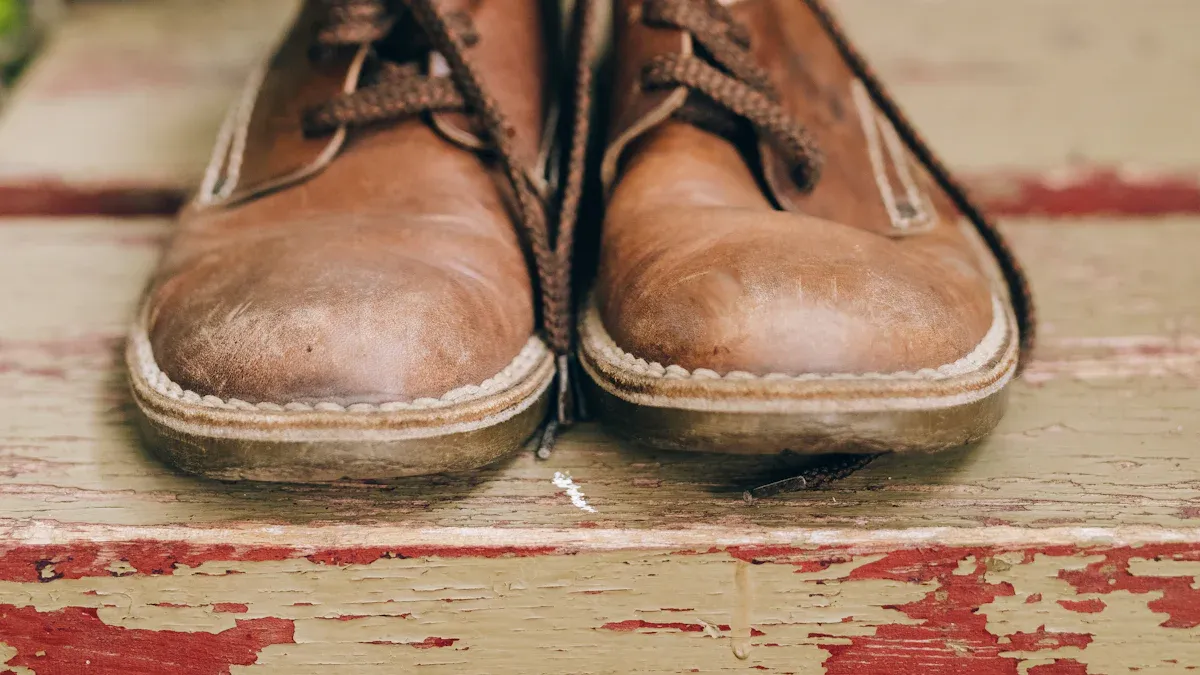
Vegetable-Tanned Leather
Tanning Process
Vegetable-tanned leather uses natural tannins from plants such as oak, chestnut, and hemlock. Artisans soak hides in large wooden drums filled with water and plant extracts. This process can take several weeks, allowing the leather to develop a rich patina and unique character. Unlike chrome tanning, vegetable tanning avoids heavy metals and toxic chemicals. The slower pace of vegetable tanning reflects a commitment to traditional craftsmanship and environmental responsibility.
Benefits
Vegetable-tanned leather offers several advantages for sustainable footwear:
- The process uses renewable plant materials instead of harmful chemicals.
- Water consumption remains lower compared to chrome tanning.
- The finished leather is biodegradable and ages beautifully over time.
- Workers experience safer conditions due to the absence of toxic substances.
This method is recognized as a more environmentally friendly option. Although vegetable tanning may require more time and higher costs, the result supports both ethical values and sustainable practices. Brands that choose vegetable-tanned leather demonstrate a clear commitment to reducing their environmental footprint.
Vegetable-tanned leather stands out as a responsible choice for those seeking sustainable and ethical shoes.
Recycled and Upcycled Leather
Sources
Manufacturers produce recycled and upcycled leather by collecting scraps from tanneries, factories, and post-consumer goods. They process these materials into new sheets or panels, which then become components for shoes. Some companies also recover leather from discarded furniture, car seats, and garments. This approach diverts waste from landfills and reduces the demand for virgin resources.
Advantages
Recycled and upcycled leather supports a circular economy. It extends the life cycle of existing materials and minimizes environmental impact. The process conserves energy and water, making it a sustainable alternative to traditional leather. Consumers who choose shoes made from recycled or upcycled leather help reduce waste and promote responsible consumption. These options often match the durability and comfort of conventional leather, providing a practical solution for ethical footwear.
Certified Leather
Leather Working Group
The Leather Working Group (LWG) sets global standards for environmental performance in the leather industry. LWG audits tanneries and certifies those that meet strict criteria for water usage, chemical management, and waste reduction. Brands that use LWG-certified leather demonstrate transparency and a commitment to sustainable sourcing. LWG certification helps consumers identify shoes made with lower-impact materials.
Traceability
Traceability ensures that every stage of leather production meets ethical and sustainable standards. Brands track the origin of hides, the tanning process, and the final product. This transparency allows consumers to make informed choices and supports accountability throughout the supply chain. Traceable leather often comes with documentation or digital tracking, giving buyers confidence in the ethical and sustainable qualities of their shoes.
Certified and traceable leather empowers consumers to support brands that prioritize environmental stewardship and ethical responsibility.
Eco-Friendly Fabric Alternatives

Organic Cotton
Farming Practices
Organic cotton stands out as one of the most eco-friendly materials in sustainable footwear. Farmers who grow organic cotton avoid synthetic pesticides and fertilizers. This approach protects both the environment and the health of agricultural workers. By relying on natural pest management, such as beneficial insects, organic cotton farms promote biodiversity. The absence of harmful chemicals ensures that the soil remains fertile and water sources stay clean. Organic cotton also supports low-waste lifestyles. Products like reusable cloth shoes and accessories reduce landfill contributions, unlike disposable alternatives that persist for centuries.
Durability
Shoes made from organic cotton offer impressive durability. The fibers retain their strength through repeated wear and washing. Many brands choose organic cotton for its ability to withstand daily use while maintaining comfort. Consumers often notice that organic cotton shoes feel softer and more breathable than those made from synthetic materials. This natural fiber provides better quality materials for footwear, ensuring long-lasting performance and satisfaction.
Hemp and Linen
Low-Impact Growth
Hemp and linen have gained recognition as sustainable and eco-friendly materials in shoe manufacturing. Hemp, in particular, requires minimal water and grows rapidly without synthetic inputs. Farmers cultivate hemp and linen using natural and non-toxic materials, which supports soil health and reduces pollution. These crops thrive in diverse climates and enrich the land, making them ideal for sustainable agriculture. Hemp fabric offers durability, biodegradability, and versatility. Its natural antimicrobial and UV-resistant properties further lower the environmental impact compared to conventional options. The rising demand for sustainable textiles has encouraged more brands to incorporate hemp and linen into their collections.
Comfort
Hemp and linen shoes deliver exceptional comfort. The natural fibers allow air to circulate, keeping feet cool and dry. Many wearers appreciate the lightweight feel and breathability of these eco-friendly materials. Hemp and linen adapt to the shape of the foot, providing a personalized fit over time. Their comfort, combined with durability, makes them a preferred choice for those seeking sustainable footwear solutions.
Recycled Polyester
Plastic Waste Reduction
- Nike’s Air VaporMax 2020 shoes use recycled polyester yarn made from post-consumer plastic bottles.
- This process diverts plastic bottles from landfills, supporting low-waste initiatives.
- The shoes contain at least 50% recycled content by weight, reflecting Nike’s commitment to sustainable practices.
Recycled polyester transforms plastic waste into valuable resources for shoe manufacturing. Brands that use recycled polyester help reduce the environmental burden of plastic pollution. This material demonstrates how eco-friendly materials can support a circular economy and minimize resource extraction.
Performance
Recycled polyester offers reliable performance in sustainable footwear. The material resists stretching and shrinking, maintaining its shape through repeated use. Many brands select recycled polyester for its quick-drying properties and lightweight feel. Shoes made from recycled polyester combine durability with comfort, meeting the needs of active lifestyles. The use of eco-friendly materials like recycled polyester highlights the industry’s shift toward sustainable and responsible production.
Choosing shoes made from organic cotton, hemp, linen, or recycled polyester supports a sustainable future. These eco-friendly materials offer natural benefits, durability, and comfort, making them essential for ethical footwear.
TENCEL, Cork, and Plant-Based Leathers
Renewable Sources
TENCEL, cork, and plant-based leathers have emerged as leading materials in sustainable footwear. Each material originates from renewable resources, setting them apart from conventional synthetics.
TENCEL comes from wood pulp, primarily sourced from sustainably managed forests. Manufacturers use a closed-loop process that recycles water and solvents, minimizing environmental impact. This approach ensures that TENCEL production does not deplete natural resources or contribute to deforestation. The result is a soft, strong fiber that supports both comfort and sustainability.
Cork offers another renewable solution. Harvesters collect cork from the bark of cork oak trees without cutting down the tree. The bark regenerates, allowing repeated harvests every nine years. This process supports healthy forests and encourages biodiversity. Cork production also locks carbon in the material, helping to offset greenhouse gas emissions.
Plant-based leathers, such as those made from pineapple leaves, apple skins, or mushrooms, utilize agricultural byproducts. These materials transform waste into valuable resources for shoe manufacturing. By relying on rapidly renewable crops, plant-based leathers reduce dependence on fossil fuels and animal agriculture. The use of these innovative materials demonstrates a commitment to circular design and resource efficiency.
Sustainable footwear brands increasingly choose TENCEL, cork, and plant-based leathers for their renewable origins and positive environmental impact.
Biodegradability
The end-of-life stage of footwear plays a crucial role in its overall sustainability. TENCEL, cork, and plant-based leathers excel in this area due to their natural biodegradability. Unlike synthetic alternatives, these materials break down in composting environments, returning nutrients to the soil.
The following table compares the biodegradability of these materials with synthetic options:
| Material | Biodegradable | Source |
|---|---|---|
| TENCEL | Yes | Sarthak Mistri |
| Cork | Yes | Circularity Hub |
| Plant-based leathers | Yes | N/A |
| Synthetic alternatives | No | N/A |
TENCEL fibers decompose naturally, leaving no harmful residues. Cork, as a natural material, also breaks down efficiently and enriches the soil. Plant-based leathers are generally designed to be biodegradable, offering a responsible alternative to plastics and petroleum-based synthetics. In contrast, synthetic materials persist in landfills for decades or centuries, contributing to pollution and resource depletion.
- TENCEL supports eco-friendly production and end-of-life disposal.
- Cork harvesting preserves forests and provides a regenerative material.
- Plant-based leathers close the loop by transforming waste into biodegradable products.
These features make TENCEL, cork, and plant-based leathers essential for brands and consumers who prioritize environmental responsibility. Choosing shoes made from these materials supports a more circular and sustainable footwear industry.

Recognizing Certifications and Labels
Choosing sustainable shoes requires more than just selecting eco-friendly materials. Certifications and labels help consumers identify brands that uphold fair trade, ethical commitments, and responsible production methods. These marks signal that a company values fair labor practices and environmentally safe working conditions. Understanding the most respected certifications empowers buyers to make informed decisions and support fair trade clothing.
Leather Working Group
The Leather Working Group (LWG) certification stands as a leading standard for sustainable leather. LWG operates as a member-led, not-for-profit organization. It focuses on improving sustainability throughout the leather supply chain. Brands that source 100% of their leather from LWG-certified suppliers demonstrate a strong commitment to fair trade and b corp values. LWG-certified facilities produce high-quality, sustainable leather while recycling resources and reducing landfill waste.
- LWG certification ensures transparency in sourcing.
- Facilities must meet strict environmental criteria.
- The group promotes fair trade and ethical commitments across the industry.
- LWG members prioritize b corp principles and responsible production methods.
Consumers who choose LWG-certified shoes support brands that value fair labor practices and environmentally safe working conditions.
GOTS and OEKO-TEX
GOTS (Global Organic Textile Standard) and OEKO-TEX certifications play a crucial role in verifying sustainable textiles for footwear. These certifications guarantee that materials meet strict environmental and social standards. The table below highlights how leading brands apply these certifications:
| Brand | Certification Type | Sustainable Practices |
|---|---|---|
| Kings of Indigo | GOTS | Uses organic and recycled cotton, avoids harmful chemicals from the REACH list. |
| NAE | OEKO-TEX® | Utilizes recycled PET, microfibres, and other innovative materials, ensuring lower environmental impact. |
GOTS certification covers the entire supply chain, from organic farming to finished product. It ensures fair trade, b corp standards, and prohibits hazardous chemicals. OEKO-TEX focuses on product safety, confirming that textiles are free from harmful substances. Both certifications support fair trade clothing and conscious and chic choices for consumers.
What to Look For
Identifying trustworthy certifications and labels requires attention to several factors. Shoppers should look for a retailer’s articulated sustainability mission and transparency in the supply chain. Independent accreditations, such as LWG, GOTS, and OEKO-TEX, signal a brand’s dedication to b corp values and fair trade. Verification of fair labor practices and product durability also matters. Many consumers now consider vegan materials and mindful delivery practices as part of their decision-making process.
- Seek brands with clear ethical commitments.
- Confirm b corp certification or similar independent recognition.
- Evaluate the use of fair trade materials and responsible production methods.
- Assess whether the company supports environmentally safe working conditions.
Certifications and labels serve as a roadmap for consumers who want to support fair trade, b corp, and ethical footwear. By understanding these standards, buyers can confidently choose shoes that align with their values and promote a more sustainable future.

Brands and Innovations in Ethical and Sustainable Shoes
Leading Brands
Sustainable shoe brands have transformed the footwear industry by prioritizing ethical sourcing, innovative materials, and transparent supply chains. Nisolo leads with its commitment to fair wages and traceable leather. Upcycleluxe curates collections from brands that use recycled and upcycled materials, supporting a circular economy. Will’s Vegan Shoes stands out for its use of plant-based leathers and carbon-neutral operations. E’serdiv AppleSkin specializes in shoes crafted from apple leather, offering a scalable alternative to animal-based products. Marcella focuses on minimalist designs and responsible manufacturing, appealing to consumers who value both style and sustainability.
These sustainable shoe brands set high standards for environmental stewardship. They invest in certifications, such as Leather Working Group and GOTS, to ensure their products meet rigorous criteria. Many brands also emphasize durability and repairability, which extends the life of each pair and reduces waste.
Consumers who choose sustainable shoe brands support innovation and ethical practices in every step.
Plant-Based and Vegan Innovations
The rise of plant-based and vegan materials marks a significant trend among sustainable shoe brands. Designers now use agricultural by-products and food industry waste to create high-performance alternatives to traditional leather. The table below highlights key plant-based materials and their features:
| Material Type | Source | Key Features |
|---|---|---|
| Cactus Leather | Desserto | Sustainable, derived from agricultural by-products. |
| Apple Leather | Food industry waste | Scalable, commercially viable option with consistent finish. |
| Grape-based Leather | Agricultural by-products | Offers compelling sustainability narratives. |
| Plant Leather | Upcycled fruit and vegetable waste | Regenerative and circular, utilizing polymers from waste materials. |
Sustainable shoe brands like Nanushka and GANNI focus on refined plant-based leathers, pushing the boundaries of both aesthetics and performance. High-quality microfibers engineered for durability now complement these innovations. The definition of vegan leather continues to expand, with some materials incorporating synthetic binders for added strength. These advancements allow sustainable shoe brands to offer products that meet consumer expectations for style, function, and environmental responsibility.
Comfort and Ergonomic Design
Comfort remains a top priority for sustainable shoe brands. Dr. Jason Snibbe’s research highlights that ergonomic design can double the lifespan of footwear by reducing fatigue and encouraging longer wear. Shoes with advanced outsoles and supportive structures help users stay comfortable throughout the day. The FLUX S3S LOW TLS shoe, for example, features a recycled mesh lining and a lightweight nanocarbon toecap. These elements enhance comfort and safety while utilizing recycled materials.
Sustainable shoe brands recognize that comfort and durability go hand in hand. Ergonomic features reduce the need for frequent replacements, which lowers overall environmental impact. Lightweight construction also decreases energy consumption during production and transportation. By focusing on comfort, sustainable shoe brands ensure that ethical choices do not compromise user experience.
Sustainable shoe brands prove that innovation, comfort, and responsibility can coexist in modern footwear.
Smart Shopping for Eco-Friendly Shoes
Durability and Repairability
Durability plays a crucial role in sustainable footwear. Shoes that last longer reduce the need for frequent replacements, which lowers overall waste. Many brands now design shoes with reinforced stitching, high-quality soles, and abrasion-resistant fabrics. Consumers should examine construction details and material choices before making a purchase. Repairability also matters. Some companies offer replacement insoles, laces, or even resoling services. These features extend the life of shoes and support responsible consumption.
A table below highlights key durability and repairability features:
| Feature | Benefit |
|---|---|
| Reinforced stitching | Prevents early wear |
| Replaceable insoles | Extends comfort and lifespan |
| Resoleable outsoles | Reduces waste |
| High-quality materials | Maintains shape and function |
Smart shopping for sustainable shoes involves evaluating both durability and repair options. Buyers who prioritize these aspects help minimize environmental impact.
End-of-Life Options
End-of-life solutions for footwear have become increasingly important. Many shoes end up in landfills because their mixed materials make recycling difficult. Brands now focus on designing shoes that can be recycled or composted. Shoes made with biodegradable polymers break down in compost piles within months. This process returns nutrients to the soil and avoids landfill accumulation.
- Shoes with compostable materials decompose quickly in the right environment.
- Better product design enables easier recycling, separating components for reuse.
- Innovative recycling systems help mana