


Pigskin leather refers to a material crafted from the hide of pigs, known for its soft texture, impressive breathability, and durable build. Pigskin offers a unique combination of comfort and flexibility, making it an ideal choice for individuals who demand both resilience and ease of use. Pigskin resists abrasion and maintains its softness, even with frequent handling. Many choose pigskin for gloves, outerwear, and everyday accessories due to its reliable performance.
Those interested in high-quality leather goods often recognize pigskin as a practical option for daily use.
Key Takeaways
- Pigskin leather is soft, breathable, and durable, making it perfect for gloves and everyday accessories.
- The unique porous texture of pigskin allows for excellent ventilation, keeping items comfortable during use.
- Pigskin leather dries quickly and maintains its flexibility, even after getting wet, making it ideal for outdoor work.
- Proper care, like regular dusting and conditioning, helps keep pigskin leather looking great and lasting longer.
- Pigskin leather is eco-friendly, often made from by-products of the meat industry, reducing waste.
What Is Pigskin Leather?


Definition & Origin
Pigskin leather stands out as a versatile material derived from the hide of domestic pigs. Many people ask, what is pigskin leather? This material has a long history in the leather industry. Artisans have valued pigskin for centuries due to its unique combination of softness, durability, and breathability. Pigskin leather often features a distinct porous texture, which results from the natural structure of pig skin. These pores give the leather its signature look and contribute to its excellent ventilation.
Pigskin leather originated in regions where pig farming thrived. Farmers and craftsmen recognized the potential of pig skin leather for creating goods that required both strength and flexibility. Over time, pigskin became a staple in the production of gloves, workwear, and accessories. Today, manufacturers around the world continue to rely on pigskin leather for its reliable performance and comfort.
Note: The natural grain and pore pattern of pigskin leather make each piece unique. No two items look exactly the same, which adds to the appeal for many consumers.
How It’s Made
The process of transforming pig skin leather into finished products involves several precise steps. First, tanners collect raw pigskin from abattoirs or meat processing facilities. They then clean and soak the hides to remove any dirt, hair, or residual fats. This preparation ensures a clean surface for further treatment.
Next, tanners apply a process called liming. Liming softens the pigskin and helps remove any remaining hair or tissue. After liming, the hides undergo fleshing, which removes excess flesh and fat. The cleaned pig skin leather then moves to the tanning stage. Tanners often use chrome tanning for pigskin leather, as it produces a supple, water-resistant material. Some manufacturers may choose vegetable tanning for a more natural finish.
Once tanned, the pigskin is dyed and conditioned. This step enhances the color and feel of the leather. Craftsmen may emboss or finish the surface to achieve a specific texture or sheen. Finally, the pigskin leather is cut and shaped into products such as gloves, jackets, or upholstery.
- Key Steps in Pigskin Leather Production:
- Collection and cleaning of raw pigskin
- Liming and fleshing to prepare the hide
- Tanning (chrome or vegetable)
- Dyeing and conditioning
- Finishing and cutting for final use
Pigskin leather production emphasizes efficiency and sustainability. Many tanneries use by-products from the meat industry, reducing waste and maximizing resources. The result is a high-quality material that meets the demands of modern consumers.

Pigskin Leather Features
Texture & Feel
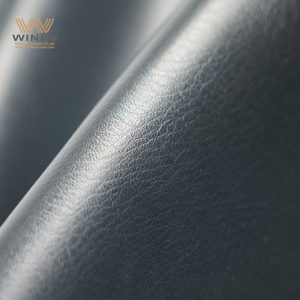
Pigskin leather offers a unique tactile experience. The surface feels soft and supple, which many users find comfortable against the skin. Pigskin contains a natural porous texture, created by the visible hair follicles on the hide. These pores give pigskin leather a distinct appearance and contribute to its breathability. The grain of pigskin leather feels slightly bumpy, yet remains smooth enough for daily use. Many glove makers prefer pigskin for its flexibility and gentle touch.
Pigskin leather stands out for its ability to maintain softness over time. Even after repeated use, the material resists stiffening. This feature makes pigskin a popular choice for products that require frequent handling, such as gloves and accessories. The natural elasticity of pigskin allows it to conform to the shape of the hand or body, providing a custom fit.
Note: The porous texture of pigskin leather not only enhances comfort but also adds visual interest to finished products.
Durability & Breathability
Pigskin leather demonstrates impressive durability. The dense fiber structure of pigskin provides resistance to abrasion, making it suitable for workwear and outdoor gear. Many users choose pigskin leather for gloves because it withstands rough conditions without tearing or wearing thin. Pigskin also resists hardening when exposed to moisture. Unlike some other leathers, pigskin leather dries quickly and retains its flexibility after getting wet.
Breathability remains one of the most valued features of pigskin leather. The natural pores allow air to circulate, which helps keep hands and skin cool during use. This ventilation reduces sweat buildup and increases comfort, especially in warm environments. Pigskin leather’s breathability makes it ideal for items worn close to the skin, such as jackets, gloves, and shoes.
- Key Benefits of Pigskin Leather:
- Maintains softness and flexibility
- Resists abrasion and tearing
- Dries quickly and stays supple after exposure to water
- Allows air circulation for enhanced comfort
Pigskin vs. Other Leathers
Pigskin leather differs from other common leathers in several important ways. The following table highlights key comparisons between pigskin leather, cowhide, and goatskin:
| Feature | Pigskin Leather | Cowhide | Goatskin |
|---|---|---|---|
| Texture | Porous, soft, supple | Smooth, firm | Fine grain, soft |
| Breathability | Excellent | Moderate | Good |
| Abrasion Resistance | High | Very high | Moderate |
| Water Resistance | Dries quickly, stays soft | Can stiffen when wet | Stays soft, less porous |
| Weight | Lightweight | Heavier | Lightweight |
Pigskin leather offers superior breathability compared to cowhide. The porous structure of pigskin allows more airflow, which benefits users who need comfort during extended wear. Cowhide provides greater thickness and toughness, but it often feels heavier and less flexible. Goatskin shares some softness with pigskin, but lacks the same level of ventilation.
Pigskin leather also stands out for its resistance to hardening after exposure to water. Many work gloves made from pigskin remain flexible even after repeated wetting and drying cycles. This feature gives pigskin an advantage in outdoor and work environments where moisture is common.
Tip: When choosing between pigskin leather and other types, consider the intended use. Pigskin works best for products that require breathability, softness, and flexibility.
Pigskin leather continues to gain popularity for its unique combination of comfort, durability, and practicality. Manufacturers and consumers alike recognize the value of pigskin in a wide range of everyday products.
Pigskin Leather Uses

Gloves & Workwear
Pigskin leather stands out in the workwear industry. Manufacturers rely on pigskin for gloves that must endure tough conditions. Workers in construction, farming, and mechanics often select pigskin leather products for their resistance to abrasion and flexibility. Pigskin dries quickly after exposure to moisture, which makes it ideal for outdoor tasks. Specialty items such as Pigskin Driver Gloves Standard Grain and Leather Palm Gloves Premium Grade offer reliable protection and comfort. These pigskin leather products maintain softness even after repeated use, ensuring a secure grip and lasting durability.
Fashion & Accessories
Designers appreciate pigskin leather for its soft texture and breathability. Many fashion brands use pigskin to craft jackets, handbags, wallets, and belts. Pigskin leather products provide a lightweight feel and a unique grain pattern, making each accessory distinct. Shoe makers often choose pigskin as a fantastic shoe leather, especially for those seeking a custom pair of shoes with superior comfort. The porous nature of pigskin allows air to circulate, which keeps accessories cool and comfortable during daily wear.
| Feature | Description |
|---|---|
| Product Name | American Assassin Tip |
| Material | Premium Pigskin Leather |
| Design | Multi-color layer for spin, precision, and control |
| Size | 14mm standard size |
| Warranty | Lifetime Warranty |
| Suitable For | All Cues |
This table highlights one of the most popular pigskin leather accessories sold globally. The American Assassin Tip demonstrates the versatility of pigskin in high-performance products.
Sports & Collectibles
Pigskin leather holds a special place in sports culture. Footballs made from pigskin have become iconic symbols in American sports. The material’s durability and grip make it ideal for game play. Collectors value pigskin leather products such as vintage footballs and baseball gloves for their historical significance and lasting quality. Pigskin also appears in riding gear and saddles, where strength and flexibility are essential.
Furniture & Specialty
Furniture makers use pigskin leather for upholstery that combines comfort and resilience. Pigskin adds a luxurious touch to chairs, sofas, and ottomans. Specialty products often feature pigskin for its unique texture and lasting performance. Common items include:
- Pigskin Driver Gloves Standard Grain
- Leather Palm Gloves Premium Grade
- Leather Palm Gloves Standard Grade
Pigskin leather products in this category offer both style and practicality. The material’s breathability and resistance to wear make it a preferred choice for high-use furniture and specialty gear.
Pigskin leather continues to shape industries from fashion to sports. Its versatility and reliability ensure that pigskin remains a top choice for manufacturers and consumers seeking quality and comfort.

Care for Pigskin Leather
Cleaning Tips
Proper cleaning pigskin leather ensures long-lasting quality. Owners should always remove surface dirt with a soft, dry cloth. For deeper cleaning, a damp cloth with mild soap works best. Avoid soaking pigskin, as excess water can damage the fibers. After wiping, allow the item to air dry away from direct sunlight or heat sources. For stubborn stains, a specialized leather cleaner designed for pigskin leather provides safe results. Test any cleaner on a small, hidden area first.
Tip: Regular dusting prevents buildup and keeps pigskin leather looking fresh.
Storage & Maintenance
Storing pigskin leather correctly preserves its texture and appearance. Place items in a cool, dry area with good ventilation. Avoid plastic bags, which trap moisture and cause mildew. Instead, use breathable cotton covers or dust bags. When storing gloves or accessories, keep them flat or gently stuffed to maintain their shape. Conditioning pigskin every few months with a leather conditioner helps retain softness and flexibility. This routine prevents cracking and extends the life of pigskin products.
| Maintenance Task | Frequency | Purpose |
|---|---|---|
| Dusting | Weekly | Remove surface particles |
| Conditioning | Every 3 months | Maintain softness |
| Deep Cleaning | As needed | Remove stains and buildup |
Mistakes to Avoid
Many people wonder how to care for pigskin leather without causing harm. Avoid harsh chemicals, bleach, or abrasive brushes, as these can strip natural oils and damage the surface. Never expose pigskin to direct heat, which leads to drying and cracking. Do not store pigskin leather in damp or humid environments. Over-conditioning can also weaken the material. By following these guidelines, owners protect the unique qualities of pigskin and enjoy their items for years.
Note: Gentle care and proper storage keep pigskin leather beautiful and functional.
Pigskin leather delivers outstanding value for those seeking reliable materials. Pigskin offers softness, breathability, and resilience in daily products. Many industries trust pigskin for gloves, accessories, and furniture. Pigskin stands out for its ability to stay flexible and comfortable over time. Users appreciate pigskin for its quick-drying nature and unique texture. Pigskin adapts to many needs, making it a smart choice for anyone who values comfort, durability, and versatility in their leather goods.


FAQ
What makes pigskin leather different from cowhide?
Pigskin leather features a porous texture and lightweight feel. Cowhide offers greater thickness and toughness. Pigskin provides superior breathability and flexibility, making it ideal for gloves and accessories.
Can pigskin leather handle wet conditions?
Pigskin leather dries quickly and stays soft after exposure to moisture. Workers prefer pigskin for outdoor tasks because it resists hardening and maintains flexibility.
How should someone clean pigskin leather products?
Use a soft, dry cloth for regular cleaning. For deeper cleaning, apply a damp cloth with mild soap. Avoid soaking the leather. Always let items air dry away from direct heat.
Is pigskin leather suitable for furniture upholstery?
Furniture makers choose pigskin leather for its comfort and resilience. The material adds a unique texture and breathability to chairs, sofas, and specialty pieces.
Are pigskin leather products eco-friendly?
Many tanneries use pigskin as a by-product of the meat industry. This practice reduces waste and supports sustainable production. Pigskin leather offers an environmentally conscious choice for consumers.