


Mwen souvan chwazi pawa syèd mikrofibr when I want my lakay ou projects to look elegant and feel soft. This material adds a luxurious touch to ottomans, footstools, window treatments, and chair cushions. I appreciate how microfiber supports delicate fabrics and maintains structure. The easy maintenance appeals to me, especially for fashion projects. I find that even beginners can achieve professional results with just a few simple tools.
Kle Takeaways
- Microfiber suede lining adds elegance and comfort to home projects like ottomans and cushions. It mimics genuine suede while being easier to maintain.
- Choose the right type of microsuede based on your project. Lightweight is best for fashion items, while heavier options work well for upholstery.
- Use essential tools like sharp scissors and a staple gun for upholstery projects. Proper tools lead to cleaner cuts and better results.
- Netwayaj regilye ak depo apwopriye extend the life of microfiber suede. Use gentle cleaning methods to maintain its luxurious appearance.
- Avoid common mistakes by testing adhesives and ensuring sharp cutting tools. Attention to detail prevents errors and enhances project quality.
Microfiber Suede pawa Basics

Ki sa ki mikrofibr syèd pawa?
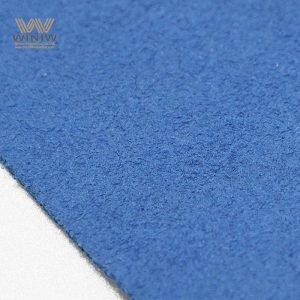
I often reach for microfiber suede lining when I want a material that combines elegance with practicality. Microfiber suede lining is a type of microfiber fabric designed to mimic the look and feel of genuine suede. The surface feels velvety and soft, which adds a touch of luxury to any project. I find that synthetic microsuede, made from tightly woven polyester or nylon fibers, offers impressive stability. This stability makes it perfect for lightweight upholstery, such as ottomans and chair cushions, and for fashion projects like bags and accessories. Faux syèd, another name for this material, provides the same aesthetic appeal as natural suede but with easier care and greater durability.
Key Properties of Synthetic Microsuede
When I select synthetic microsuede for my home projects, I look for several key properties that set it apart from other fabrics:
- Ultra-soft and comfortable texture that rivals real suede.
- Durable and tear-resistant structure, which ensures long-lasting results.
- Dlo ak rezistans tach, making cleaning simple and maintenance minimal.
- Respirant ak lejè, so it feels comfortable in both upholstery and fashion applications.
- Opsyon ekolojik-zanmi, with some microfiber suede lining made from high-grade microfiber PU to reduce environmental impact.
Recent innovations have made microsuede even more appealing. Manifakti yo kounye a itilize nanotechnology to boost durability ak rezistans tach. Automation and AI integration in production improve consistency and quality control. Sustainable material development focuses on biodegradable and recyclable synthetic microsuede, which aligns with my commitment to environmentally responsible crafting.
I choose microsuede because it combines style, konfò, ak pratik. The versatility of microfiber makes it ideal for both home décor and fashion projects. Whether I am lining a footstool or creating a custom handbag, I know that microsuede will deliver professional results every time.

Benefits of Microfiber Upholstery Fabric
Durability and Easy Care
I always look for materials that can withstand daily use. Microfiber upholstery fabric stands out for its impressive durability. I have seen how microfiber fabric resists wear and tear, even in busy households. The tightly woven fibers create a strong structure that holds up against friction and stretching. I rely on this fabric for projects that need to last, such as chair cushions and ottomans.
Konsèy: I recommend microfiber for homes with pets or children. The stain resistance and easy cleaning make maintenance simple.
I often refer to industry reports when choosing upholstery fabric. The following table highlights key attributes of microfiber fabric:
| Atribi | Deskripsyon |
|---|---|
| Durability | Microfiber fabric is noted for its enhanced durability, making it suitable for various applications. |
| Growth Projection | The industry is expected to grow at a CAGR nan 11.8%, indicating increasing demand for durable fabrics. |
| Aplikasyon | Used in home textiles, otomobil, and healthcare, showcasing its versatility and durability. |
I find that cleaning microfiber upholstery fabric requires minimal effort. I use a damp cloth to remove most stains. The water-resistant surface prevents spills from soaking in, which helps me keep my projects looking fresh.
Softness and Aesthetic Appeal
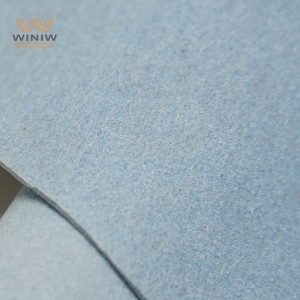
I choose microfiber for its luxurious feel. The soft texture adds comfort to any upholstery project. When I run my hand over microfiber, I notice the velvety surface. This tactile quality enhances the experience of using upholstered furniture.
Microfiber also offers a refined appearance. The fabric maintains vibrant colors and a smooth finish. I often select microfiber upholstery fabric for window treatments and accent pieces because it elevates the look of a room. The versatility of microfiber allows me to match it with different design styles, from modern to classic.
- Microfiber provides a plush, inviting surface.
- The fabric resists fading, so colors stay true over time.
- I can achieve a high-end look without the cost of genuine suede.
I trust microfiber upholstery fabric to deliver both durability and beauty in my home projects.
Choosing the Right Microsuede
Selection Criteria for Projects
When I start a new project, I always evaluate several factors before selecting microsuede. I consider the weight and thickness of the material. Lightweight microsuede works best for fashion items, such as bags or jackets. Heavier microsuede provides more support for upholstery projects. I check the backing of the fabric to ensure stability. Some microsuede comes with a woven or knit backing, which helps maintain shape and prevents stretching.
I also look at color and texture. Microsuede offers a wide range of shades, from neutral tones to vibrant colors. I choose a texture that matches the intended use. Smooth microsuede feels soft and luxurious, while embossed or patterned options add visual interest. I always test a small piece for stain resistance and ease of cleaning. This step helps me avoid problems later.
Konsèy: I recommend requesting swatches before making a final decision. Comparing samples side by side helps me find the perfect match for my project.
Matching Microsuede to Upholstery and Fashion
I match microsuede to the specific needs of each project. For upholstery, I select microsuede with a thicker pile and strong backing. This type of microsuede holds up well to daily use and maintains its appearance over time. I use microfiber fabric for chair cushions and ottomans because it resists stains and cleans easily.
For fashion projects, I prefer microsuede with a lighter weight and flexible feel. I look for options that drape well and offer comfort. Microsuede works beautifully for handbags, soulye, ak Pwodwi pou Telefòn. I coordinate colors with other materials to create a cohesive look.
The following table summarizes my matching process:
| Project Type | Recommended Microsuede Features | Nòt |
|---|---|---|
| Tapisri | Epè, strong backing, tach ki reziste | Best for high-traffic areas |
| Fashion | Lejè, fleksib, koulè vibran | Ideal for accessories |
I rely on microsuede for its versatility and performance. By choosing the right type, I achieve professional results in both home décor and fashion projects.
Tools and Materials for Microfiber Projects

Essential Tools for Upholstery
I always prepare my workspace before starting any upholstery project. I find that having the right tools makes the process smoother and helps me achieve professional results. Here is a list of essential tools I use when working with microfiber suede lining for upholstery:
- Sharp fabric scissors: I use these to cut clean edges without fraying.
- Measuring tape: Accurate measurements ensure that the fabric fits perfectly.
- Staple gun: I rely on this tool to secure the lining to frames and cushions.
- Upholstery needles: These needles help me sew through thick layers with ease.
- Seam ripper: Mistakes happen, and this tool lets me fix them quickly.
- Rubber mallet: I use it to tap tacks or nails without damaging the fabric.
Konsèy: I always test my staple gun on a scrap piece of microfiber before starting. This step helps me adjust the pressure and avoid tearing the fabric.
I keep my tools organized in a toolbox. This habit saves time and reduces frustration during each project.
Supplies for Fashion Applications
When I create fashion items with microfiber suede lining, I select supplies that suit the material and the design. I use the following table to organize my essential supplies:
| Supply | Objektif |
|---|---|
| Fabric glue | Bonds layers without visible stitching |
| Rotary cutter | Cuts precise shapes for patterns |
| Pins and clips | Hold pieces together during assembly |
| Lightweight interfacing | Adds structure to bags and accessories |
| Sewing machine | Speeds up construction and ensures durability |
| Chalk or fabric marker | Marks cutting lines and stitch guides |
I choose each supply based on the specific fashion project. For handbags, I use interfacing to add body. For clothing, I prefer fabric glue for smooth seams. I always keep extra pins and clips on hand to secure pieces while I work.
Remak: I recommend testing fabric glue on a small area first. Some adhesives may affect the texture of microfiber.
I believe that investing in quality tools and supplies leads to better results and a more enjoyable crafting experience.


Upholstery Project Steps with Microfiber
Measuring and Cutting Microfiber
I always begin my upholstery projects by measuring the furniture piece with precision. I use a flexible measuring tape to capture the length, lajè, and depth of every surface that will receive microsuede. I record these measurements in a notebook, then add an extra inch to each side for seam allowance and tucking. This step prevents gaps and ensures a snug fit.
I lay out the microfiber suede lining on a large, clean table. I smooth the fabric to remove wrinkles. I mark the measurements using tailor’s chalk or a fabric marker. I prefer chalk because it brushes off easily and does not stain the microsuede.
Cutting microsuede requires sharp scissors or a rotary cutter. I use long, steady strokes to avoid jagged edges. I always cut with the grain of the fabric to maintain its structure. I check each piece after cutting to confirm accuracy. If I notice any fraying, I trim the edges with precision.
Konsèy: I recommend testing your scissors on a scrap of microsuede before starting. Dull blades can cause uneven cuts and damage the fabric.
I organize the cut pieces by labeling them with masking tape. This system helps me keep track of each section, especially when working on multi-part upholstery projects.
Attaching and Finishing Microsuede
I attach microsuede to furniture using a staple gun or upholstery adhesive. I start by positioning the fabric over the surface, making sure the nap runs in the same direction for a consistent look. I pull the microsuede taut, then secure one edge with staples. I work my way around the piece, smoothing and stretching the fabric as I go. I space the staples about two inches apart for even tension.
For corners and curves, I make small relief cuts in the microsuede. These cuts allow the fabric to bend without puckering. I fold the excess under and staple it in place. I use upholstery needles and heavy-duty thread to hand-sew any areas that require extra reinforcement, such as seams or tufted sections.
I finish the project by inspecting the microsuede for wrinkles or loose edges. I use a rubber mallet to tap down any raised staples. I trim excess fabric with scissors, then tuck the edges neatly under the frame. I brush the surface with a soft cloth to restore the nap and enhance the luxurious feel.
| Etap | Tool/Material Used | Objektif |
|---|---|---|
| Positioning fabric | Microsuede, measuring tape | Ensures proper alignment |
| Securing edges | Staple gun, adhesive | Holds fabric in place |
| Shaping corners | Scissors, relief cuts | Prevents puckering |
| Reinforcing seams | Upholstery needle, thread | Ajoute durability |
| Final inspection | Rubber mallet, soft cloth | Perfects finish and texture |
Remak: I always check the finished upholstery under natural light. This step helps me spot any imperfections and guarantees a professional result.
I rely on microsuede for its stability and ease of handling. The process of measuring, koupe, attaching, and finishing microfiber suede lining transforms ordinary furniture into elegant, comfortable pieces. I find that careful attention to detail at each stage produces results that last and impress.
Fashion Project Steps with Microfiber Suede Lining
Integrating Lining into Clothing
I often choose microsuede when I want to add structure and luxury to garments. The process of integrating this material into clothing starts with careful planning. mwen select a lightweight microsuede for lining jackets, jip, or dresses. This choice ensures the garment feels comfortable against the skin and drapes naturally.
I begin by preparing my pattern pieces. I cut the microsuede lining to match the main fabric, allowing a small seam allowance. I always use sharp scissors or a rotary cutter to achieve clean edges. When I pin the lining to the garment, I use fine pins or fabric clips. This step prevents marks or snags on the delicate surface.
Sewing with microsuede requires attention to detail. I set my sewing machine to a longer stitch length. This adjustment prevents puckering and maintains the fabric’s smooth appearance. I use a new, fine needle to avoid skipped stitches. I often baste the lining in place before final stitching. This extra step helps me check the fit and alignment.
I attach the lining at the neckline, armholes, and hem. I press each seam with a low-heat iron and a pressing cloth. This method protects the microsuede from heat damage. I finish the garment by hand-stitching any open areas, such as the lining at the hem or sleeve cuffs. The result feels soft and looks professional.
Konsèy: I always test a scrap of microsuede with my iron before pressing the finished garment. This precaution prevents accidental scorching.
Mwen jwenn sa garments lined with microfiber suede lining hold their shape better and resist wrinkling. The lining adds a subtle touch of elegance, making even simple designs stand out.
Using Microfiber in Bags and Accessories
I rely on microsuede for crafting bags and accessories that need both durability and style. The material offers a soft, suede-like texture that elevates the look of any project. I select a medium-weight microsuede for tote bags, clutches, ak bous. This weight provides enough structure without adding bulk.
My process begins with choosing a pattern that suits the intended accessory. I cut the microsuede and any interfacing according to the pattern instructions. I use fabric glue or double-sided tape to hold layers together before stitching. This technique keeps the pieces aligned and reduces shifting during sewing.
When assembling bags, I reinforce stress points such as handles and corners. I use a box stitch or bar tack for added strength. I line the interior with a lighter microsuede or a coordinating fabric. This choice creates a polished finish and protects the contents of the bag.
For accessories like belts, watch straps, or hats, I cut the microsuede to precise measurements. I edge-stitch for a clean look and use specialty hardware, such as rivets or magnetic snaps, to complete the design. I always test closures and seams for durability before finishing the project.
The table below summarizes my approach to different accessories:
| Accessory Type | Microsuede Weight | Key Techniques | Finishing Touches |
|---|---|---|---|
| Tote Bags | Mwayen | Kouti ranfòse, interfacing | Topstitching, pawa |
| Clutches | Mwayen | Fabric glue, edge-stitching | Magnetic snaps, tassels |
| Wallets | Mwayen | Precision cutting, bar tacks | Card slots, zipper pulls |
| Belts/Straps | Light/Medium | Edge-stitching, hardware | Buckles, rivets |
Remak: I always keep scraps of microsuede for small projects like keychains or decorative patches. These pieces add a custom touch to larger items.
I have found that microsuede resists stains and cleans easily, making it ideal for everyday accessories. The material’s versatility allows me to experiment with shapes, koulè, and embellishments. Each finished piece feels unique and professional.
Lè w suiv etap sa yo, I consistently achieve high-quality results in my fashion projects. Microfiber suede lining brings comfort, structure, and a refined appearance to both clothing and accessories.


Care and Maintenance for Microfiber
Cleaning Synthetic Microsuede
I always prioritize regular cleaning to keep synthetic microsuede looking fresh and luxurious. This fabric is naturally stain resistant, but I know that accidents happen. I use gentle techniques to tackle different types of stains and maintain the integrity of the material.
When I encounter a tough stain, Mwen swiv etap sa yo:
- Pou oil and grease stains, I blot the area gently and use a mild degreaser.
- If I see ink or dye stains, I apply a small amount of rubbing alcohol or a mild alcohol-based cleaner right away.
- For water-based stains, I prefer a gentle soap bath and let the fabric sun dry.
- When dealing with pet stains, I reach for an enzymatic cleaner to break down odors and residue.
I also rely on simple household solutions for everyday cleaning. Here are my go-to mixtures:
- I mix one teaspoon of gentle dish soap with a cup of warm water for general cleaning.
- Pou tach fè tèt di, I create a paste with baking soda and water.
- I use a blend of equal parts white vinegar and water to refresh the surface.
- Rubbing alcohol on a cloth helps me dab away ink or dye stains quickly.
Konsèy: I always test any cleaner on a hidden area of microsuede before applying it to visible spots. This precaution helps me avoid discoloration or damage.
Konsèy Depo
Proper storage keeps microsuede in top condition between uses. I store synthetic microsuede in a cool, kote sèk lwen limyè solèy la dirèk. I avoid folding the fabric sharply, which can cause creases. Olye de sa, I roll larger pieces or hang them on padded hangers. I use breathable cotton bags for smaller items to prevent dust buildup.
I check stored items regularly for moisture or pests. If I notice any issues, I address them immediately to protect the fabric. I find that careful storage extends the life of my microsuede projects and preserves their soft texture.
Remak: I never store microsuede near heat sources or in damp basements. Consistent temperature and humidity help maintain the fabric’s appearance and durability.
Common Mistakes with Microfiber Suede
Application Errors
I have seen many DIY enthusiasts struggle with microsuede during their first projects. One common mistake involves using the wrong adhesive. Some glues can bleed through microsuede, leaving visible marks. I always test adhesives on a scrap before committing. Another error occurs when cutting the fabric. Dull scissors or rotary cutters can cause jagged edges and fraying. I make sure my tools stay sharp for clean cuts.
Incorrect tension during sewing leads to puckering. I adjust my machine settings and use a longer stitch length for microsuede. Overstretching the fabric while attaching it to furniture can distort the nap and create uneven surfaces. I avoid pulling too tightly and work slowly to maintain the luxurious texture.
Ignoring the direction of the nap is another mistake. If I attach pieces with the nap running in different directions, the finished project looks patchy. I always check the nap before cutting and assembling. Failing to address spills quickly can result in a permanent stain. I keep cleaning supplies nearby and treat any stain as soon as it appears.
Prevention Tips
I follow a checklist to prevent errors when working with microsuede. Mwen toujou:
- Test adhesives and cleaners on hidden areas.
- Use sharp cutting tools for precise edges.
- Set my sewing machine to a longer stitch length.
- Align the nap before assembling pieces.
- Avoid overstretching the fabric during installation.
- Treat any stain immediately with gentle cleaners.
Konsèy: I keep a small notebook to record my process and note what works best for each project. This habit helps me refine my technique and avoid repeating mistakes.
The table below summarizes my top prevention strategies:
| Erè | Prevention Method |
|---|---|
| Adhesive bleed-through | Test on scrap first |
| Jagged edges | Use sharp scissors or cutters |
| Puckering seams | Adjust stitch length |
| Nap misalignment | Check direction before assembly |
| Permanent stain | Clean spills right away |
Lè w suiv etap sa yo, I achieve professional results with microsuede and minimize the risk of errors. Careful attention to detail ensures that my projects remain beautiful and durable.
I follow a simple process when working with microfiber suede lining:
- Measure and cut with precision.
- Select the right tools and supplies.
- Attach and finish with care.
- Clean and store properly.
I trust microfiber suede lining for its durability, tendres, ak swen fasil. The material adds elegance to every project. I encourage you to start your own DIY journey and create beautiful, lasting results.


FAQ
How do I prevent microfiber suede from pilling?
I always use a lint roller or soft brush to remove surface debris. I avoid harsh scrubbing. I wash microfiber suede gently and air dry. This routine keeps the fabric smooth and prevents pilling.
Can I sew microfiber suede with a regular sewing machine?
I use a standard sewing machine with a fine needle and longer stitch length. I test on a scrap first. I find that microfiber suede sews easily when I adjust the tension and use sharp tools.
What is the best way to clean spills on microfiber suede?
I blot spills immediately with a clean cloth. I use a mild soap solution for most stains. I avoid soaking the fabric. Quick action helps me maintain the suede’s appearance and prevents permanent marks.
Is microfiber suede suitable for outdoor projects?
I prefer microfiber suede for indoor use. The material resists stains and moisture, but prolonged exposure to sunlight and rain can cause fading. I recommend using it for indoor upholstery and fashion items.
Can I iron microfiber suede?
I use a low-heat iron with a pressin