
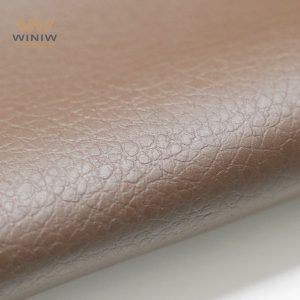

When I choose between natural and synthetic nubuck elu ihe, I focus on what matters most for my needs. Natural nubuck feels luxurious and offers a rich texture, ideal for those who want a premium shoe experience. Synthetic options give me affordability and easier maintenance. I always consider these factors when picking upper materials:
- Comfort for daily wear
- Style that matches current trends
- Durability for lasting value
- Maintenance and care commitment
- Eco-conscious choices for sustainability
Ụzọ ụzọ isi
- Natural nubuck offers a luxurious feel and breathability, making it ideal for comfort during long wear.
- Synthetic nubuck provides affordability na mmezi dị mfe, perfect for everyday use.
- Natural nubuck develops a unique patina over time, adding character and depth to your shoes.
- Synthetic nubuck resists stains and water, making it a practical choice for busy lifestyles.
- Consider your lifestyle needs when choosing between natural and synthetic nubuck for footwear.
- Natural nubuck requires regular care to maintain its appearance, while synthetic nubuck is easier to clean.
- Both materials have eco-conscious options, but natural nubuck is generally more biodegradable.
- Evaluate the cost versus longevity; natural nubuck may be a better investment for long-term use.
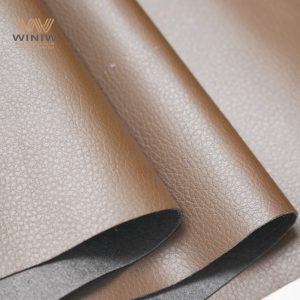

Nubuck Upper Material Basics
Kedu ihe bụ Nubuck?
When I look at nubuck elu ihe, I see a unique type of leather that stands out for its velvety texture. Akpụkpọ anụ Nubuck na-abịa site na oyi akwa oyi akwa. Manufacturers sand or buff this surface to create a soft, fine nap. This process gives nubuck its signature feel and appearance. I notice that nubuck is different from suede because it uses the top grain of the hide, making it stronger and more durable. Shoe uppers made from nubuck offer a luxurious look and a tactile experience that feels premium. I often find nubuck in high-end footwear, where comfort and style matter most.
Natural Nubuck Features
Natural nubuck has a distinct set of qualities that I appreciate. It starts with real leather, specifically the top layer of cowhide. The sanding process creates a soft, velvety surface that feels smooth to the touch. I notice that natural nubuck breathes well, which keeps my feet comfortable during long wear. The texture of genuine leather in nubuck shoe uppers develops a rich patina over time, adding character and depth. I value the way natural nubuck ages, showing subtle changes in color and texture. The tanning process for natural nubuck involves chemicals, which can impact the environment. Still, the result is a material that feels authentic and luxurious.
Ndụmọdụ: I always use a soft brush to clean natural nubuck. This helps maintain the nap and keeps the shoe uppers looking fresh.
Natural nubuck offers:
- Superior breathability compared to synthetic options
- A unique patina that enhances with age
- A premium feel that sets it apart from vegan leather and synthetic leather
- Durability that comes from using real leather
- A classic look that works well for luxury footwear
Synthetic Leather Nubuck Features
Synthetic leather nubuck gives me a practical alternative to natural materials. Manufacturers use advanced bio-technologies to create synthetic nubuck from renewable resources. This process reduces the environmental footprint compared to traditional nubuck leather. I find that synthetic shoe uppers mimic the look and feel of genuine leather, but they are easier to maintain. Synthetic leather resists stains and water better than real leather, making it ideal for everyday use.
Synthetic leather nubuck stands out for several reasons:
- It is engineered from renewable resources, which supports eco-friendly choices
- The production process uses fewer fossil fuels and creates less waste
- Synthetic shoe uppers offer consistent texture and color, unlike natural nubuck
- Vegan leather options provide a cruelty-free alternative to genuine leather
- Synthetic materials often cost less, making them accessible for budget buyers
I choose synthetic leather nubuck when I want easy care and reliable performance. The material holds up well against daily wear and keeps its appearance longer. Vegan leather and synthetic options give me flexibility without sacrificing style.


Isi ihe dị iche
When I compare natural nubuck and synthetic leather nubuck, I notice several key differences that help me decide which material fits my needs. I like to break down these differences into a few main categories: origin, udidi, ume iku ume, inogide, mmezi, ọnụ ahịa, and environmental impact.
Origin and Production
Natural nubuck comes from real cowhide. Manufacturers sand the top grain of the leather to create a soft, ụra velvety. This process gives natural nubuck its signature feel. Synthetic leather nubuck, n'akụkụ aka nke ọzọ, uses engineered materials. Factories often use polyurethane or other bio-based resources to mimic the look and feel of real leather. I find that synthetic options do not involve animal ngwaahịa, which appeals to people who want vegan or cruelty-free footwear.
Texture na Ọdịdị
When I touch natural nubuck, I feel a rich, dara oké ọnụ udidi. The nap feels soft and changes slightly with every brush of my hand. Oge n'aga, natural nubuck develops a patina, which adds character and uniqueness to each pair of shoes. Synthetic nubuck feels smooth and consistent. The color and texture stay the same, ọbụna mgbe ọnwa nke iyi. I notice that synthetic materials do not develop a patina, so they keep their original look longer.
Ume ume na nkasi obi
Natural nubuck allows air to flow through the material. My feet stay cooler and drier, especially during long days. Synthetic nubuck does not breathe as well. My feet can feel warmer and sometimes sweat more in synthetic shoes. For me, comfort often depends on how much I value breathability.
Durability and Maintenance
Natural nubuck resists wear and tear, but it needs regular care. I use special brushes and sprays to protect the nap and prevent stains. Water can damage natural nubuck, so I avoid wearing it in wet conditions. Synthetic nubuck stands up to water and stains much better. I clean it with a damp cloth, and it rarely needs special products. For busy days, I find synthetic nubuck much easier to maintain.
Cost and Environmental Impact
Natural nubuck usually costs more because it uses real leather and requires careful processing. Synthetic nubuck offers a more affordable option. I also consider the environmental impact. Natural nubuck involves animal farming and chemical tanning, which can affect the environment. Synthetic nubuck often uses renewable resources and produces less waste, but it may still involve plastics.
Ndụmọdụ: I always weigh these factors before choosing my next pair of shoes. Knowing the key differences helps me pick the right material for my lifestyle.
| Njirimara | Natural Nubuck | Synthetic Leather Nubuck |
|---|---|---|
| Mmalite | Real cowhide | Engineered materials |
| Texture | Dị nro, na-etolite patina | Dị nro, na-agbanwe agbanwe |
| Nku ume | Elu | Moderate to low |
| Nlekọta | Needs special care | Ọ dị mfe ihicha |
| Ọnụ | Nke ka elu | More affordable |
| gburugburu ebe obibi | Animal-based, kemikal | Anụ anaghị eri anụ, less waste |
Ịdị ogologo & Ogologo ndụ

Yiri Nguzogide
Natural Nubuck Durability
When I choose natural nubuck upper material for my shoes, I expect impressive durability. Real leather forms the base of natural nubuck, which means the shoe upper resists tearing and stretching better than suede. I have noticed that with consistent care, nubuck shoes can last between 5 ka 10 afọ or even longer. This long lifespan makes natural nubuck a smart investment for anyone who values quality. I always remember that untreated nubuck absorbs moisture, so I avoid wearing these shoes in heavy rain. Regular brushing and occasional waterproofing sprays help me maintain the durability of my shoe uppers. The robust nature of genuine leather in natural nubuck means my shoes hold up well during daily wear, especially when I take care of them.
- Nubuck shoes can last between 5 ka 10 years or longer with consistent care.
- Real leather resists stretching and tearing.
- Regular maintenance extends the life of shoe uppers.
Synthetic Nubuck Durability
Synthetic leather nubuck offers a different kind of durability. I find that synthetic materials resist water and stains much better than natural options. When I wear synthetic leather shoes, I do not worry as much about rain or spills. The engineered structure of synthetic leather keeps the upper looking new for a long time. Agbanyeghị, synthetic shoe uppers may not match the tensile strength of real leather. Oge n'aga, I sometimes see creasing or surface cracks, especially if I wear the shoes every day. Even so, synthetic leather nubuck stands up well to daily use and requires less maintenance. For me, this makes synthetic upper materials a practical choice for busy lifestyles.
Aging & Patina
I love how natural nubuck changes as it ages. The surface develops a udidi velvety that feels even softer over time. In areas where my shoes experience the most contact, I see the color darken. This subtle shift does not create a glossy patina like full-grain leather, but it adds character to my footwear. The aging process highlights the organic beauty of genuine leather, making each pair of shoe uppers unique. I appreciate this natural evolution, which tells the story of my daily adventures.
Synthetic leather nubuck does not develop the same kind of patina. The color and texture stay consistent, ọbụna mgbe ọnwa nke iyi. I notice that synthetic shoe uppers look almost the same as when I first bought them. This can be a benefit if I want my shoes to maintain a fresh appearance. Agbanyeghị, I sometimes miss the unique character that comes with the aging of real leather.
Real-World Use
Na ahụmahụ m, both natural and synthetic nubuck perform well in everyday situations. I rely on natural nubuck for its strength and comfort. The tensile strength of real leather in nubuck ranges from 15 ka 25 MPa, which is stronger than suede. My natural nubuck shoes resist tearing and stretching, making them suitable for daily commuting or casual outings. I use them for footwear, akpa aka, and jackets because of their versatility.
Synthetic leather nubuck excels in environments where water and stains are common. I choose synthetic shoe uppers for rainy days or when I expect to walk through messy areas. The easy cleaning process and resistance to moisture make synthetic upper materials ideal for everyday use. Agbanyeghị, I know that synthetic options may not offer the same breathability or long-term durability as genuine leather.
Here is a quick comparison of real-world performance:
| Njirimara | Akpụkpọ anụ Nubuck | Synthetic Nubuck |
|---|---|---|
| Tensile Strength | 15-25 MPa (stronger than suede) | Ala, may crease or crack |
| Ịdị ogologo | Resists tearing and stretching | Ọ dị mma, but less robust |
| Mmiri Nguzogide | Na-agafeghị oke; untreated absorbs moisture | Elu; resists water and stains |
| Ejikarị | Akpụkpọ ụkwụ, akpa aka, jaketị, wdg. | Akpụkpọ ụkwụ, akpụkpọ ụkwụ nkịtị |
When I compare durability and ageing, I see that natural nubuck offers a unique blend of strength and evolving beauty. Synthetic leather nubuck provides convenience and consistent appearance. My choice depends on whether I value the character of genuine leather or the practicality of synthetic materials.
Ọdịdị & Texture


Visual Appeal
When I compare the appearance and texture of natural nubuck and synthetic nubuck, I notice clear differences. Natural nubuck displays a rich, velvety look that catches the light in unique ways. The nap changes slightly with each touch, giving the shoe a dynamic visual quality. Synthetic nubuck offers a more uniform appearance. The color and surface remain consistent, ọbụna mgbe ọnwa nke iyi. I often see that natural nubuck darkens when exposed to water, then returns to its original shade after drying. Synthetic nubuck does not absorb water in the same way, so its appearance stays unchanged.
I find it helpful to look at the main visual characteristics side by side:
| Njirimara | Natural Nubuck | Synthetic Nubuck |
|---|---|---|
| Fiber Structure | Irregular leather fibers | Uniform plastic filaments |
| Water Absorption | Darkens with water, returns to normal | Fails water absorption tests |
| Edge Examination | Fibrous cross-section | Glassy, layered cut |
| Smell | Faint organic musk | Neutral or chemical odor |
| Ọnụ | 3×–4× the price of synthetic alternatives | Lower price |
I always appreciate the organic look of natural nubuck. The subtle changes in color and nap make each pair of shoes unique. Synthetic nubuck appeals to me when I want a clean, consistent appearance that lasts.
Tactile Feel
Touching natural nubuck gives me a soft, almost buttery sensation. The nap feels plush and responds to gentle brushing. I notice that the texture changes slightly over time, becoming smoother in areas that see more use. Synthetic nubuck feels smooth but lacks the depth I experience with genuine leather. The surface remains the same, even after repeated wear. I sometimes miss the warmth and character that natural nubuck provides.
Rịba ama: I always run my fingers along the edge of the shoe upper. Natural nubuck feels fibrous and organic, while synthetic nubuck feels slick and glassy.
The tactile experience plays a big role in my choice. If I want a shoe that feels luxurious every time I wear it, I choose natural nubuck. For a practical option with a consistent feel, synthetic nubuck works well.
Style Versatility
I find that both materials offer style versatility, but in different ways. Natural nubuck pairs well with classic and luxury designs. The evolving appearance and texture add depth to dress shoes, akpụkpọ ụkwụ, and handbags. I often see designers use natural nubuck for high-end collections because of its premium look. Synthetic nubuck fits modern, ụdị nkịtị. The consistent appearance makes it ideal for sneakers, everyday shoes, and accessories that need to look fresh.
- Natural nubuck suits luxury and heritage styles.
- Synthetic nubuck matches sporty and casual trends.
- Both materials adapt to different colors and finishes.
I always consider the occasion and my personal style before choosing. The appearance and texture of the upper material help me express my personality, whether I want something timeless or something trendy.
Nkasi obi & Nku ume
Daily Comfort
When I wear shoes with natural nubuck uppers, I notice a soft and flexible feel right away. The leather adapts to the shape of my foot, which gives me a comfortable fit throughout the day. I never feel restricted or stiff, even after hours of walking. Natural nubuck feels gentle against my skin, and I rarely experience rubbing or discomfort. The material cushions my foot, making each step feel smooth.
Synthetic nubuck also provides comfort, but the experience feels different. The engineered material often feels lighter, which helps when I walk long distances. I find that synthetic uppers sometimes lack the plushness of real leather. The fit stays consistent, but the surface can feel less forgiving. I appreciate the softness, but I notice that synthetic nubuck does not mold to my foot as naturally as genuine leather.
Ndụmọdụ: I always try on shoes with both materials before buying. This helps me decide which comfort level suits my needs best.
Nku ume
Breathability matters nyem, especially during warm days. Natural nubuck allows air to move through the leather fibers. My feet stay cooler and drier, even when I wear shoes for hours. I rarely notice sweat buildup, and my shoes do not develop odors quickly. The open structure of natural nubuck supports airflow, which keeps my feet feeling fresh.
Synthetic nubuck offers less breathability. The engineered fibers block airflow, which can trap heat inside the shoe. My feet sometimes feel warmer, and I notice moisture buildup after long wear. Some synthetic options include perforations or mesh panels to improve ventilation, but they rarely match the breathability of natural nubuck.
Nke a bụ ntụnyere ngwa ngwa:
| Njirimara | Natural Nubuck | Synthetic Nubuck |
|---|---|---|
| Ofufe ikuku | Elu | Moderate to Low |
| Njikwa mmiri mmiri | Magburu onwe | Ọmarịcha |
| Odor Resistance | Strong | Na-agafeghị oke |
Fit Over Time
I pay close attention to how shoes fit after weeks or months of use. Natural nubuck stretches slightly and adapts to my foot shape. The leather softens, which improves comfort and creates a custom fit. I enjoy the way natural nubuck feels more personal with each wear. The material rarely loses its shape, and the fit remains supportive.
Synthetic nubuck maintains its original shape longer. The material resists stretching, so the fit stays consistent. I find this helpful if I want a shoe that does not change over time. Agbanyeghị, synthetic uppers can feel rigid, and they may not adjust to my foot as well as natural leather. The comfort level stays the same, but I miss the personalized fit that natural nubuck provides.
Rịba ama: I always consider how much flexibility I want in my shoes. Natural nubuck offers a custom fit, while synthetic nubuck delivers reliable consistency.
Nlekọta & Nlekọta
Cleaning Nubuck Upper Material
I always pay close attention to how I clean my nubuck shoes. Natural nubuck needs gentle care to keep its texture and appearance. I follow these steps to clean my natural nubuck uppers:
- I blot the surface with a damp cloth to remove loose dirt.
- I use a soft-bristled nubuck brush in a circular motion to lift deeper dirt from the nap.
- Maka ntụpọ siri ike, I apply a nubuck cleaner or eraser, making sure to follow the instructions carefully.
- Mgbe ihichachara, I let the shoes rest for 24 hours and then brush the surface again to revive the nap.
Synthetic leather nubuck makes cleaning much easier for me. I usually wipe the surface with a damp cloth, and most stains come off quickly. I do not need special brushes or cleaners for synthetic materials. This simple routine saves me time and effort, especially when I wear my shoes every day.
Ndụmọdụ: I always test any cleaner on a small, Ebe zoro ezo buru ụzọ. This helps me avoid unwanted changes in color or texture.
Unyi & Mmiri Nguzogide
Natural nubuck absorbs water and stains if I do not protect it. I use products like Nikwax Nubuck & Suede Proof to add a layer of water repellency. This treatment keeps my shoes dry and comfortable while maintaining the breathability and texture of the leather. I find the application process easy, and the results last for several weeks. I also like Armstrong’s All Natural Suedeproof, which uses eco-friendly ingredients to shield my nubuck from water and stains. This product does not contain synthetic silicones or petroleum, so I feel good about using it on my shoes.
Synthetic leather nubuck already resists water and stains better than natural options. I rarely need to apply extra treatments. The engineered surface blocks most spills and dirt, so I can wear my synthetic shoes in wet or messy conditions without worry. If I want extra protection, I sometimes use a light spray, but it is not always necessary.
Long-Term Care
I know that long-term care keeps my shoes looking their best. For natural nubuck, I brush the uppers regularly to prevent dirt from settling into the nap. I store my shoes in a cool, dry place and use shoe trees to help them keep their shape. I avoid wearing natural nubuck in heavy rain or muddy areas. When I see signs of wear, I treat the leather with a protective spray to extend its life.
Synthetic leather nubuck requires less attention. I wipe the surface clean and let the shoes air dry if they get wet. The material does not stretch or lose shape easily, so I do not need shoe trees as often. I appreciate how synthetic shoes stay looking new with minimal effort. This makes synthetic leather a great choice for anyone who wants low-maintenance footwear.
Rịba ama: I always choose the care routine that matches my lifestyle. If I want shoes that need little attention, I pick synthetic leather. If I enjoy caring for my footwear and watching it age, I choose natural nubuck.
| Care Aspect | Natural Nubuck | Synthetic Leather Nubuck |
|---|---|---|
| Nhicha | Requires special tools/cleaners | Simple wipe with damp cloth |
| Mmiri Nguzogide | Needs regular treatment | Naturally resistant |
| Long-Term Care | Ịhịa aka mgbe niile, careful storage | Minimal maintenance |
I find that synthetic leather nubuck offers the easiest maintenance. Natural nubuck rewards me with a rich look and feel, but it asks for more care and attention. My choice depends on how much time I want to spend caring for my shoes.
Ọnụ & Uru
Price Comparison
Mgbe m zụrụ akpụkpọ ụkwụ, I always notice the price difference between natural nubuck and synthetic nubuck elu ihe. Natural nubuck usually costs more. The reason is simple. It comes from real leather, and the process to create the soft nap takes time and skill. I often see natural nubuck shoes priced in the premium range. These shoes feel luxurious, but I pay extra for the quality and craftsmanship.
Synthetic nubuck offers a cost-effective choice. Manufacturers use engineered materials, which lowers production costs. I find synthetic nubuck shoes in almost every price range, especially in budget-friendly collections. The lower price does not mean poor quality. Many synthetic nubuck shoes look stylish and last for years. I choose synthetic options when I want good value without spending too much.
Nke a bụ ntụnyere ngwa ngwa:
| Ihe dị elu | Nkezi Ọnụ Ahịa | Typical Use Cases |
|---|---|---|
| Natural Nubuck | $$$ (adịchaghị) | okomoko, ejiji akpụkpọ ụkwụ |
| Synthetic Nubuck | $–$$ (Dị ọnụ ala) | Nke nkịtị, everyday shoes |
Ndụmọdụ: I always check the price tag and think about how often I will wear the shoes. Mgbe ụfọdụ, paying more for natural nubuck makes sense if I want a long-lasting pair.
Market Availability
I see both natural and synthetic nubuck upper materials widely available in major footwear markets. Synthetic nubuck stands out for its smooth texture and versatility. I find it in many shoe stores, and manufacturers offer