

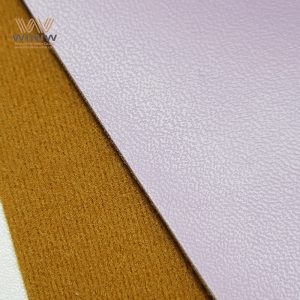
Sheepskin leather stands out due to its unmatched softness and ability to retain warmth. Many luxury brands use it in jackets, hanska, and boots because of its plush texture. The wool layer offers natural insulation, making it ideal for cold climates.
Consumers often notice the comfort and elegance that sheepskin leather provides in high-quality vörur. Comparing it to other leather types helps buyers understand why these qualities matter.
Helstu veitingar
- Sheepskin leather is known for its exceptional softness and warmth, making it ideal for winter apparel and accessories.
- The wool layer in sheepskin provides natural insulation, trapping body heat and allowing moisture to escape for comfort in cold weather.
- Merino sheepskin is the highest quality, offering unmatched softness and requiring careful maintenance to preserve its luxurious feel.
- When choosing leather, consider the specific needs: sheepskin excels in comfort and warmth, while cowhide offers durability and strength.
- Rétt umönnun, including gentle cleaning and conditioning, is essential to maintain the quality and longevity of sheepskin leather products.
Sheepskin Leather Overview


What Is Sheepskin Leather
Sheepskin leather originates from the hide of sheep, retaining the wool layer on one side. This material stands out for its exceptional softness and plush texture. Manufacturers often select sheepskin leather for products that require both comfort and luxury. The characteristics of sheepskin leather include a supple feel and natural warmth, making it a preferred choice for winter apparel and accessories. The wool layer remains attached during processing, which sets it apart from other leather types that lack this insulating feature.
Wool Retention and Warmth
Sheepskin leather provides remarkable insulation due to its unique structure. Wool fibers create air pockets that trap body heat, forming a natural barrier against cold temperatures. The wool layer acts as a microclimate, maintaining warmth while allowing moisture to escape. This combination helps regulate body temperature and prevents overheating. The lanolin coating on the wool repels moisture, ensuring comfort even in damp conditions. Shearling, a type of sheepskin leather, excels in extreme weather because the outer leather blocks wind and moisture.
Wool retention in sheepskin leather offers several advantages:
- Wool fibers in sheepskin leather trap tiny air pockets.
- These air pockets create natural insulation by retaining body heat.
- The insulation allows excess moisture to escape, enhancing breathability.
- This combination helps maintain a stable body temperature in various weather conditions.
Merino Sheepskin Qualities
Merino sheepskin represents the premium standard among sheepskin varieties. The leather derived from Merino sheep is renowned for its fine texture and superior softness. Merino sheepskin remains uncoated to preserve its natural qualities, which enhances its tactile appeal. This variety requires careful maintenance, reflecting its delicate nature and durability. Many luxury brands favor Merino sheepskin for high-end garments and accessories because of its unmatched comfort and longevity.
- Merino leather is derived from Merino sheepskin, known for being the finest and softest of all leathers.
- It is left uncoated to preserve its natural qualities, enhancing its texture.
- Merino leather requires more maintenance than other leathers, indicating its delicate nature and durability.
Comparing Leather Types
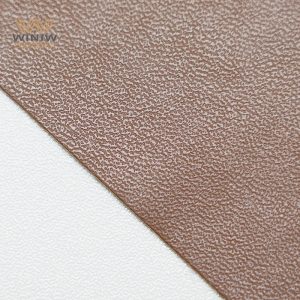

Sheepskin vs. Cowhide
Sheepskin leather and cowhide serve different purposes in the leather industry. Manufacturers often choose cowhide for products that require durability and strength. Cowhide features a firm and rugged texture, which makes it suitable for heavy-duty items such as work boots, belti, and saddles. Sheepskin leather, hins vegar, offers a soft and lightweight feel. Designers prefer sheepskin for garments and accessories that prioritize comfort and flexibility.
The following table highlights the main differences in texture:
| Tegund | Áferð |
|---|---|
| Cowhide | Firm, harðgerður |
| Sauðskinn | Mjúkt, léttur |
Cowhide resists wear and tear better than sheepskin. Its thickness provides extra protection against scratches and abrasions. Sheepskin leather excels in warmth and comfort, but it does not match cowhide’s toughness. The appearance of cowhide often shows a pronounced grain, while sheepskin presents a smoother and more refined surface.
Sheepskin vs. Goatskin
Goatskin leather occupies a middle ground between cowhide and sheepskin. Goatskin feels supple and lightweight, yet it offers more durability than sheepskin. Artisans use goatskin for gloves, jakka, and small accessories because of its flexibility and resilience. Goatskin displays a fine grain and a slightly pebbled texture, which adds visual interest to finished products.
Sheepskin leather provides superior insulation due to its wool retention. Goatskin lacks this feature, so it does not offer the same level of warmth. Goatskin withstands daily use better than sheepskin, but it does not achieve the same softness. Consumers who value comfort and warmth often select sheepskin, while those who need a balance of durability and flexibility may prefer goatskin.
Difference Between Lambskin and Sheepskin Leather
The difference between lambskin and sheepskin leather centers on softness and durability. Lambskin comes from younger animals, resulting in an exceptionally soft and delicate texture. Sheepskin leather, sourced from mature sheep, retains the wool layer and offers more warmth. Lambskin feels smoother and lighter, making it ideal for luxury garments and accessories that require a refined touch.
Sheepskin leather provides better insulation and a plush feel due to its wool retention. Lambskin, while softer, does not offer the same level of warmth. Durability also varies between the two. Lambskin scratches and scuffs more easily, so it requires careful handling. Sheepskin withstands moderate use but remains less durable than cowhide or goatskin.
Market prices for lambskin and sheepskin leather fluctuate globally. Í 2024, the import price of lambskin and sheepskin in the GCC reached $1,181 per ton, marking a significant decrease from the previous year.
- The highest import price appeared for pickled raw skins of sheep or lambs at $5,255 per ton.
- Sheep or lamb skins without wool traded at $589 per ton.
- The export price in 2024 stood at $3,327 per ton, down by 12% from the previous year.
- Pickled raw skins commanded the highest export price at $8,059 per ton, while preserved skins sold for $840 per ton.
Consumers should consider these differences when selecting leather for specific applications. Lambskin suits luxury items that require a soft touch, while sheepskin leather works best for products that need warmth and comfort.
Pros and Cons of Sheepskin Leather
Fríðindi
Sheepskin leather offers several practical advantages for consumers. The material provides exceptional comfort, making it a popular choice for apparel and accessories. Its natural wool layer helps regulate temperature, which creates a warm and cozy environment in cold weather. Many users appreciate the breathability of sheepskin leather, as it allows moisture to escape and prevents overheating. The durability of this leather type ensures that products maintain their shape and appearance over time. Designers often select sheepskin leather for its lightweight feel and luxurious texture.
Ábending: Sheepskin leather excels in insulation, keeping users warm while maintaining comfort. This quality makes it ideal for jackets, hanska, and boots designed for winter use.
Key benefits include:
- Superior warmth and insulation
- Soft and plush texture
- Lightweight construction
- Breathable and moisture-wicking properties
- Long-lasting comfort
Drawbacks
Despite its many strengths, sheepskin leather presents some challenges. The material is more delicate than cowhide or goatskin, which means it can scratch or scuff easily. Owners must handle products with care to avoid damage. Sheepskin leather also requires regular maintenance to preserve its softness and appearance. Exposure to excessive moisture or direct sunlight may cause the leather to deteriorate. The cost of sheepskin leather products tends to be higher due to the premium quality and processing involved.
Common drawbacks:
- Prone to scratches and scuffs
- Requires careful handling
- Sensitive to moisture and sunlight
- Higher price point
Care and Maintenance
Proper care extends the lifespan of sheepskin leather products. Owners should clean the surface gently using a soft brush or damp cloth. Specialized cleaners designed for sheepskin help maintain the wool’s texture and prevent matting. Storing items in a cool, dry place protects them from humidity and sunlight. Regular conditioning keeps the leather supple and prevents cracking. Avoiding harsh chemicals and excessive water ensures that sheepskin leather retains its luxurious feel.
Athugið: Routine maintenance preserves the quality and comfort of sheepskin leather, allowing products to last for many years.

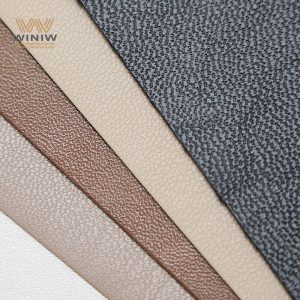
Uses of Sheepskin Leather
Fashion and Apparel
Designers often select sheepskin leather for luxury outerwear. Jackets, coats, and gloves made from this material provide warmth and comfort. The wool lining creates a soft interior, which appeals to those seeking premium garments. Sheepskin boots remain popular in cold climates because they insulate feet and wick away moisture. Many brands use sheepskin leather in hats and mittens, offering both style and function. The material’s lightweight nature allows for flexible movement, making it suitable for everyday wear.
Athugið: Sheepskin leather’s plush texture and insulating properties make it a top choice for winter fashion collections.
Home and Automotive
Manufacturers use sheepskin leather in home décor and automotive interiors. Rugs and throws crafted from sheepskin add a touch of luxury to living spaces. The wool surface feels soft underfoot and helps regulate temperature in the room. Upholstery for chairs and sofas often features sheepskin leather, providing comfort and durability. In vehicles, seat covers made from this material offer a cozy ride and protect original upholstery. Drivers appreciate the breathability and warmth during long journeys.
| Umsókn | Hagur |
|---|---|
| Rugs & Throws | Mýkt, einangrun |
| Áklæði | Þægindi, langlífi |
| Car Seat Covers | Warmth, vernd |
Specialty Products
Artisans create specialty products using sheepskin leather to meet specific needs. Medical professionals recommend sheepskin pads for patients who spend extended periods in bed. These pads reduce pressure points and prevent skin irritation. Pilots and motorcyclists use sheepskin covers for seats, enhancing comfort during travel. Pet owners purchase sheepskin beds for animals, ensuring warmth and support. The main uses of sheepskin leather extend to accessories such as camera straps and tool grips, where softness and durability matter.
Ábending: Specialty items made from sheepskin leather often improve comfort and support in unique situations.
Sheepskin leather offers warmth, mýkt, and versatility that set it apart from other materials. Buyers who understand these qualities make informed choices for their needs.
Selecting the right leather type improves comfort and product longevity.
Ideal scenarios for choosing sheepskin leather:
- Cold weather apparel
- Lúxus heim décor
- Specialty comfort products
Algengar spurningar
What makes sheepskin leather different from regular leather?
Sheepskin leather retains its wool, providing natural insulation and softness. Most regular leathers, eins og kúaskinn, lack this wool layer. Sheepskin feels lighter and warmer, making it ideal for cold-weather products.
How should someone clean sheepskin leather products?
Use a soft brush or damp cloth for surface cleaning. Specialized sheepskin cleaners help maintain texture. Avoid harsh chemicals and excessive water. Always let items air dry away from direct sunlight.
Is sheepskin leather suitable for people with sensitive skin?
Sheepskin leather contains natural lanolin, which soothes and protects sensitive skin. Many people with allergies or sensitivities find sheepskin comfortable and non-irritating.
Can sheepskin leather be used year-round?
Sheepskin leather regulates temperature well. The wool layer keeps users warm in winter and wicks away moisture in warmer months. Many people use sheepskin products throughout the year.
What are the most common uses for sheepskin leather?
| Use Case | Hagur |
|---|---|
| Jackets & Coats | Warmth, þægindi |
| Stígvél & Hanskar | Einangrun, mýkt |
| Rugs & Throws | Lúxus, coziness |
| Car Seat Covers | Öndunarhæfni, stíll |