
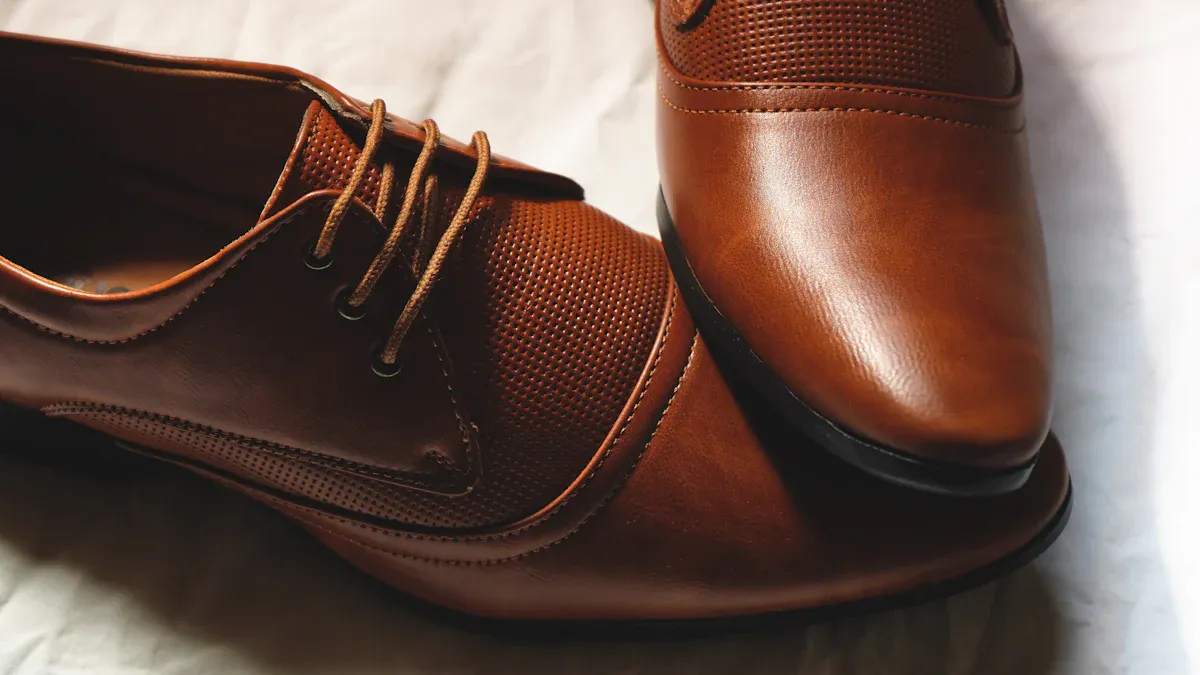
I often weigh the benefits of a pu leather upper against genuine leather when I choose shoes. Di ezmûna min de, genuine leather offers unmatched durability, nefesbûn, û rehetiyê. Lebê, pu leather and faux leather provide style and affordability. Some people prefer the look and feel of genuine leather, while others value the ethical advantage of faux leather. I believe the right footwear material depends on your priorities—whether you want quality, birêvebirinî, or easy care. Consider your climate, budget, and daily needs as you decide which leather works best for you.
Key Takeaways
- Consider your budget when choosing shoes. PU leather offers affordability, while genuine leather is a long-term investment.
- Evaluate durability. Genuine leather lasts longer and withstands wear better than PU leather, which may crack or peel over time.
- Think about comfort. Genuine leather adapts to your feet, providing better breathability and support for all-day wear.
- Explore style options. PU leather comes in a variety of colors and textures, while genuine leather offers a classic, timeless appeal.
- Prioritize maintenance. PU leather is easier to clean, while genuine leather requires regular conditioning to maintain its quality.
- Reflect on environmental impact. PU leather is vegan-friendly, but genuine leather is biodegradable and can be sourced responsibly.
- Choose based on your lifestyle. For everyday wear, genuine leather provides durability and comfort, while PU leather is great for trendy, short-term use.
- Test both materials. Each has unique benefits, so consider your needs and preferences before making a decision.
PU Leather Upper vs Real Leather Shoes Overview
Key Differences Table
I often compare materials before I buy new shoes. I created a table that shows the main differences between a pu leather upper and real leather. This table helps me see which material fits my needs for quality and performance.
| Taybetî | PU Leather Upper (Faux) | Çermê rastîn (Genuine) |
|---|---|---|
| Nirx | Kêmkirin, budget-friendly | Bilindtir, premium investment |
| Xweparêzî | Prone to cracking and peeling | Withstands abrasion, lasts long |
| Rehetî | Lightweight, kêm nefes tê | Breathable, adapts to foot shape |
| Lênerrînî | Paqijkirina hêsan, less care needed | Needs conditioning, more upkeep |
| Bandora jîngehê | Sûnî, vegan-dostane | Biodegradable, animal-based |
| Tenêkirinî | Conducts heat, less warmth | Moderate insulation, retains heat |
| Awayî | Many colors, tevna hevgirtî | Classic look, patina pêş dixe |
Natural leather is dense and fibrous, allowing it to withstand abrasion, pressure, and temperature fluctuations better than many synthetic materials. Çermê faux, made from PU or PVC, is more prone to cracking and peeling in extreme conditions. Leather requires proactive maintenance, while faux leather is easier to clean but lacks long-term durability. In terms of insulation, leather has moderate properties, while faux leather acts as a thermal conductor, leading to faster heat loss.
Category Winners
When I look at each category, I notice that one material often stands out. Here is my summary of which material wins for each feature:
- Real leather is generally considered superior in durability, lênerrînî, and long-term value.
- Genuine leather is stronger and more resistant to abrasion compared to other materials.
- Full-grain or top-grain leather develops a protective patina and maintains structural integrity longer than alternatives.
I find that pu leather upper wins for cost and easy maintenance. It also offers a wide range of colors and styles, which appeals to many style seekers. Real leather wins for durability, rehetî, tenêkirinî, and classic appearance. Genuine leather shoes adapt to my feet over time and keep their shape. Faux leather shoes give me a lightweight feel and require less care, but they do not last as long.
When I choose footwear, I always weigh these factors. I consider my budget, how often I will wear the shoes, and what kind of look I want. For long-term performance and quality, I lean toward genuine leather. For affordable style and easy care, I sometimes pick pu leather.
Durability of PU Leather Upper and Real Leather


Dema ku ez pêlavan dikanim, I always check how well the materials hold up over time. Durability matters to me because I want my footwear to last and look good. I have worn both pu leather upper and real leather shoes, so I can share what I have learned about their performance.
PU Leather Upper Durability
Wear Resistance
Ez hay jê dibim çermê pu upper shoes often look great when new. The surface feels smooth and the colors stay bright. Lebê, I have seen that pu leather does not handle rough use as well as real leather. Di ezmûna min de, the coating on pu leather can start to peel or crack after a few years, especially if I wear the shoes in cold or wet weather. Laboratory tests show that leather keeps its structure after hundreds of flex cycles at low temperatures, while faux leather and faux suede begin to show damage much sooner. I remember reading about a field study where only 42% of faux suede boots stayed fully functional after two winters, compared to 78% for leather boots. This tells me that pu leather upper shoes may not resist wear as well as genuine leather.
Lifespan
I always check how long my shoes will last before I buy them. I found that pu leather shoes usually last about 3 ber 5 years with proper care. The most common problems I see are peeling, fraying at the edges, and loss of the original finish. I put together a table to show the average lifespan and care needs for both materials:
| Mal | Average Lifespan | Common Failure Mode | Pêdiviyên Lênêrînê |
|---|---|---|---|
| Çermê PU | 3-5 sal | Coating peeling, edge fraying | Wipe clean; avoid solvents |
| Çermê rastîn | 10–15 years | Varies based on quality | conditioning Regular, paqijî |
I find that pu leather needs less maintenance, but it cannot match the long-term durability of real leather. If I want shoes that last longer, I usually choose genuine leather.
Real Leather Durability
Patina Development
One thing I love about real leather is how it changes over time. High-quality leather, especially full-grain, develops a patina. This is a natural shine that appears as I wear the shoes. The patina not only makes the shoes look better, but it also helps protect the leather. I notice that my leather shoes adapt to the shape of my feet, which makes them more comfortable and reduces stress on the material. With regular conditioning, my real leather shoes often last ten years or more. The patina gives each pair a unique look and adds to their durability.
Repairability
I have found that real leather shoes are easier to repair than pu leather or faux leather shoes. If my leather shoes get scuffed or scratched, I can often fix them with polish or conditioner. Shoemakers can resole or restitch genuine leather footwear, which extends their life even further. I rarely see this level of repairability in pu leather shoes. Once the coating on pu leather starts to peel, it is hard to restore the original look. Bo min, this makes real leather a better choice if I want shoes that I can keep for many years.
Bexşîş: If you want shoes that last and look better with age, choose real leather. Regular care and conditioning will help your footwear develop a beautiful patina and stay strong for years.
I always weigh the initial cost against the long-term value. Real leather costs more, but its durability and repairability make it a smart investment for anyone who values quality and performance in their shoes.
Comfort and Breathability in Shoes
PU Leather Upper Comfort
Lightweight Feel
When I pick up a pair of shoes with a pu leather upper, I notice how light they feel in my hands. This lightweight quality makes a big difference during long days on my feet. I find that faux leather shoes often reduce fatigue, especially if I walk or stand for hours. The synthetic layers in pu leather create a flexible structure that does not weigh down my steps. I appreciate this feature when I want footwear that feels almost invisible but still looks stylish.
Breathability
Breathability plays a huge role in overall comfort. I have worn both pu leather and genuine leather shoes, and I can feel the difference. Here is what I have learned about moisture management and airflow:
- Real leather has a tightly packed fibrous structure that allows for gradual moisture absorption, enhancing its moisture management capabilities.
- çermê PU, while more breathable than older synthetic materials, does not have the same porous structure, leading to lower breathability and moisture management.
- Real leather can absorb sweat but takes longer to dry, which can be a disadvantage in terms of immediate moisture management.
When I wear shoes with a pu leather upper, my feet sometimes feel warmer and less ventilated. The synthetic surface does not let air pass through as easily as genuine leather. This can lead to sweaty feet, especially in hot weather or during physical activity. I recommend pu leather for short outings or cooler days, but I prefer real leather for long-term wear and better moisture control.
Real Leather Comfort
Foot Adaptation
I always notice how genuine leather shoes adapt to the shape of my feet over time. The natural fibers in leather stretch and mold, creating a custom fit that improves with each wear. This adaptation boosts comfort and reduces the risk of blisters. I value this feature because it means my footwear supports my feet in all the right places. Genuine leather also provides a soft, flexible feel that enhances the overall quality of the shoes.
Tenêkirinî
Insulation matters when I choose shoes for different climates. I compared the insulation properties of leather and synthetic materials in various conditions. Here is a table that summarizes what I found:
| Taybetî | Leather Boots | Synthetic Winter Boots |
|---|---|---|
| Berxwedana avê | Navînî (requires treatment); absorbs moisture over time | High to excellent; inherently non-absorbent, often fully sealed |
| Dry Time After Wet Exposure | 6–24 hours (risk of cracking if dried too fast) | 1–4 hours (no structural damage from rapid drying) |
| Insulation Longevity When Wet | Poor – wet leather cools rapidly and transfers cold | Excellent – stays dry inside even in deep snow |
I have worn leather boots in cold weather and noticed that they keep my feet warm as long as they stay dry. The natural insulation of leather works well for moderate climates. Lebê, if leather gets wet, it loses its insulating power and can make my feet feel cold. Synthetic or pu materials often stay dry and maintain warmth, but they do not offer the same breathability or comfort as genuine leather. I choose real leather for everyday performance and comfort, especially when I want shoes that balance warmth and airflow.
Bexşîş: For the best combination of comfort, nefesbûn, û durustî, I recommend genuine leather shoes for daily wear. If you need sivik, easy-care footwear for short periods, pu leather upper shoes can be a practical choice.
Appearance and Style

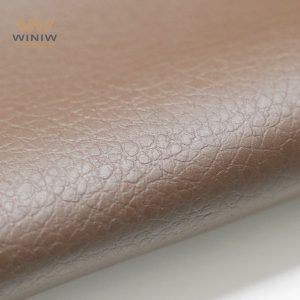
When I choose footwear, I always pay close attention to appearance and aesthetic appeal. The look and feel of leather can influence my decision as much as comfort or durability. I want my shoes to reflect my style and personality, so I compare the options carefully.
PU Leather Upper Look
Vebijêrkên Rengê
I notice that PU leather offers a wide range of color choices. Manufacturers can dye this material in almost any shade, from classic black to bold red or even pastel tones. This flexibility allows me to match my shoes with different outfits or express my mood. I find that the color stays consistent over time, which helps maintain a fresh look. If I want something unique or trendy, I often find more options in PU leather collections.
Texture Variety
Texture plays a big role in how shoes feel and look. I see that PU leather can mimic many natural finishes, including smooth, pebbled, or even embossed patterns. Some types, like Nappa PU leather, offer a luxurious feel similar to genuine leather. I appreciate the softness and durability of this material, especially when I want comfort and style. Many eco-conscious consumers prefer Nappa PU leather because it combines aesthetics with easy maintenance. I also notice that the engineered texture remains consistent, which makes it easier to care for and keeps the shoes looking new.
- Nappa PU leather feels soft and luxurious, much like genuine leather.
- This material is durable and appeals to those who value both comfort and style.
- The engineered texture stays consistent and requires less maintenance than traditional leather.
Real Leather Style
Îtîraza Classic
Genuine leather stands out for its timeless style. I see that real leather shoes often have a rich, natural finish that never goes out of fashion. The grain and subtle imperfections give each pair a unique character. When I wear real leather, I feel confident that my footwear will look appropriate in both casual and formal settings. The quality of the material adds to the overall performance and value of the shoes.
Aging Character
One of my favorite things about real leather is how it ages. Bi derbasbûna demê, real suede develops a rich patina that shows off its history. I notice subtle changes in color depth and texture, which reflect my personal use. Unlike faux leather, which either stays the same or deteriorates, real suede ages with dignity. My shoes gain individuality and adapt to my lifestyle, making them more valuable as the years pass.
- Real suede forms a patina, adding character and uniqueness.
- The color and texture change gradually, enhancing long-term style.
- Genuine leather adapts to its owner, while faux leather does not develop the same personality.
I always consider how my shoes will look after years of wear. Real leather offers a classic appearance and a story that grows with each step. PU leather provides vibrant colors and easy care, making it a great choice for those who want variety and low maintenance.
Maintenance and Care for Shoes
I always consider how easy it is to keep my shoes looking their best. Good maintenance helps me protect my investment and enjoy better performance from my footwear. I have learned that the care routine for a pu leather upper is different from what genuine leather needs. Here is how I handle each material.
PU Leather Upper Cleaning
Berxwedana Stain
I find that pu leather upper shoes resist most stains better than genuine leather. When I get a mark on my faux leather shoes, I act quickly. ez blot the area with a clean cloth to absorb ink or spills. I avoid rubbing because that can spread the stain. I gather the right tools, such as microfiber cloths, mild soap, av, and sometimes rubbing alcohol. I always test any cleaner on a hidden spot first. If the stain is stubborn, I use a little rubbing alcohol or acetone on a cloth and blot from the outside in. Paşê, I wash the area with a mild soap solution and let it dry. I sometimes apply a synthetic leather conditioner to restore softness. Ger lek bimîne, Ez pêvajoyê dubare dikim. This method keeps my shoes looking fresh and maintains their quality.
Berxwedana avê
I notice that pu leather offers decent water resistance. The synthetic surface repels most splashes, so I do not worry much about rain or spills. I wipe my shoes with a damp cloth to remove dirt or water spots. I avoid soaking them, as too much moisture can damage the structure over time. Compared to real leather, I find that faux leather dries faster and does not stain as easily. This makes pu leather a practical choice for everyday wear, especially in wet conditions.
| Faktor | Real Leather Boots | Faux Suede Boots |
|---|---|---|
| Absorption Rate | Navînî (slower when conditioned) | Bilind (nap traps water quickly) |
| Drying Time | 6–12 hours (bi lênêrîna rast) | 12–24+ hours (prone to internal moisture) |
| Retention Shape | Baş (if dried slowly) | Belengaz (soles may separate, upper warps) |
| Appearance After Wetting | May spot but recovers with conditioning | Often leaves water stains, dark patches |
| Long-Term Durability in Wet Climates | Pirrbidilî (with maintenance) | Fair to poor (material breaks down faster) |
Real Leather Care
Conditioning
I know that real leather needs regular conditioning to stay soft and flexible. I use natural oils like coconut or almond oil, or a beeswax balm. I warm a small amount between my fingers and massage it into the leather using small circles. I pay extra attention to areas that bend a lot, like the toe box. I let the conditioner sit for up to a day, then buff the shoes with a dry cloth. I repeat this every few weeks, depending on how often I wear my footwear. This routine keeps my genuine leather shoes looking rich and helps prevent cracks.
| Conditioner | Feydeyên | Application Frequency |
|---|---|---|
| Coconut Oil | Deeply moisturizing, antibacterial, enhances grain | Every 4–6 weeks |
| Almond Oil | Lightweight, fast-absorbing, improves flexibility | Every 3–5 weeks |
| Beeswax Balm | Protects + conditions, adds subtle sheen | Every 6–8 weeks |
| Shea Butter | Excellent for rough or cracked leather | Wekî ku pêdivî ye (spot treatment) |
Damage Prevention
To protect my shoes, I rotate my pairs so each one gets a break. I use cedar shoe trees to absorb moisture and help my footwear keep its shape. I store my shoes in cotton bags to prevent humidity buildup. I avoid getting real leather too wet, and if it does get soaked, I let it dry slowly away from heat. These habits help me maintain the durability and performance of my shoes for years.
Bexşîş: Consistent care routines make a big difference. I find that easy cleaning and water resistance make pu leather upper shoes low-maintenance, while regular conditioning and careful storage keep genuine leather in top shape. Both materials reward good habits with lasting quality and style.


Cost and Value Comparison
PU Leather Upper Price
Affordability
When I shop for new shoes, price often becomes my first concern. Ez hay jê dibim pu leather upper shoes usually cost much less than genuine leather options. This lower price makes them accessible for students, malbatên, or anyone on a tight budget. I can buy several pairs of faux leather shoes for the price of one pair made from real leather. This affordability lets me experiment with different styles and colors without worrying about spending too much.
Value for Money
I always ask myself if I am getting good value for my money. With pu leather upper shoes, I get trendy looks and easy maintenance at a low cost. These shoes often last a few seasons, which works well if I like to update my wardrobe often. The synthetic material resists stains and water, so I spend less time cleaning. Lebê, I have noticed that the quality and performance do not match what I get from genuine leather. Ew xweparêzî is lower, and the shoes may start to peel or crack after regular use. For short-term needs or fast fashion, faux leather offers a practical solution.
Not: If you want affordable footwear for occasional wear or changing trends, pu leather upper shoes can be a smart choice.
Real Leather Price
Investment
When I consider buying real leather shoes, I see them as an investment. The initial price is higher, but I get much more in return. Several factors make real leather a better long-term choice:
- Durability stands out. Leather shoes resist wear and tear better than synthetic options.
- Longevity impresses me. Bi lênêrîna rast, genuine leather shoes can last for many years.
- Breathability keeps my feet comfortable and dry, even after hours of wear.
- Comfort improves over time as leather molds to my feet.
- Resale potential exists. Well-kept leather shoes often hold their value and can be sold or passed down.
Dirêjbûn
I have owned pairs of genuine leather shoes that lasted over a decade. The material develops a unique patina, which adds character and style. Regular conditioning and careful storage help maintain their quality. I find that the long lifespan and classic look make real leather a wise investment for anyone who values performance and durability in their footwear. While the upfront cost is higher, the shoes pay off in the long run.
| Mal | Average Price Range | Jiyana Hêvîkirî | Maintenance Level | Resale Value |
|---|---|---|---|---|
| PU Leather Upper | $30-$80 | 2-5 sal | Nizm | Nizm |
| Çermê rastîn | $100–$300+ | 10–15 years | Navînî | Moderat-Bilind |
Bexşîş: If you want shoes that combine quality, rehetî, and long-term value, genuine leather is worth the investment.
Environmental Impact and Ethics
When I choose shoes, I always think about how they affect the environment and ethical values. I want to understand what goes into making each pair and how my choices impact the world.
PU Leather Upper Sustainability
Synthetic Materials
I learned that pu leather upper shoes use synthetic materials. Manufacturers often rely on polyurethane, which they apply to a fabric base. This process avoids the use of animal berhemên. I noticed that brands like New Balance use engineered synthetic materials instead of real leather. They do this to avoid the environmental impacts linked to traditional tanning processes. Tanning leather requires chemicals that can harm water and soil. Synthetic materials can be designed to reduce these impacts. I see that companies now focus on performance and ethical sourcing. They want to meet modern expectations for sustainability.
- Synthetic materials avoid animal-based production.
- The manufacturing process can minimize harmful chemicals.
- Brands use engineered materials to align with ethical values.
Vegan Benefits
I value the vegan benefits of pu leather. When I buy shoes made from pu, I know they do not use animal products. This appeals to people who care about animal welfare. Vegan shoes also support ethical sourcing. I see more brands offering vegan options because consumers want cruelty-free products. I feel good knowing my shoes do not contribut