
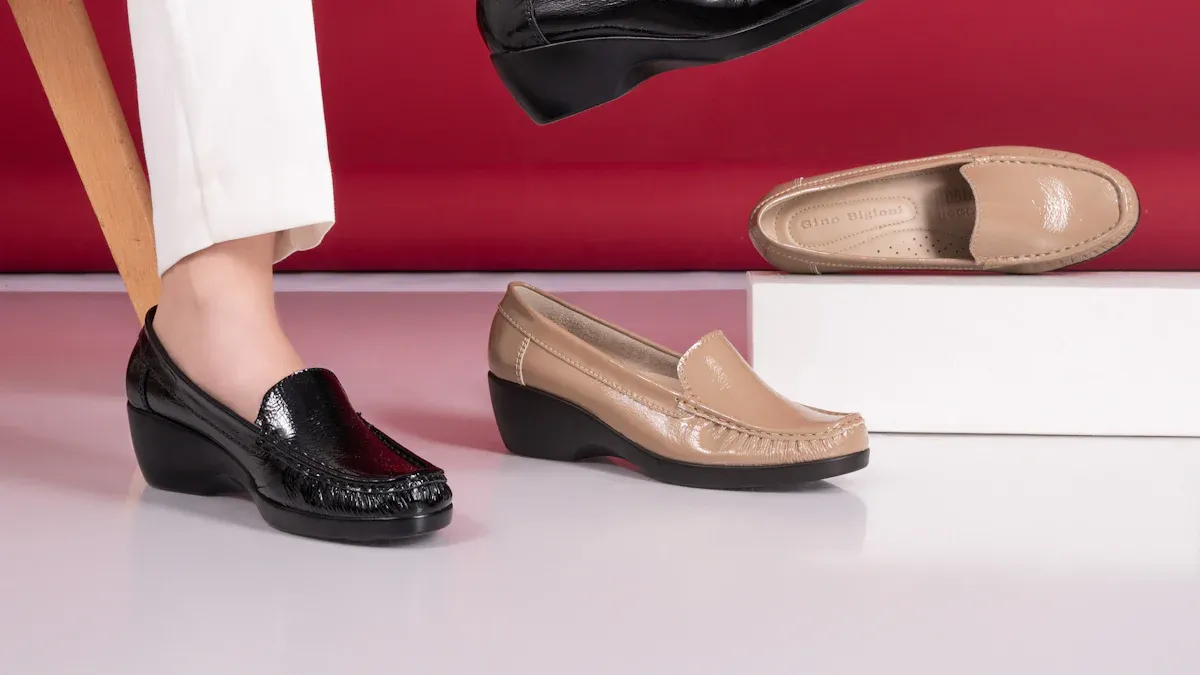
When I choose leather nursing shoes, I look for comfort, durability, support, and easy cleaning. Slip-resistance and a proper fit matter most during long shifts. My workplace has specific requirements, so I check color and style before buying. I want shoes that balance my personal needs with professional standards. Prices vary by brand and features. For example:
| Product Name | Price (USD) |
|---|---|
| Birkenstock Boston SL Super-Grip Natural Leather in Black | $115.00 |
| Sanita Kristel Traditional Clogs in Mustard | $86.00 |
| Sanita Big Buckle Danish Clogs in Red | $63.00 |
I invest in quality footwear to protect my health and meet job demands.
Key Takeaways
- Prioritize comfort and fit when selecting nursing shoes. A secure fit prevents foot pain and fatigue during long shifts.
- Look for shoes with essential features like slip-resistance, arch support, and cushioning. These elements enhance safety and comfort.
- Measure your feet accurately before buying. Use the larger foot measurement to ensure a proper fit.
- Choose high-quality leather, such as full-grain, for durability and easy cleaning. This type of leather resists wear and maintains its appearance.
- Inspect the stitching and construction of shoes. Reinforced seams and solid construction ensure longevity and support.
- Consider workplace dress codes and color requirements. Select shoes that comply with regulations while reflecting your personal style.
- Regularly clean and maintain your shoes to extend their lifespan. Use mild soap and avoid harsh chemicals to protect the leather.
- Invest in shoes with good warranty coverage. A solid warranty provides peace of mind and protects your investment.
Comfort and Fit


Comfort Needs
When I select nursing shoes, I always prioritize how they feel during a long shift. My feet need support that lasts for hours, not just the first few steps. I look for shoes that offer all-day wearability, reduce fatigue, and prevent injuries. From my experience, the most essential features for nurses include:
- A secure fit that keeps my foot stable
- Durable materials that withstand constant movement
- Slip-resistant soles for safety on wet floors
- Ergonomic design that supports foot health
- Lightweight construction and breathable linings to keep my feet cool
These features help me stay focused on patient care instead of foot pain.
Sizing
A proper fit makes a huge difference in how my feet feel at the end of the day. I learned early in my career that even a small sizing mistake can lead to discomfort or even injury. Shoes that are too tight or too loose can cause cramps, muscle strain, and fatigue. I always take extra care with sizing to avoid these issues.
Measuring Feet
I measure my feet before buying new shoes. I stand on a flat surface and use a ruler or measuring tape to check both length and width. I measure both feet, since one can be slightly larger than the other. I use the larger measurement to choose my size. This simple step helps me avoid shoes that pinch or rub.
End-of-Day Fitting
I try on new shoes at the end of my shift or after walking for a while. My feet swell throughout the day, so this timing gives me the most accurate sense of how the shoes will fit during work. If the shoes feel comfortable when my feet are at their largest, I know I have made a good choice.
Arch Support
Arch support is critical for nurses who spend hours on their feet. I look for shoes with built-in arch support to prevent muscle fatigue and reduce the risk of cramps. Inadequate support can make my feet ache and increase the chance of spasms. I pay attention to how the shoe supports my arches, especially if I have a history of foot pain. Recognizing what triggers discomfort helps me choose shoes that keep me comfortable and healthy throughout my shift.
Cushioning
When I choose leather nursing shoes, I always pay close attention to the cushioning. Proper cushioning makes a huge difference during long shifts. I have worked 12-hour and even 16-hour shifts, and I know how much my feet can ache without the right support. I look for shoes with thick, responsive midsoles and extra padding in the heel and forefoot. These features help absorb shock and reduce the impact on my joints.
I have noticed that shoes with advanced cushioning technology keep my feet comfortable and energized. I remember one pair that felt incredibly comfortable and supportive, even after a full day on my feet. I could move quickly between patient rooms and stand for long periods without pain. The extra support and cushioning in the heel area also gave me more stability, especially when I needed to move quickly or lift equipment.
- I feel less fatigue in my feet when I wear shoes with proper cushioning.
- My stability improves, especially during fast-paced tasks.
- I experience less pain, even after long shifts.
I always recommend testing the cushioning by pressing down on the insole and walking around the store. I pay attention to how the shoes feel under my arches and heels. If the shoes feel soft but still supportive, I know they will help me get through even the busiest days.
Tip: I replace my nursing shoes regularly to ensure the cushioning stays effective. Worn-out insoles lose their shock-absorbing properties and can lead to discomfort.
Circulation
Good circulation is essential for nurses who spend most of their shift standing or walking. I have learned that shoes that are too tight or have poor ventilation can restrict blood flow. This leads to swelling, numbness, and even tingling in my toes. I always choose shoes with a roomy toe box and breathable leather uppers. These features help my feet stay cool and allow for natural movement.
I check for flexible materials that do not squeeze my feet. I also avoid shoes with seams or stitching that press against sensitive areas. When my shoes fit well and allow for proper circulation, I notice less swelling at the end of my shift. My feet feel lighter, and I recover faster after work.
- I make sure my shoes do not leave marks or indentations on my skin.
- I wiggle my toes easily inside the shoe.
- I look for moisture-wicking linings to keep my feet dry and comfortable.
Note: I try on new shoes with the socks I wear at work. This helps me ensure the fit supports healthy circulation throughout my shift.


Leather Quality and Durability
Leather Types
When I shop for nursing shoes, I always check the type of leather used. Not all leather is the same. Full-grain leather stands out as the most durable and high-quality option. It keeps its natural texture and resists wear better than other types. I have found that full-grain leather shoes last longer and look better over time. Top-grain leather offers a smoother finish and feels softer, but it may not resist scratches as well. Genuine leather, while real, often comes from lower layers and does not hold up as well under daily stress.
I also pay attention to whether the leather is non-porous. Non-porous leather protects my feet from spills and stains. In a hospital, I need shoes that can handle unexpected messes. I wipe them clean quickly, and they do not absorb liquids. This feature keeps my shoes looking professional and extends their lifespan.
Tip: I always read product descriptions and labels to confirm the leather type. High-quality leather usually feels firm yet flexible and has a consistent color.
Stitching
Stitching plays a big role in the durability of my nursing shoes. I inspect the seams closely before buying. Tight, even stitching means the shoe will hold together through long shifts and constant movement. I avoid shoes with loose threads or uneven seams. These flaws often lead to early wear and tear.
Double or reinforced stitching adds extra strength. I have noticed that shoes with reinforced seams last much longer, especially around high-stress areas like the toe box and heel. I run my fingers along the seams to check for rough spots or gaps. Smooth, flat stitching feels comfortable and does not rub against my feet.
- I look for:
- Even, tight stitches
- Reinforced seams in high-wear areas
- No loose threads or gaps
Construction
The way a shoe is built affects how well it stands up to daily use. I prefer shoes with solid construction methods, such as cemented or stitched soles. Cemented construction bonds the sole securely to the upper, making the shoe flexible and lightweight. Stitched construction, like Goodyear welt or Blake stitching, adds durability and allows for sole replacement if needed.
I check the insole and outsole connection. A well-constructed shoe feels sturdy and balanced. The sole should not peel away or feel flimsy. I press on the heel and toe to test for stability. If the shoe flexes too much or feels weak, I move on to another pair.
| Construction Method | Durability | Flexibility | Resole Option |
|---|---|---|---|
| Cemented | Good | High | No |
| Goodyear Welt | Excellent | Moderate | Yes |
| Blake Stitch | Very Good | High | Yes |
Note: I choose shoes with non-porous leather and strong construction for the best protection against spills and daily wear. This combination keeps my feet safe and my shoes looking new.


Wear Resistance
When I choose leather nursing shoes, I always pay close attention to wear resistance. In my experience, shoes that resist daily wear and tear save me money and keep my feet protected. Wear resistance means the shoe can handle constant walking, standing, and exposure to spills without breaking down quickly. I have learned that not all leather shoes offer the same level of durability.
I start by checking the thickness and finish of the leather. Thicker leather usually lasts longer and resists scuffs better. I run my fingers over the surface to feel for firmness. Soft, thin leather often wears out faster, especially in high-stress areas like the toe box and heel. I also look for a protective coating or finish. A good finish repels liquids and prevents stains from setting in. This feature keeps my shoes looking professional even after months of use.
Tip: I always choose shoes with reinforced toe caps and heel counters. These areas take the most abuse during a shift. Reinforcement helps prevent early breakdown and keeps my shoes in shape.
I pay attention to the outsole material as well. Durable rubber or polyurethane outsoles resist abrasion from hospital floors. I check for deep tread patterns, which help the sole last longer and provide better grip. I avoid shoes with thin or soft soles, as they wear down quickly and lose their slip-resistance.
Here are the signs I look for when assessing wear resistance:
- Thick, high-quality leather uppers
- Reinforced stitching in stress points
- Protective coatings for stain and spill resistance
- Durable, abrasion-resistant outsoles
- Sturdy toe and heel construction
I have noticed that shoes with these features last much longer than cheaper alternatives. My last pair of full-grain leather nursing shoes lasted over a year, even with daily use. The leather stayed smooth, and the soles did not wear thin. I could clean them easily, and they kept their shape.
| Feature | Benefit |
|---|---|
| Thick Leather | Resists scuffs and tears |
| Reinforced Toe/Heel | Prevents early breakdown |
| Abrasion-Resistant Sole | Extends shoe lifespan |
| Protective Finish | Guards against stains/spills |
Note: I inspect my shoes regularly for signs of wear. Early detection helps me replace them before they cause discomfort or safety issues.
Choosing shoes with strong wear resistance gives me confidence during long shifts. I know my footwear will support me, protect my feet, and maintain a professional appearance.


Support and Safety
Slip-Resistance
I never compromise on slip-resistance when I choose leather nursing shoes. Hospital floors often get wet, and I have seen how quickly accidents can happen. I always check the sole for a strong grip and deep tread patterns. Shoes with reliable slip-resistance keep me steady, even when I move quickly between patient rooms or work in high-traffic areas.
- Hospital floors can be wet or slick, so slip-resistant soles are crucial for safety.
- I look for shoes labeled as “anti-slip” or “slip-resistant.”
- I test the grip by walking on different surfaces before making a decision.
A good slip-resistant shoe gives me confidence during my shift. I know I can focus on patient care without worrying about slipping.
Shock Absorption
Long shifts put a lot of pressure on my feet, legs, and back. I always look for shoes with excellent shock absorption. This feature helps reduce the impact on my joints and keeps me comfortable throughout the day. I have tried several materials and technologies, and I notice a big difference in how my feet feel after a busy shift.
| Material/Technology | Effectiveness Description | Impact Reduction |
|---|---|---|
| Z-Coil Spring | Acts as a shock absorber, significantly minimizing pressure on feet, legs, and back. | Reduces impact by 50% |
| Thick Forefoot Cushioning | Provides nearly an inch of soft cushioning to protect the ball of the foot and toes. | Reduces pressure points |
Shoes with advanced shock absorption technology help me stay energized. I feel less fatigue, and my joints recover faster after work. I always press on the insole and walk around to test the level of cushioning and support.
Orthopedic Features
I pay close attention to orthopedic features, especially since I have experienced foot pain in the past. Proper support makes a huge difference for nurses who stand or walk for hours. I look for shoes designed to address common issues like plantar fasciitis and swelling. The right features help me avoid discomfort and keep my feet healthy.
| Feature | Description |
|---|---|
| Wide Fit Design | Offers a loose and comfortable fit, adjustable for ease and comfort. |
| Comfortable Heel Cushion | Reduces friction during movement, providing exceptional comfort and support. |
| Soft and Resilient Sole | Adapts to various surfaces, alleviating pressure on the feet for extended wear. |
| Anti-Slip Technology | Enhances stability on wet surfaces, ensuring safety for users. |
| Easy On and Off | Features a large opening and adjustable straps for convenience, accommodating special foot shapes. |
I always choose shoes with a wide fit and a soft, resilient sole. These features help me avoid pressure points and keep my feet comfortable during long shifts. I also appreciate easy on and off designs, which save time when I need to change quickly.
Tip: I recommend checking for orthopedic features if you have a history of foot pain or need extra support during long shifts.
Toe Protection
Toe protection stands out as one of the most important features I consider when choosing leather nursing shoes. In my daily routine, I move equipment, assist patients, and navigate crowded hallways. I have learned that my toes face constant risk from dropped instruments, rolling carts, and accidental bumps. Without proper protection, I expose myself to painful injuries that can sideline me from work.
I always check for reinforced toe boxes when I shop for nursing shoes. A sturdy toe box shields my feet from impact and compression. I prefer shoes with a firm, structured front made from high-quality leather or composite materials. These designs absorb shock and prevent bruising. I remember one shift when a heavy IV pole rolled over my foot. My shoes had reinforced toes, so I avoided a serious injury. That experience convinced me never to compromise on toe protection.
Here are the features I look for in toe protection:
- Reinforced Toe Box: Adds a layer of defense against dropped objects.
- Composite or Steel Toe: Offers maximum impact resistance, though less common in nursing shoes.
- Thick Leather Overlay: Provides extra durability and shields against scuffs.
- Wide Toe Area: Prevents pinching and allows natural movement.
| Toe Protection Type — Material — Impact Resistance — Comfort Level | | Reinforced Leather — Full-grain leather — Moderate — High | | Composite Toe — Composite polymer — High — Moderate | | Steel Toe — Steel — Very High — Low | | Thick Overlay — Double-layer leather — Moderate — High |
I choose reinforced leather toe boxes for most nursing environments. They balance protection and comfort. Steel toes feel heavy and restrict movement, so I avoid them unless my workplace requires them. Composite toes offer strong protection but sometimes lack flexibility.
Tip: I always test the toe box by pressing down with my thumb. A solid toe box does not collapse easily. I also wiggle my toes to check for space and comfort.
Toe protection also helps my shoes last longer. The front of the shoe takes the most abuse during a shift. Reinforced designs resist scuffs and maintain their shape. I notice less wear and tear on shoes with strong toe boxes. My feet stay safe, and my shoes look professional.
I recommend nurses prioritize toe protection, especially in busy or high-risk settings. Injuries slow me down and affect my ability to care for patients. Investing in shoes with reliable toe protection keeps me confident and focused throughout my shift.
Cleaning and Maintenance


Easy Cleaning
I always look for leather nursing shoes that make cleaning simple. My workday exposes my shoes to spills, dust, and fluids. I need footwear that I can wipe down quickly between shifts. I choose shoes with smooth leather surfaces because they do not trap dirt. I keep a pack of disinfectant wipes in my locker. After each shift, I use a damp cloth to remove any residue. I avoid shoes with deep grooves or heavy stitching on the upper, since these areas collect grime.
I recommend using a mild soap and water solution for regular cleaning. I never soak my shoes. I gently scrub the surface and let them air dry. I avoid harsh chemicals because they damage the leather finish. I also use a soft brush to clean the outsoles. This routine keeps my shoes looking professional and extends their lifespan.
Tip: I clean my shoes as soon as I notice a spill. Quick action prevents stains and keeps the leather supple.
Stain Resistance
Stain resistance matters to me because I work in an environment where spills happen often. I prefer shoes treated with protective coatings. These treatments help repel liquids and prevent stains from setting in. I have found that brands like Dansko offer stain-resistant and easy-clean options. Shoes with these features save me time and effort.
- Stain-resistant finishes block fluids from soaking into the leather.
- Easy-clean surfaces allow me to wipe away messes with minimal effort.
- Protective coatings maintain the shoe’s appearance and prevent discoloration.
| Feature | Benefit |
|---|---|
| Stain-resistant | Repels spills and prevents marks |
| Easy-clean | Quick wipe-down after exposure |
| Protective finish | Maintains color and texture |
I check product descriptions for terms like “stain-resistant” or “easy-clean.” I also look for shoes with a glossy or semi-matte finish. These surfaces resist staining better than untreated leather. I feel confident wearing shoes that stay clean and professional throughout my shift.
Odor Control
Odor control is essential for me because I spend long hours on my feet. I choose shoes with breathable leather uppers and moisture-wicking linings. These features help reduce sweat and keep my feet dry. I also use odor-absorbing insoles. I replace them every few months to maintain freshness.
I avoid shoes with poor ventilation. Trapped moisture leads to unpleasant smells and discomfort. I air out my shoes after each shift. I remove the insoles and let them dry separately. I sprinkle baking soda inside my shoes once a week. This simple step absorbs odors and keeps my footwear fresh.
- Breathable materials prevent sweat buildup.
- Removable insoles allow for easy cleaning.
- Baking soda neutralizes odors naturally.
Note: I never store my shoes in a closed bag or locker for long periods. Proper airflow keeps them odor-free and ready for my next shift.
Maintenance Tools
I rely on a set of essential tools to keep my leather nursing shoes in top condition. Over the years, I have learned that the right maintenance tools make cleaning and care much easier. These tools help me extend the life of my shoes and maintain a professional appearance at work.
My Go-To Maintenance Tools:
- Soft-Bristled Brush: I use a soft-bristled brush to remove dust and dirt from the leather surface. This tool works well for cleaning seams and textured areas without scratching the leather.
- Microfiber Cloth: I always keep a microfiber cloth handy. It helps me wipe away spills and buff the leather to a shine. Microfiber absorbs moisture quickly and leaves no lint behind.
- Leather Cleaner: I choose a gentle, pH-balanced leather cleaner for regular use. This product lifts stains and removes buildup without damaging the finish. I apply it with a damp cloth and follow the instructions on the label.
- Leather Conditioner: I apply conditioner every few weeks to keep the leather soft and prevent cracking. Conditioner restores moisture and adds a subtle sheen. I use a small amount and rub it in with a clean cloth.
- Protective Spray: I use a water- and stain-repellent spray designed for leather. This spray creates a barrier that helps my shoes resist spills and stains. I reapply it after cleaning or conditioning.
- Odor-Absorbing Insoles: I replace my insoles regularly. Odor-absorbing insoles keep my shoes fresh and comfortable. I choose insoles that fit well and provide extra support.
Tip: I store my maintenance tools together in a small box or bag. This way, I can find everything quickly when I need to clean my shoes after a shift.
Maintenance Tools Comparison Table
| Tool | Purpose | How Often I Use It |
|---|---|---|
| Soft-Bristled Brush | Remove dust and dirt | After each shift |
| Microfiber Cloth | Wipe and buff leather | Daily |
| Leather Cleaner | Deep clean and lift stains | Weekly or as needed |
| Leather Conditioner | Moisturize and protect | Every 2-4 weeks |
| Protective Spray | Repel water and stains | Monthly |
| Odor-Absorbing Insoles | Control odor and add comfort | Every 1-2 months |
I avoid using harsh chemicals or rough brushes. These can damage the leather and shorten the life of my shoes. I also let my shoes air dry naturally after cleaning. Direct heat can cause the leather to crack or warp.
When I follow this routine and use the right tools, my leather nursing shoes stay clean, comfortable, and professional. Investing in proper maintenance tools saves me money and helps me meet workplace standards every day.


Style and Workplace Needs
Dress Codes
When I select leather nursing shoes, I always check my workplace’s dress code first. Hospitals and clinics often have strict guidelines about footwear. My facility requires closed-toe shoes made from non-porous materials. White leather remains the standard in many departments, especially in patient-facing roles. I have seen some units allow black or navy shoes, but bright colors or patterns rarely meet approval.
I read the employee handbook before shopping for new shoes. I also ask my supervisor if I feel unsure about the rules. Some hospitals specify heel height, sole thickness, or even the type of fastener allowed. I avoid shoes with open backs or decorative cutouts because they do not meet safety standards. I always choose shoes that protect my feet and comply with regulations.
Tip: I keep a backup pair of compliant shoes in my locker. This habit saves me from last-minute dress code surprises.
Color Options
Color options for leather nursing shoes have expanded in recent years. I remember when white was the only choice. Now, I see brands offering black, navy, gray, and even subtle pastels. My hospital allows black or white shoes, so I alternate between the two for variety. I choose white shoes for a classic, clean look. Black shoes hide scuffs and stains better, which helps me maintain a professional appearance during busy shifts.
Some brands offer shoes with colored accents or stitching. I like these small details because they add personality without breaking dress code rules. I avoid shoes with bright patterns or flashy logos. These styles do not fit the professional image my workplace expects.
| Color | Pros | Cons |
|---|---|---|
| White | Classic, clean, traditional | Shows stains easily |
| Black | Hides scuffs, versatile | Can look less formal |
| Navy/Gray | Subtle, modern | Not always dress code approved |
I always check with my manager before wearing new colors to work.
Personal Style
I believe personal style matters, even in a clinical setting. I spend long hours on my feet, so I want shoes that reflect my taste and keep me comfortable. I look for subtle design features like textured leather, contrast stitching, or a unique buckle. These small touches help me feel confident and express my individuality.
I avoid shoes that look too casual or athletic. My goal is to balance professionalism with comfort. I choose styles that match my scrubs and fit the image I want to project. I also consider the shape of the shoe. A sleek, streamlined design looks polished and feels supportive.
- I select shoes with classic silhouettes for a timeless look.
- I prefer minimal branding and neutral tones.
- I add custom insoles for extra comfort without changing the shoe’s appearance.
Note: I believe that when I feel good in my shoes, I perform better at work. Personal style and professionalism can go hand in hand with the right choices.
Unisex Designs
When I shop for leather nursing shoes, I often notice that many brands offer unisex designs. These shoes appeal to a wide range of nurses, regardless of gender. I appreciate the practicality and inclusivity that unisex styles bring to the workplace. Unisex shoes simplify the buying process and ensure that everyone finds a comfortable, professional option.
Unisex designs focus on neutral colors, classic shapes, and versatile features. I see brands using black, white, and navy as their primary color choices. These colors match most uniforms and meet strict dress codes. The shapes tend to be streamlined, with closed toes and supportive soles. I find that these shoes fit well with both male and female foot shapes. Manufacturers often provide a broad size range, which helps me find the perfect fit.
I value the functional benefits of unisex nursing shoes. The construction emphasizes durability and comfort. I notice that the insoles offer good arch support and cushioning. The outsoles feature slip-resistant materials, which keep me safe on slick hospital floors. I also see that unisex shoes use easy-to-clean leather, making maintenance simple.
Tip: I always check the sizing chart before ordering unisex shoes. Some brands list sizes in both men’s and women’s measurements. I compare my foot length to the chart to avoid confusion.
Unisex designs also promote a sense of unity among staff. When everyone wears similar shoes, I feel a stronger connection to my team. The consistent look supports a professional image and helps patients identify staff members easily. I believe that unisex shoes reduce distractions and keep the focus on patient care.
Here is a comparison of features I look for in unisex leather nursing shoes:
| Feature — Benefit — Why I Choose It | | Color Options — Neutral, professional — Matches uniforms and dress codes | | Size Range — Wide selection — Fits all foot shapes | | Arch Support — Ergonomic design — Prevents fatigue | | Slip-Resistance — Safety on wet floors — Reduces accidents | | Easy Cleaning — Smooth leather — Saves time after shifts |
I recommend unisex designs for nurses who want reliable, comfortable footwear without worrying about style differences. These shoes meet workplace requirements and provide the support I need during long shifts. I find that unisex options offer the best balance between function and appearance.
Note: I always try on unisex shoes with my work socks to ensure the best fit. Proper sizing makes a big difference in comfort and performance.
Unisex leather nursing shoes make my job easier. I trust their durability and appreciate their inclusive approach. When I choose unisex designs, I know I am investing in footwear that supports me and my team.


Value and Price
Price Range
When I shop for leather nursing shoes, I notice a wide range of prices. Entry-level options start around $50. Premium brands can reach $150 or more. I find that most reliable shoes fall between $80 and $120. This price range gives me access to quality materials, advanced support features, and professional designs. I avoid shoes priced below $40. These often lack durability and comfort. I consider shoes above $130 only if they offer specialized orthopedic features or exceptional craftsmanship.
| Price Category | Typical Features | My Experience |
|---|---|---|
| $40–$70 | Basic support, synthetic blends | Short lifespan, less comfort |
| $80–$120 | Full-grain leather, ergonomic design | Best balance of value and quality |
| $130+ | Orthopedic, custom fit, premium brands | Worth it for chronic pain or special needs |
I always set a budget before shopping. I compare prices across brands and retailers. I look for seasonal sales and discounts. Sometimes, I find high-quality shoes at a lower price during clearance events.
Cost vs. Quality
I believe cost and quality go hand in hand when choosing nursing shoes. I never sacrifice comfort or durability for a lower price. I focus on features that justify the investment. Here are the factors I consider:
- Durability: I choose shoes with sturdy soles and strong materials. These last longer and save me money over time.
- Comfort and Fit: I look for adjustable closures and ergonomic designs. A good fit prevents fatigue and keeps me productive.
- Ease of Maintenance: I prefer shoes that clean easily. A simple wipe keeps them looking new and extends their lifespan.
I have learned that spending a little more upfront often means fewer replacements and less discomfort. I avoid shoes that feel flimsy or lack support. I test the construction and materials before making a decision. I trust brands with a reputation for quality, even if the price is higher.
Tip: I track how long each pair lasts. Shoes that hold up for a year or more prove their value.
Warranty
Warranty coverage gives me peace of mind when I invest in leather nursing shoes. Many reputable brands offer warranties ranging from 30 days to one year. I always check the warranty policy before buying. A good warranty covers defects in materials and workmanship. Some brands replace or repair shoes if problems arise within the coverage period.
| Brand | Warranty Length | Coverage Details |
|---|---|---|
| Dansko | 1 year | Manufacturing defects |
| Birkenstock | 6 months | Material and construction issues |
| Sanita | 30 days | Workmanship flaws |
I keep my receipts and register my shoes online if required. I contact customer service immediately if I notice any defects. I avoid brands that do not offer clear warranty terms. A strong warranty shows that the company stands behind its product.
Note: I recommend reading the fine print. Some warranties exclude normal wear and tear or accidental damage.
Where to Buy
When I look for high-quality leather nursing shoes, I consider both online and in-store options. Each method offers unique advantages. I prefer to compare several sources before making a final decision. My goal is to find shoes that meet my comfort, durability, and workplace requirements.
My favorite places to shop for leather nursing shoes include:
- Specialty Medical Footwear Stores: These stores focus on healthcare professionals. I find knowledgeable staff who understand the demands of nursing. They often carry trusted brands and allow me to try shoes on for fit and comfort.
- Major Shoe Retailers: Stores like DSW, Zappos, and Nordstrom offer a wide selection of nursing shoes. I appreciate the variety and the ability to check return policies before purchasing.
- Brand Websites: I visit the official websites of brands such as Dansko, Birkenstock, and Sanita. Shopping directly from the brand ensures authenticity and access to the latest models.
- Online Medical Supply Retailers: Websites like Nursing Clogs provide a curated selection of nursing clogs and shoes. I find detailed product descriptions and customer reviews helpful when choosing the right pair.
- Local Uniform Shops: Many hospitals have nearby uniform stores that stock approved footwear. I value the convenience and the chance to see shoes in person.
Tip: I always check the store’s return and exchange policy. This step gives me peace of mind if the shoes do not fit as expected.
I compare prices and look for seasonal promotions. Some stores offer discounts for healthcare workers. I sign up for newsletters to receive alerts about sales and new arrivals.
Comparison Table: Where I Buy Leather Nursing Shoes
| Store Type | Pros | Cons |
|---|---|---|
| Specialty Medical Stores | Expert advice, try before buy | Limited locations |
| Major Shoe Retailers | Wide selection, easy returns | May lack medical focus |
| Brand Websites | Latest models, authenticity | Higher prices, shipping fees |
| Online Medical Retailers | Curated for nurses, reviews | Cannot try on before buying |
| Local Uniform Shops | Convenient, approved styles | Smaller inventory |
I read customer reviews and check sizing guides before ordering online. I use my work socks when trying shoes in-store to ensure the best fit. I also ask colleagues for recommendations. Their experiences often lead me to reliable sources.
Shopping from reputable retailers helps me avoid counterfeit products. I trust stores with clear contact information and secure payment options. I keep my receipts in case I need to make a return or claim a warranty.
Finding the right place to buy leather nursing shoes makes the process easier. I save time, avoid frustration, and feel confident in my purchase. My feet thank me every shift.


Choosing Nursing Shoes
Decision Steps
When I start choosing nursing shoes, I follow a clear process to make sure I get the best fit for my needs. I begin by listing my priorities. Comfort always comes first, but I also consider durability, easy cleaning, and workplace requirements. I check if the shoes offer enough support for long shifts. I look for features like slip-resistant soles and reinforced toe boxes. I set a budget before shopping, which helps me narrow down my options.
I make a checklist to guide my decision:
- Identify workplace dress code and color requirements.
- Decide on the type of leather and construction that suits my daily routine.
- Focus on shoes that provide strong arch support and cushioning.
- Check for slip-resistance and toe protection.
- Compare prices and warranty coverage.
- Read customer reviews for real-world feedback.
I always remind myself that investing in quality leather nursing shoes pays off in comfort and long-term health.
Brand Research
I spend time researching brands before making a purchase. Some brands stand out for their orthopedic features and slip-resistance. I want shoes that not only look professional but also provide the support I need during long shifts. I compare different brands based on their reputation, available features, and customer feedback.
Here is a table of brands I trust for orthopedic support and slip-resistance:
| Brand | Features |
|---|---|
| Orthofeet | Orthopedic features, various styles |
| Propét | Slip-resistant options, orthopedic features |
I read product descriptions carefully. I look for details about arch support, cushioning, and outsole grip. I also check if the brand offers a wide range of sizes and widths. I value brands that focus on healthcare professionals and understand the demands of nursing.
I ask colleagues for recommendations. Their experiences often lead me to reliable brands that deliver on comfort and durability.
Trying Shoes
Trying on leather nursing shoes is a crucial step in my selection process. I never skip this part, even if I shop online. I want to make sure the shoes fit well and provide the support I need throughout my shift. I follow these best practices:
- Select your product: I choose from a variety of stylish, pain-relieving shoes that match my needs.
- Try at home, risk-free: I test the shoes for 14 days in real-life situations, including walking and standing for extended periods.
- Love ’em or return ’em: I decide whether to keep the shoes or return them within 14 days if they do not fit well.
I always try on new shoes with the socks I wear at work. I walk around my home, stand for long periods, and pay attention to any pressure points. I check if the shoes allow my toes to move freely and if the arch support feels comfortable. If I notice any discomfort, I do not hesitate to return the shoes and try another pair.
I believe that taking the time to test shoes in real-life conditions helps me avoid foot pain and fatigue during busy shifts.
Choosing nursing shoes requires patience and attention to detail. I trust my instincts and prioritize my comfort and safety. When I find the right pair of leather nursing shoes, I feel confident and ready to take on any challenge at work.
When I choose leather nursing shoes, I focus on comfort, durability, and safety. I always check fit, support, and workplace rules before making a decision. My process includes:
- Measuring my feet for the right size
- Checking for slip-resistance and arch support
- Reviewing dress codes and color options
Investing in quality shoes keeps me healthy and confident at work. I believe that the right footwear supports my career and long-term well-being.


FAQ
What makes leather nursing shoes better than synthetic options?
I choose leather nursing shoes because they last longer and resist spills better. Leather feels more breathable and molds to my feet over time. I find cleaning leather much easier than cleaning synthetic materials.
How often should I replace my leather nursing shoes?
I replace my shoes every 8 to 12 months. I watch for signs of wear, like thinning soles or loss of support. If my feet start to hurt, I know it is time for a new pair.
Can I wear leather nursing shoes if I have wide feet?
Yes, I can. Many brands offer wide sizes and unisex designs. I always check the sizing chart and try shoes on with my work socks to ensure a comfortable fit.
How do I keep my leather nursing shoes odor-free?
I use moisture-wicking socks and odor-absorbing insoles. After each shift, I air out my shoes and sprinkle baking soda inside. This routine keeps my shoes fresh and comfortable.
Are leather nursing shoes waterproof?
Most leather nursing shoes resist water but are not fully waterproof. I use a protective spray to add extra water resistance. I avoid soaking my shoes to protect the leather.
What features should I look for in leather nursing shoes for long shifts?
I look for strong arch support, cushioned insoles, slip-resistant soles, and a roomy toe box. These features help me stay comfortable and safe during long hours on my feet.
Can I machine wash my leather nursing shoes?
No, I never machine wash leather shoes. I clean them with a damp cloth and mild soap. I let them air dry away from direct heat to prevent damage.
Do leather nursing shoes come in different colors?
Yes, I see many color options now. I usually choose white or black to match my workplace dress code. Some brands offer navy, gray, or subtle accents for a touch of style.