


Suede nubuck shoes differ mainly in their surface treatment and texture. Suede comes from the inner side of animal hide, giving it a soft, velvety feel. Nubuck uses the outer layer, creating a finer, more durable finish. People can identify suede by its fuzzy nap, while nubuck feels smoother but still offers a matte look. Those seeking stylish, casual footwear may prefer suede, whereas nubuck suits anyone needing sturdy shoes for regular wear.
Key Takeaways
- Suede and nubuck differ in texture and durability. Suede has a soft, fuzzy feel, while nubuck is smoother and more durable.
- Suede shoes are ideal for casual wear, offering comfort and a relaxed style. Nubuck shoes suit both casual and formal occasions due to their refined appearance.
- Nubuck shoes resist scuffs and abrasions better than suede, making them a better choice for frequent use and demanding environments.
- Both materials require regular maintenance. Suede needs frequent brushing and protective sprays, while nubuck benefits from conditioning and gentle cleaning.
- Water resistance varies between the two. Nubuck offers moderate protection against moisture, while suede absorbs water easily, leading to potential damage.
- When choosing between suede and nubuck, consider your lifestyle. Nubuck is great for everyday wear, while suede is perfect for special occasions.
- Proper storage is crucial for both types of shoes. Keep them in a cool, dry place and use breathable bags to maintain their quality.
- Understanding the differences helps buyers select the right shoes for their needs, ensuring satisfaction and longevity.
What Are Suede Nubuck Shoes?

Suede Definition
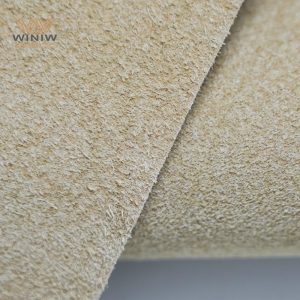
Suede refers to a type of leather created from the underside of animal hide. Manufacturers use the inner split of the skin to produce suede leather, which results in a soft, velvety texture. This material feels gentle to the touch and displays a fuzzy nap that distinguishes it from other types of leather. Suede shoes often appeal to those who value comfort and a relaxed style. The process of making suede involves sanding or buffing the inner layer, which enhances its plush surface. Suede leather remains popular for casual footwear due to its inviting appearance and tactile qualities.
Nubuck Definition
Nubuck stands out as a premium leather made from the outer side of animal hide. Craftsmen sand or buff the grain side to create nubuck leather, which gives it a fine, smooth texture. Unlike suede, nubuck offers greater durability and a more refined look. Nubuck shoes provide a matte finish that feels soft yet firm, making them suitable for both casual and formal occasions. The surface of nubuck resists wear better than suede, which increases its longevity. Nubuck leather also tends to show fewer marks and scuffs, maintaining its appearance over time.
Suede vs Nubuck Origins
The origins of suede and nubuck shoes trace back to regions with strong leatherworking traditions. Both materials gained popularity in areas where skilled artisans could access quality hides and advanced tanning techniques. The development of suede nubuck shoes has accelerated in South Asia, especially in Pakistan, Sri Lanka, and Bangladesh. These countries have become notable for their growing footwear industries and unique market characteristics.
The following table highlights the regional characteristics and market growth rates for suede and nubuck shoes:
| Region | Characteristics | Market Growth Rate |
|---|---|---|
| Pakistan | Increasing footwear ownership, cost-effective solutions, growing retail presence | CAGR of 5-7% |
| Sri Lanka | Rising fashion consciousness, urban middle class, demand for eco-friendly products | CAGR of 6-8% |
| Bangladesh | Rapid urbanization, price sensitivity, growing e-commerce | CAGR of 5-7% |
Artisans in these regions have refined the production of suede leather and nubuck leather, responding to local demand for stylish and durable shoes. The market continues to expand as consumers seek footwear that balances comfort, appearance, and longevity. Suede nubuck shoes now represent a blend of tradition and innovation, shaped by regional expertise and evolving fashion trends.
Suede Shoes Explained
How Suede Is Made
Manufacturers produce suede by processing the inner split of animal hide. They select hides from cattle, goats, or pigs, then separate the underside from the grain layer. Skilled workers sand or buff the inner surface to create the signature nap. This process enhances the tactile qualities of suede and gives it a distinctive appearance. The sanding technique also increases the material’s flexibility, making it suitable for crafting shoes that prioritize comfort. Suede production requires careful attention to detail, as the thickness and uniformity of the nap affect the final product’s quality. Artisans often choose specific hides to achieve the desired softness and texture.
Suede Texture
Suede stands out for its soft, napped surface. The nap consists of tiny fibers that rise from the leather, creating a velvety feel. This texture sets suede apart from other leather types, such as full-grain or smooth leather. Full-grain leather offers a resilient and water-resistant finish, while suede’s absorbent nature makes it less suitable for wet conditions. The processing of suede from the inner split of the hide results in a softer texture, but also increases its absorbency. Suede shoes feel gentle against the skin, providing a plush sensation with every step. The nap can vary in length and density, depending on the animal source and manufacturing technique.
Note: Suede’s absorbent surface requires extra care in damp environments. Owners should avoid exposing suede shoes to rain or puddles to preserve their texture and appearance.
Suede Appearance
Suede shoes display a matte finish with a subtle sheen that changes under different lighting. The nap creates a dynamic look, as the fibers shift direction when touched or brushed. This effect gives suede shoes a unique visual depth and richness. Designers often use suede for casual and fashion-forward footwear because of its inviting appearance. The color of suede can range from natural earth tones to vibrant hues, depending on the dyeing process. Suede shoes may show marks or scuffs more easily than other leather types, but regular brushing restores their original look. The overall aesthetic of suede appeals to those who value understated elegance and tactile comfort.
- Key features of suede appearance:
- Matte finish with gentle sheen
- Visible nap that changes with movement
- Wide range of colors available
- Casual yet sophisticated style
Nubuck Shoes Explained
How Nubuck Is Made
Nubuck leather comes from the outer layer of animal hide, usually from cattle. Skilled artisans select high-quality hides for this process. They sand or buff the grain side of the leather to create a fine, velvety surface. This technique removes imperfections and enhances the material’s appearance. The sanding process also increases the leather’s strength and durability. Manufacturers often use advanced machinery to ensure consistency in texture and thickness. Nubuck production requires careful attention to detail, as the quality of the hide directly affects the final product. The result is a premium leather that combines resilience with a refined look.
Tip: Nubuck’s manufacturing process makes it more resistant to wear than suede. This durability appeals to those who need shoes for frequent use.
Nubuck Texture
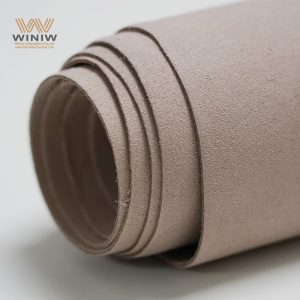
Nubuck features a unique texture that sets it apart from other types of leather. The surface feels smooth yet retains a slight nap, giving it a subtle, velvety touch. Unlike suede, which has a deeper nap, nubuck’s fibers are shorter and more tightly packed. This structure creates a soft feel while maintaining firmness. The texture also contributes to nubuck’s ability to resist scuffs and scratches. Many designers prefer nubuck for shoes that require both comfort and longevity. The tactile qualities of nubuck make it suitable for various styles, from casual to formal footwear.
- Key characteristics of nubuck texture:
- Smooth surface with a slight nap
- Firm structure that holds shape well
- Soft touch without excessive fuzziness
- Enhanced resistance to abrasion
Nubuck Appearance
Nubuck shoes display a matte finish that exudes understated elegance. The surface absorbs light, resulting in a muted sheen that complements both classic and modern designs. Nubuck’s appearance remains consistent over time, as the material resists visible marks and discoloration. Shoe makers often dye nubuck in neutral tones, such as tan, brown, or black, to highlight its natural beauty. The fine grain and subtle nap create visual depth without appearing flashy. Nubuck shoes suit individuals who value sophistication and versatility in their footwear choices.
Note: Regular brushing helps maintain nubuck’s appearance and prevents the buildup of dirt. Owners should avoid exposing nubuck shoes to excessive moisture to preserve their finish.


Key Differences: Nubuck vs Suede
Look and Feel
The look and feel of nubuck vs suede shoes represent one of the key differences that buyers notice first. Nubuck shoes display a refined, matte finish with a subtle nap. The surface feels smooth and firm, offering a sense of luxury and sophistication. Suede shoes, on the other hand, present a visibly fuzzy nap and a softer touch. The nap on suede leather creates a velvety texture that feels gentle against the skin. Designers often choose suede for footwear that emphasizes comfort and a relaxed style.
Nubuck leather provides a more uniform appearance. The fine grain and tightly packed fibers result in shoes that maintain their look over time. Suede shoes can show changes in color and texture when brushed or touched, giving them a dynamic visual effect. The soft nap of suede makes these shoes ideal for casual occasions, while nubuck suits both formal and everyday wear.
Tip: When comparing nubuck vs suede, buyers should consider how each material feels in hand and on foot. Nubuck offers a firmer structure, while suede feels plush and flexible.
Key features of look and feel:
- Nubuck: Smooth, matte finish; firm touch; subtle nap
- Suede: Fuzzy nap; soft texture; dynamic appearance
Durability
Durability stands out as a major factor in the nubuck vs suede debate. Nubuck shoes excel in strength and longevity. The outer layer of the hide used for nubuck leather gives these shoes a robust structure. Nubuck resists scuffs and abrasions better than suede. This characteristic makes nubuck footwear suitable for frequent use and demanding environments.
Suede shoes, crafted from the inner split of the hide, offer less resistance to wear. The soft nap can attract dust and show marks easily. Suede leather requires careful handling to maintain its quality. Owners often reserve suede shoes for light activities or special occasions. Nubuck shoes, by contrast, withstand daily wear and maintain their appearance longer.
| Material | Durability Level | Resistance to Scuffs | Best Use Cases |
|---|---|---|---|
| Nubuck | High | Excellent | Everyday, outdoor |
| Suede | Moderate | Fair | Casual, indoor, style |
Water Resistance
Water resistance marks another key difference between nubuck vs suede shoes. Nubuck shoes offer slightly better protection against moisture. The dense grain of nubuck leather helps repel water to some extent. However, both nubuck and suede shoes remain vulnerable to heavy rain or puddles. Suede shoes absorb water quickly due to their open nap. This absorption can lead to stains and damage if not treated properly.
Manufacturers often apply protective sprays to enhance the water resistance of both materials. Nubuck shoes benefit more from these treatments because of their tighter fiber structure. Suede shoes require frequent reapplication of water-repellent products to maintain protection. Owners should avoid exposing suede nubuck shoes to wet conditions whenever possible.
Note: Proper maintenance and timely application of protective sprays can extend the life of both nubuck and suede shoes. Water exposure remains a risk for both types, so storage in dry environments is recommended.
Water resistance characteristics:
- Nubuck: Moderate resistance; benefits from protective treatments
- Suede: Low resistance; absorbs moisture easily
Cost Comparison
The cost of nubuck shoes often exceeds the price of suede footwear. Manufacturers select premium hides for nubuck, which increases production expenses. Nubuck requires more precise sanding and finishing techniques. These factors contribute to higher retail prices. Suede shoes use the inner split of the hide, which costs less to process. Retailers offer suede shoes at more accessible price points.
Consumers should consider the value offered by each material. Nubuck shoes deliver greater durability and a refined look. Suede shoes provide comfort and a casual feel. The following table compares typical price ranges and value factors for nubuck vs suede shoes:
| Material | Average Price Range | Value Factors | Longevity |
|---|---|---|---|
| Nubuck | $80 – $200 | Premium hides, durability | High |
| Suede | $50 – $150 | Comfort, style, affordability | Moderate |
Note: Nubuck shoes represent a long-term investment for those who prioritize quality and resilience. Suede shoes suit buyers seeking style at a lower cost.
Maintenance Needs
Nubuck shoes demand regular maintenance to preserve their appearance and structure. Owners must brush the surface with a soft-bristled brush to remove dirt. Nubuck benefits from protective sprays that repel moisture and stains. Suede shoes also require frequent cleaning. The fuzzy nap attracts dust and marks easily. Owners should use a suede brush and apply water-repellent treatments.
Both materials need careful handling. Nubuck resists abrasion better, but exposure to water can cause permanent stains. Suede absorbs moisture quickly, which leads to discoloration. Proper storage in dry conditions extends the life of both types. The following list outlines essential maintenance steps for nubuck vs suede shoes:
- Brush regularly to remove surface dirt.
- Apply protective sprays for water resistance.
- Store shoes in cool, dry places.
- Avoid wearing in wet weather.
- Address stains promptly with specialized cleaners.
Tip: Consistent maintenance ensures shoes retain their look and feel. Neglecting care can reduce the lifespan of both nubuck and suede footwear.
How to Identify
Identifying nubuck vs suede shoes requires attention to texture and appearance. Nubuck features a smooth, matte surface with a subtle nap. The grain feels firm and refined. Suede displays a visibly fuzzy nap and a softer feel. The surface looks dynamic, changing with movement or brushing.
Shoppers can use these quick checks to distinguish between the two:
- Examine the surface: Nubuck appears smooth and uniform; suede shows a plush, fuzzy texture.
- Touch the material: Nubuck feels firm and slightly velvety; suede feels soft and flexible.
- Observe color changes: Suede often shifts in shade when brushed; nubuck maintains a consistent tone.
Quick Test: Run a finger across the shoe. If the surface feels smooth and resists deep marks, it is likely nubuck. If the nap shifts and leaves visible trails, the shoe is probably suede.
Understanding these key differences helps buyers select shoes that match their style and maintenance preferences. Nubuck suits those who value durability and a premium look. Suede appeals to individuals who prioritize comfort and a casual appearance.
Pros and Cons of Suede
Suede Advantages
Suede shoes offer several notable benefits that attract both casual wearers and style-conscious individuals. The material provides a soft and pleasant feel, making each step comfortable. Many consumers appreciate that suede shoes require minimal break-in time, allowing immediate comfort from the first wear. The natural breathability of suede helps keep feet cooler, especially during warmer months.
The timeless design of suede shoes remains popular across generations. Their classic look never goes out of style, which appeals to those who value enduring fashion. Suede pairs well with various clothing styles, including jeans, chinos, and outdoor wear. This versatility makes suede a practical choice for different occasions. The lighter weight of many suede shoes also contributes to ease of movement, especially compared to heavier footwear options.
Tip: Suede shoes work well for individuals who prioritize comfort and style in everyday footwear.
The following table summarizes the main advantages of suede shoes according to consumer reviews:
| Advantage | Description |
|---|---|
| Tactile comfort | Provides a soft and pleasant feel on the feet. |
| Timeless design | Classic look that never goes out of style. |
| Ease of matching | Versatile enough to pair with various clothing styles. |
| Comfortable right out of the box | Requires minimal break-in time for comfort. |
| Natural breathability | Keeps feet cooler in warm weather. |
| Versatile styling | Works well with jeans, chinos, or outdoor wear. |
| Often lighter | Generally lighter than traditional hiking boots. |
Suede Disadvantages
Despite its many strengths, suede presents several drawbacks that buyers should consider. The material absorbs moisture easily, which can lead to stains and discoloration if exposed to rain or puddles. Owners must avoid wearing suede shoes in wet conditions to preserve their appearance. Suede also attracts dust and dirt, requiring frequent cleaning and maintenance.
Scuffs and marks appear more readily on suede than on other types of leather. The fuzzy nap, while visually appealing, can show wear quickly if not cared for properly. Suede shoes may not suit individuals who need footwear for rugged or outdoor activities. The material’s delicate nature limits its durability in harsh environments.
Note: Regular brushing and protective sprays help maintain suede shoes, but neglecting care can shorten their lifespan.

Pros and Cons of Nubuck
Nubuck Advantages
Nubuck shoes offer several strengths that set them apart in the footwear market. Manufacturers use the outer layer of animal hide, which gives nubuck a robust structure. This material resists abrasion and maintains its polish over time. Many experts highlight nubuck’s durability, especially when compared to suede. The dense grain helps the shoes withstand daily wear, making them suitable for individuals who spend long hours on their feet.
Nubuck also provides better water resistance than suede. The tight fiber structure repels moisture, which helps protect the shoes during unexpected weather changes. Outdoor enthusiasts often choose nubuck for all-season hiking and moderate off-trail use. The shoes perform well on mixed terrain, offering reliable support and longevity.
Nubuck’s ability to maintain a polished look appeals to those who value appearance and practicality in their footwear.
The following table summarizes the primary benefits of nubuck shoes based on expert analysis:
| Pros | Cons | Best for |
|---|---|---|
| More durable than suede | More expensive | All-season hiking |
| Better water resistance | Needs conditioning | Moderate off-trail use |
| Maintains polish | Less breathable than suede | Mixed terrain |
| Abrasion-resistant | N/A | N/A |
Nubuck’s abrasion resistance and longevity make it a preferred choice for individuals who require shoes that can handle frequent use. The material’s ability to maintain its finish with proper care ensures that the shoes remain attractive and functional for extended periods.
Nubuck Disadvantages
Despite its strengths, nubuck presents several challenges for wearers. The material costs more than suede, which may deter budget-conscious buyers. Nubuck requires regular conditioning to preserve its water resistance and appearance. Owners must invest time and effort in maintenance, including cleaning and applying protective treatments.
Nubuck’s breathability falls short compared to suede. The dense grain restricts airflow, which can lead to discomfort during warmer months. Some users report specific issues with fit and comfort. For example, Dena Logan noted that her right shoe produced a clicking sound with each step, prompting her to return the pair. Debbie Braunstein experienced discomfort due to a short shoe box, which affected her big toe after several hours of wear. Carol Duncan found that her shoes slipped at the heel, requiring extra insoles for a secure fit.
| User | Complaint Description |
|---|---|
| Dena Logan | The right shoe clicked every time I walked, leading to a return of the shoes. |
| Debbie Braunstein | The shoe box was too short, causing discomfort to the big toe after three hours. |
| Carol Duncan | The shoes slip on the heel, necessitating the purchase of extra insoles. |
Regular conditioning and careful selection of size can help address some of these concerns, but buyers should remain aware of potential fit issues.
Nubuck shoes demand a higher level of care and attention. Owners who neglect maintenance may see a decline in water resistance and overall appearance. Individuals seeking breathable footwear for hot climates may prefer other materials. Nubuck excels in durability and style, but users must weigh these benefits against the need for ongoing care and possible comfort challenges.
Choosing Suede or Nubuck
Style Preferences
Style plays a significant role when individuals decide how to choose between nubuck and suede shoes. Nubuck offers a refined, understated look that suits both formal and casual occasions. Designers often select nubuck for shoes that require a polished finish and subtle elegance. Suede, on the other hand, provides a softer, more relaxed appearance. Many people prefer suede shoes for their velvety texture and dynamic visual effect. The nap on suede creates depth and movement, making these shoes popular for fashion-forward outfits.
Those who value versatility in their footwear often lean toward nubuck. The material adapts well to different styles, from business attire to weekend wear. Suede appeals to individuals who prioritize comfort and a casual vibe. The wide range of colors available in suede shoes allows for creative expression and personal flair. When style is the main consideration, buyers should assess the overall look they want to achieve and select the material that best matches their wardrobe.
Usage and Lifestyle
Usage scenarios and lifestyle needs strongly influence the choice between nubuck and suede shoes. Nubuck excels in environments where durability and resilience matter. People who spend long hours on their feet or require shoes for daily wear often choose nubuck for its robust structure. The material resists scuffs and maintains its appearance over time, making it suitable for active lifestyles.
Suede is ideal for formal events and social settings where appearance is crucial, such as client meetings and gallery openings. The soft texture and elegant finish of suede shoes enhance the overall impression in professional or upscale environments. For outdoor activities, especially in wet conditions, rubber rain boots remain the preferred option due to their superior functionality and protection. Nubuck shoes can handle moderate outdoor use, but they perform best in dry or mildly damp conditions.
- Usage scenarios for each material:
- Nubuck: Everyday wear, business casual, moderate outdoor activities
- Suede: Formal events, social gatherings, indoor settings
Individuals should evaluate their daily routines and select shoes that align with their activity levels and environment. Nubuck suits those who need reliable footwear for frequent use, while suede works best for occasions where style and comfort take priority.
Climate Factors
Climate conditions play a critical role in determining the suitability of suede and nubuck shoes. Suede is best suited for dry environments due to its high water absorption rate, which makes it vulnerable to moisture. When exposed to wate