


When I first learned about pu safety shoes, I discovered that PU stands for polyurethane. This material gives shoes a strong balance between protection and comfort. I see how pu material shoes help people stay safe at work without feeling heavy or stiff. These shoes offer safety for different jobs and environments. People choose them because they deliver reliable protection and long-lasting comfort.
Key Takeaways
- PU safety shoes offer a perfect blend of lightweight comfort and strong protection, making them ideal for various work environments.
- Look for safety certifications like EN ISO 20347 to ensure your PU safety shoes meet essential safety standards.
- The slip-resistant PU outsole provides excellent traction on wet or oily surfaces, reducing the risk of slips and falls.
- Breathable mesh linings in PU safety shoes keep your feet cool and comfortable during long hours of wear.
- Regular maintenance, such as cleaning and air drying, helps extend the lifespan and performance of your PU safety shoes.
What Are PU Safety Shoes
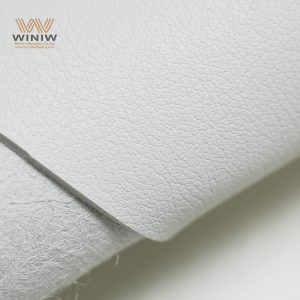

PU Material Overview
When I look at pu safety shoes, I notice that the main difference comes from the pu material. PU stands for polyurethane. I see that manufacturers use pu in protective footwear because it offers a unique mix of lightness and strength. I have worn pu material shoes at work and felt how they reduce fatigue during long shifts. The pu sole absorbs shock and cushions my feet. I find that pu material shoes resist abrasion and last longer than many other types of safety shoes.
I often compare pu material shoes to shoes made with other materials. PU does not crack or harden quickly. I see that pu stays flexible even after months of use. The surface of pu material shoes repels water and oil. I have noticed that pu material shoes do not absorb moisture, which keeps my feet dry. PU also resists chemicals, so I feel safe in environments where spills happen. I trust pu material shoes to provide protection in many work settings.
Here are some reasons why I choose pu material shoes for safety:
- PU soles feel lighter than rubber or PVC.
- PU material shoes offer better shock absorption.
- PU does not break down easily under stress.
- PU material shoes keep my feet comfortable and dry.
- PU material shoes resist oil, water, and chemicals.
Tip: I always check for pu material shoes when I need protective footwear that lasts and feels comfortable.
Safety Standards and Certifications
I know that safety matters most when I pick shoes for work. PU safety shoes must meet strict standards to ensure protection. I look for certifications like EN ISO 20347. This standard tells me that the shoes have passed tests for slip resistance, impact protection, and durability. I trust pu material shoes with this certification because they protect my feet from hazards.
I see that manufacturers label pu material shoes with safety ratings. These ratings show that the shoes meet requirements for puncture resistance and oil resistance. I always check for these marks before I buy new safety shoes. PU material shoes with proper certification give me confidence at work.
| Safety Feature | What I Look For in PU Material Shoes |
|---|---|
| Slip Resistance | Outsoles that grip wet or oily floors |
| Impact Protection | Reinforced toe caps |
| Puncture Resistance | Strong midsoles |
| Oil Resistance | PU that does not absorb spills |
| Certification | EN ISO 20347 label |
I believe that pu safety shoes stand out because they combine advanced pu material with proven safety standards. I rely on pu material shoes to keep me safe and comfortable every day.


PU Safety Shoes Features
Slip-Resistant PU Outsole
When I step onto slick floors at work, I rely on the slip-resistant outsole in pu safety shoes. The pu sole grips surfaces and gives me steady traction, even on oily or wet ground. I notice that pu material shoes offer lightweight support, so I move easily without feeling weighed down. The outsole design helps me avoid slips and falls, which keeps me safe during busy shifts. I trust the quality of pu safety shoes because the traction remains strong after months of use. I see that safety trainers and safety boots with pu outsoles perform well in demanding environments.
Tip: I always check the tread pattern on pu safety shoes before buying. Deep grooves and textured surfaces improve traction and reduce the risk of accidents.
Breathable Mesh Lining
I spend long hours in protective footwear, so breathability matters to me. Most pu safety shoes use 100% polyester mesh linings. This material lets air flow around my feet and keeps them cool. I feel less sweat and discomfort, even when I wear pu material shoes all day. The mesh lining enhances comfort and prevents odors. I find that lightweight pu safety shoes with breathable mesh help me stay focused on my work.
- 100% polyester mesh lining increases airflow.
- Breathable design keeps feet dry and comfortable.
- Mesh lining reduces heat buildup during extended wear.
Ergonomic Design and Comfort
Comfort is a top priority for me when choosing pu safety shoes. I look for ergonomic features that support my feet and reduce fatigue. Many pu material shoes include an ergonomic collar design, which lowers stress on my Achilles tendon. I notice that the Activ-Step Bio-Based Footbed gives me superior shock absorption. This feature minimizes tiredness, especially when I stand or walk for hours. The EVA cushioned midsole absorbs impact and adds comfort on different surfaces. I appreciate how pu safety shoes combine lightweight construction with ergonomic support.
- Ergonomic collar design protects the Achilles tendon.
- Activ-Step Bio-Based Footbed improves shock absorption.
- EVA cushioned midsole enhances comfort and reduces fatigue.
Durability and Robust Construction
I want my safety shoes to last through tough conditions. Pu safety shoes stand out for their durability and robust build. I see that pu material shoes resist abrasion better than PVC. Rubber also offers durability, but pu and rubber both outperform PVC, which can crack and become brittle. I trust pu safety shoes to maintain their quality and performance over time. The lightweight nature of pu means my shoes do not feel heavy, even as they remain strong. I choose pu material shoes for their long-lasting protection and reliability.
- Pu safety shoes resist abrasion and wear.
- Pu material shoes stay flexible and do not crack easily.
- Durable construction ensures safety and comfort for longer periods.
Additional Protective Features
I always look for extra protection in my safety shoes. Pu safety shoes often include puncture-resistant midsoles, which shield my feet from sharp objects. The pu material resists oil and water, so spills do not damage my shoes or compromise safety. I feel confident knowing that pu material shoes do not contain harmful substances. These features make pu safety shoes a smart choice for anyone who needs reliable protective footwear.
| Feature | Benefit |
|---|---|
| Puncture Resistance | Protects feet from nails and sharp debris |
| Oil Resistance | Prevents damage from spills |
| Water Resistance | Keeps feet dry in wet conditions |
| Absence of Harmful Substances | Ensures safe, healthy wear |
Note: I always check for these protective features when selecting pu safety shoes for work. They help me stay safe and comfortable in any environment.
PU vs Other Safety Shoes Materials
PU vs PVC
When I compare pu and PVC in safety footwear, I notice big differences in comfort and durability. I have worn both types at work. Pu feels much lighter on my feet. I can walk and stand for hours without feeling tired. PVC often feels heavier and less flexible. Over time, I see PVC soles become brittle and crack, especially in cold weather. Pu stays flexible and strong, even after months of use. I trust pu for better slip resistance, which helps me avoid accidents on wet floors. PVC costs less, but I find that pu gives me more value because it lasts longer and keeps me safer.
PU vs Rubber
I often choose between pu and rubber when I need new safety footwear. Rubber offers excellent grip and high durability. I feel confident walking on oily or slippery surfaces with rubber soles. Pu also provides good slip resistance, but it feels lighter than rubber. This makes a big difference during long shifts. I notice that both materials resist chemicals well, but rubber has a slight edge. Here is a quick comparison of chemical resistance:
| Material | % Chemical Resistance |
|---|---|
| Rubber | >85% |
| Polyurethane | >80% |
Rubber usually costs more than pu, but both last a long time. I prefer pu when I want lightweight comfort and strong protection. I pick rubber if I need maximum grip and chemical resistance.
Pros and Cons Comparison
I always look at the advantages and disadvantages before choosing safety footwear. Here is what I have learned from my experience and industry reports:
- PVC Soles
- Advantages: Low cost, good for light-use.
- Disadvantages: Poor grip, becomes brittle, less durable.
- Rubber Soles
- Advantages: Excellent grip, high durability, comfortable.
- Disadvantages: More expensive than PVC.
- Polyurethane (PU) Soles
- Advantages: Good slip resistance, lightweight, highly durable.
- Disadvantages: More expensive than PVC, but better performance.
Tip: I always choose pu for a balance of comfort, durability, and safety. It keeps my feet protected and comfortable in many work environments.


Benefits of PU Safety Shoes
Workplace Suitability
I work in environments where protection matters most. Pu safety shoes help me face workplace hazards with confidence. I choose pu material shoes because they offer lightweight comfort and strong toecap protection. When I wear safety trainers or safety boots, I notice how pu keeps my feet safe from impacts and sharp objects. The traction from pu outsoles helps me move across slippery floors without fear. I trust the quality of pu material shoes to deliver reliable safety in busy warehouses, factories, and construction sites. The shock absorption in pu soles reduces fatigue, so I stay focused on my work. I see that pu material shoes fit many jobs, from heavy-duty tasks to light industrial work.
Tip: I always pick pu safety shoes for jobs that demand both comfort and protection. They help me handle workplace hazards and keep me moving all day.
Long-Term Value
I look for affordability and durability when I buy safety shoes. Pu material shoes give me both. The lightweight design means I do not feel weighed down, even after long shifts. I notice that pu lasts longer than other materials, so I do not need to replace my shoes often. The quality construction of pu safety boots and trainers stands up to daily wear and tear. I save money because pu material shoes keep their performance over time. The traction stays strong, and the protection does not fade. I believe pu offers the best balance of affordability and durability for workers who need dependable footwear.
| Feature | Pu Material Shoes Benefit |
|---|---|
| Lightweight | Less fatigue, more comfort |
| Durability | Longer lifespan |
| Affordability | Lower replacement costs |
| Quality | Consistent protection |
Easy Maintenance
I keep my pu safety shoes in top condition with simple care. I clean them regularly to prevent dust and grime buildup. After each use, I wipe them down with a damp cloth or mild soap and water. I avoid high-pressure hoses and never submerge my shoes. I clean the outsoles to maintain traction and safety. I let my pu material shoes air dry at room temperature, away from direct heat. I avoid strong chemicals and prolonged moisture to protect the quality of my shoes. These easy steps help me extend the lifespan of my pu safety shoes and keep their performance high.
- Clean regularly to remove dust and grime.
- Wipe with damp cloth or mild soap and water.
- Avoid high-pressure hoses and submerging.
- Clean outsoles for better traction.
- Air dry at room temperature, away from heat.
- Avoid strong chemicals and moisture.
Note: I follow these maintenance tips to keep my pu material shoes safe, comfortable, and ready for work every day.
I have seen how PU safety shoes stand out with their lightweight comfort, strong protection, and easy care. These shoes give me reliable slip resistance and keep my feet dry and safe. I always recommend PU material shoes to anyone who needs dependable safety footwear. If you want shoes that last and protect in many work settings, PU safety shoes are a smart choice.
Tip: Choose PU safety shoes for all-day comfort and proven safety at work.
FAQ
What does PU stand for in safety shoes?
PU stands for polyurethane. I see this material used in the soles of safety shoes. It gives me lightweight comfort and strong protection at work.
Are PU safety shoes waterproof?
I find that PU safety shoes resist water well. The PU material repels moisture, so my feet stay dry in wet conditions. I still avoid deep puddles for best results.
How long do PU safety shoes last?
From my experience, PU safety shoes last longer than many other types. I usually get a year or more of daily use before I need a new pair.
Can I use PU safety shoes in hot environments?
Yes, I wear PU safety shoes in hot workplaces. The breathable mesh lining keeps my feet cool. The PU sole does not soften or lose shape in high temperatures.
Do PU safety shoes protect against chemicals?
PU material resists many common chemicals. I trust my PU safety shoes in environments with oil or mild chemicals. For strong acids or solvents, I check the shoe’s specific rating.