


When I choose safety shoes, I look for safety shoe upper materials that offer protection and last a long time. Thick, top-grain leather stands out for its strength. Composite and textile safety shoe uppers feel light and flexible. Mesh fabric helps my feet stay cool. I always balance durability, weight, and breathability. Good safety shoe upper materials make a real difference in comfort and safety.
Tip: Pick safety shoe uppers that match your daily work needs for the best protection.
Key Takeaways
- Choose full-grain leather for maximum durability and protection against hazards.
- Consider composite and textile uppers for lightweight comfort during long shifts.
- Opt for mesh safety shoes in hot environments for superior breathability and moisture control.
- Select synthetic materials like TPU and PU for chemical resistance and easy maintenance.
- Match your safety shoe upper material to your specific job requirements and work environment.
- Prioritize comfort and fit to ensure you can work effectively without foot fatigue.
- Regularly maintain your safety footwear to extend its lifespan and ensure ongoing protection.
- Evaluate the cost versus durability to make a smart investment in your safety footwear.
Full-Grain Leather Safety Shoe Uppers


Durability of Top-Grain Leather
Natural Strength
When I look for safety shoe upper materials that last, I always consider full-grain leather first. This natural leather stands out because it keeps the strongest fibers intact. I notice that thick, top-grain leather resists tearing and stretching much better than split leather. The dense structure gives me confidence that my shoes will hold up against tough work environments. I trust full-grain leather to protect my feet from puncture hazards and sharp objects. The natural strength of this material means I can rely on my safety footwear for long-term use.
Resistance to Wear
I have seen how full-grain leather handles daily friction and rough surfaces. In my experience, top-grain leather offers superior abrasion resistance compared to other materials. During tests, premium leather withstands significant friction, which helps prevent serious injuries from slip or high-speed slides. Rubber and other synthetic materials tend to wear out faster under similar conditions. I choose full-grain leather safety shoe uppers when I need maximum durability and protection.
Weight Considerations
Heavier but Longer Lasting
I notice that full-grain leather safety shoe uppers feel heavier than textile or mesh options. The thickness adds weight, but I accept this trade-off because the shoes last much longer. When I work in demanding environments, I prefer the extra durability over lighter materials. The weight of full-grain leather means my shoes can handle repeated impacts and rough treatment without breaking down quickly. I find that the comfort improves as the leather molds to my feet over time.
Note: If you need safety and durability for heavy-duty jobs, the extra weight of full-grain leather is worth it.
Use Cases
I see full-grain leather safety shoe uppers used in many tough industries. These materials provide reliable protection in places where hazards are common. Some of the most common industries include:
- Oil & gas
- Petrochemical industries
- Machining and metalworking workshops
- Construction sites
- Mining and heavy industry
I recommend full-grain leather for jobs that demand strong protection against puncture, slip, and abrasion. The durability and comfort make these uppers a top choice for anyone working in harsh conditions.

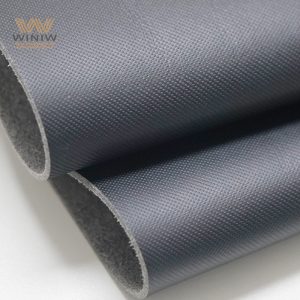
Composite and Textile Safety Shoe Upper Materials
Lightweight Benefits
Comfort for Long Wear
When I wear safety footwear made with composite or textile uppers, I immediately notice the difference in weight. These materials feel much lighter than natural leather. This makes a big impact on my comfort, especially during long shifts. I do not feel as tired at the end of the day because my shoes do not weigh me down. The lightweight design also helps me move quickly and safely across the worksite.
I often see laminated mesh fabric used in these safety shoe upper designs. This material allows for airflow, which keeps my feet cool and dry. I appreciate how the mesh fabric balances support and weight. Some manufacturers adjust the jacquard density and mesh aperture to fine-tune this balance. The result is a shoe that feels supportive but never bulky.
Here is a quick look at the main characteristics of composite and textile uppers:
| Characteristic | Description |
|---|---|
| Lightweight | The mesh fabric reduces the overall weight of safety shoes. |
| Breathable | Airflow through the material increases comfort without adding weight. |
| Durable | The structure holds up under stress, ensuring longevity. |
| Customization | Jacquard density and mesh aperture can be adjusted for support and weight. |
Heat Protection
Suitable Work Environments
I choose composite and textile safety shoe upper materials when I need protection from heat. These materials do not conduct heat like metal or natural leather. My feet stay cooler in hot environments, which helps prevent discomfort and injury. I find these uppers especially useful in industries where workers face high temperatures, such as foundries or kitchens. The materials also resist melting and burning, which adds another layer of safety.
I recommend these uppers for anyone who works around ovens, hot machinery, or in outdoor summer conditions. The breathability and heat resistance combine to keep my feet safe and comfortable.
Durability
I have tested the durability of composite and textile safety shoe upper materials in different work settings. While they do not always match the toughness of natural leather, they still offer strong protection against puncture and slip hazards. The advanced structure of these materials helps them maintain their shape and strength under daily stress. I trust them for jobs that require flexibility and lightness, but I always consider the specific risks of my workplace.
Composite and textile uppers last longer than many basic synthetics. They resist tearing and abrasion better than I expected. For most light to medium-duty jobs, these materials provide a good balance of safety, comfort, and durability.
Tip: If you want lightweight safety footwear that still offers reliable protection, composite and textile uppers are a smart choice.
Mesh Safety Shoe Uppers for Breathability

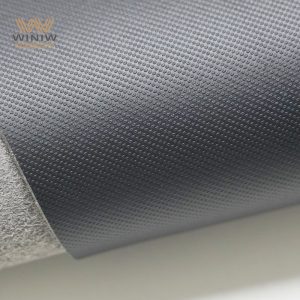
Ventilation
Keeping Feet Dry
When I wear safety footwear with mesh safety shoe upper materials, I notice a big difference in breathability. Mesh uppers feature large ventilation panels that allow air to flow freely around my feet. Unlike natural leather, which can trap heat, mesh helps keep my feet cool even during long shifts in warm conditions. I find that this airflow not only lowers the temperature inside my shoes but also helps prevent swelling, which can make steel toes feel tight and uncomfortable. The open weave design of mesh materials creates a breathable comfort that lasts all day.
I often compare mesh to other materials when it comes to moisture control. The table below shows how mesh stacks up against leather in several important areas:
| Feature | Mesh | Leather |
|---|---|---|
| Air Permeability | High – open weave allows constant airflow | Low – dense fibers restrict air movement |
| Moisture Evaporation Rate | Fast – wicks sweat efficiently | Slow – retains moisture against the foot |
| Heat Retention | Low – dissipates body heat quickly | High – traps warmth like a glove |
| Drying Time After Sweating | Under 1 hour (light use) | 4–8 hours (or longer) |
This comparison shows that mesh safety shoe uppers excel at keeping feet dry. I rarely experience sweaty feet or discomfort, even when I work in hot environments. Mesh materials wick away moisture and dry quickly, which helps prevent blisters and odors.
Tip: Choose mesh safety shoe upper materials if you want maximum breathability and moisture control during long workdays.
Comfort
All-Day Wear
I always look for comfort in my safety footwear. Mesh uppers provide a lightweight feel that makes it easy to stay on my feet all day. The flexible structure of mesh materials adapts to the shape of my foot, reducing pressure points and allowing natural movement. I find that the breathability of mesh keeps my feet fresh, which helps me focus on my job instead of worrying about discomfort. Mesh safety shoe uppers offer a soft fit that does not sacrifice protection against puncture or slip hazards.
I recommend mesh for anyone who needs breathable comfort and flexibility. The lightweight design means I do not feel weighed down, even after hours of work.
Best Applications
Mesh safety shoe uppers work best in environments where breathability and comfort matter most. I see these shoes used in:
- Warehouses and logistics centers
- Light manufacturing
- Food processing
- Service industries
- Outdoor summer jobs
I choose mesh safety footwear for jobs that require a lot of walking or standing. Mesh materials provide enough durability for light to medium-duty tasks while offering superior ventilation. If you work in a place where heat and moisture are common problems, mesh safety shoe uppers are a smart choice for protection and comfort.
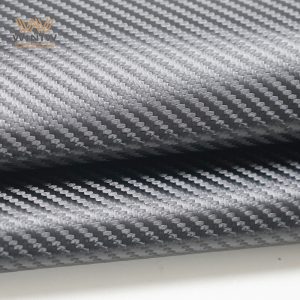

Synthetic Safety Shoe Upper Materials
Types of Synthetics
TPU and PU Features
When I look for alternatives to natural leather in safety footwear, I often choose synthetic materials like TPU (thermoplastic polyurethane) and PU (polyurethane). TPU stands out for its toughness and flexibility. I notice that it resists abrasion and slip hazards better than many other materials. PU feels lighter and softer, which adds comfort to my shoes. Both TPU and PU provide strong protection against puncture risks. I trust these synthetics to keep my feet safe in environments where sharp objects or rough surfaces are common.
I use the table below to compare the main features of TPU and PU:
| Feature | TPU | PU |
|---|---|---|
| Durability | High resistance to wear | Good, but less than TPU |
| Flexibility | Excellent | Moderate |
| Weight | Medium | Lightweight |
| Comfort | Supportive | Soft and cushioned |
| Slip Resistance | Superior | Good |
Note: I choose TPU for maximum durability and slip resistance. I pick PU when I want lightweight comfort.
Maintenance
Cleaning Tips
I find synthetic safety shoe upper materials easy to maintain. I clean TPU and PU shoes with a damp cloth. I avoid harsh chemicals because they can damage the surface. For stubborn stains, I use mild soap and water. I let my shoes air dry after cleaning. I never use direct heat because it can warp the material. Regular cleaning helps my safety footwear last longer and keeps it looking new.
Here are my quick cleaning tips:
- Wipe off dirt with a soft cloth.
- Use mild soap for tough stains.
- Air dry away from heaters or sunlight.
- Check for cracks or wear after cleaning.
Tip: Clean your synthetic safety shoe uppers often to maintain protection and comfort.
Harsh Environments
I rely on synthetic safety shoe upper materials when I work in harsh environments. TPU and PU resist chemicals, oils, and water much better than natural leather. I wear these shoes in places where spills and splashes happen often. The synthetic uppers do not absorb liquids, so my feet stay dry and safe. I also notice that these materials hold up well in cold and wet conditions. They do not crack or lose shape easily.
Synthetic safety footwear gives me reliable protection against puncture and slip hazards. I recommend these shoes for jobs in chemical plants, food processing, and outdoor work during rainy seasons. The durability and easy maintenance make synthetic uppers a smart choice for tough workplaces.
Callout: If you need safety footwear for harsh environments, synthetic materials like TPU and PU offer the best mix of durability, safety, and comfort.


Safety Shoe Upper Material Comparison
Durability
When I compare safety shoe upper materials, I always start with durability. Full-grain leather stands out in this area. I have worn leather safety footwear on construction sites and in workshops. The material resists cuts, scrapes, and daily wear. Leather lasts for years if I care for it properly. Composite and textile uppers offer good durability for lighter jobs. I notice that these materials hold up well against bending and stretching. However, they may tear if exposed to sharp objects. Mesh uppers provide less durability. I use mesh shoes for light-duty work, but I see that the open weave can snag or rip. Synthetic materials like TPU and PU impress me with their toughness. I choose synthetic safety footwear for harsh environments. These uppers resist chemicals, water, and abrasion. They keep their shape even after months of heavy use. When I need maximum protection and durability, I pick full-grain leather or TPU.
Comfort
Comfort matters to me every day. I want safety shoes that feel good from morning to night. Mesh uppers give me the best breathability. My feet stay cool and dry, especially in warm climates. The lightweight design helps me move easily. Leather shoes feel heavier, but they offer strong support and stability. I need a break-in period for leather, usually one to two weeks. After that, the shoes mold to my feet and become more comfortable. Composite and textile uppers balance comfort and support. I wear these when I need flexibility and lightness. Synthetic uppers like PU feel soft and cushioned. TPU provides more support but feels firmer. I often check user surveys to compare comfort ratings. The table below shows how mesh and leather stack up:
| Feature | Mesh | Leather |
|---|---|---|
| Breathability | Excellent | Fair to Poor |
| Durability | Fair | Excellent |
| Weight | Very Light | Moderate/Heavy |
| Support & Stability | Low/Moderate | High |
| Break-in Period | Minimal | 1–2 weeks |
| Water Resistance | Poor | Good |
| Best For | Warm climates | Wet/cold jobs |
I choose mesh for comfort in hot weather. I pick leather when I need stability and protection. Synthetic and textile uppers give me a good mix of comfort and safety.
Maintenance
I always consider how easy it is to maintain my safety footwear. Leather needs regular cleaning and conditioning. I use a damp cloth and leather cream to keep the uppers soft and strong. If I skip maintenance, leather can crack or lose its water resistance. Composite and textile uppers require less care. I brush off dirt and wash them with mild soap. Mesh shoes dry quickly after cleaning, but I avoid soaking them. Synthetic uppers like TPU and PU are the easiest to maintain. I wipe them clean with a cloth and let them air dry. These materials resist stains and water, so I spend less time on upkeep. I check my shoes often for signs of wear. Regular maintenance helps me keep my safety footwear in top condition and ensures ongoing protection.
Tip: Choose safety shoe uppers that match your work environment and maintenance routine. Well-maintained shoes last longer and keep you safe.
Cost
When I shop for safety shoes, I always look at the price tag first. Cost plays a big role in my decision, especially when I need to buy shoes for work every year. I notice that the price of safety shoe uppers depends on the material, brand, and extra features. I want to share my experience with the cost differences between full-grain leather, composite/textile, mesh, and synthetic uppers.
Full-grain leather safety shoes usually cost the most. I pay a premium for this material because it lasts longer and offers strong protection. I see prices for leather safety shoes range from $80 to $200 per pair. High-quality leather shoes often come with extra features like waterproofing or reinforced toes. I think of these shoes as an investment. I spend more upfront, but I save money over time because I do not need to replace them as often.
Composite and textile safety shoe uppers fall in the middle price range. I find these shoes for $60 to $120 per pair. The price depends on the type of textile and the design. Shoes with advanced mesh or special composite layers cost more. I choose these shoes when I want a balance between cost and comfort. I get good durability without paying the highest price.
Mesh safety shoe uppers offer the lowest cost. I see mesh safety shoes for $40 to $90 per pair. These shoes work well for light-duty jobs and warm climates. I buy mesh shoes when I need breathability and do not want to spend much. I know that mesh shoes may wear out faster, so I plan to replace them more often.
Synthetic safety shoe uppers, like TPU and PU, also provide affordable options. I find synthetic shoes for $50 to $110 per pair. TPU shoes cost a bit more because they last longer and resist harsh conditions. PU shoes feel softer and lighter, and they usually cost less. I pick synthetic shoes when I need protection from chemicals or water but want to keep my budget in check.
Here is a quick table that shows the typical price range for each safety shoe upper material:
| Material | Typical Price Range (USD) | Value for Money |
|---|---|---|
| Full-Grain Leather | $80 – $200 | High (long lifespan) |
| Composite/Textile | $60 – $120 | Good (balance) |
| Mesh | $40 – $90 | Fair (low upfront cost) |
| Synthetic (TPU/PU) | $50 – $110 | Good (easy upkeep) |
Tip: I always match my budget to my work needs. If I need shoes for tough jobs, I spend more for durability. For light work, I save money with mesh or textile uppers.
I believe that cost should not be the only factor. I look at how long the shoes will last and how much comfort they provide. Sometimes, paying a little more means I get better protection and save money in the long run. I recommend checking the warranty and return policy before buying. This helps me avoid surprises and ensures I get the best value for my money.
Choosing the Best Safety Shoe Upper
Job Requirements
When I choose safety shoes, I always start by thinking about my job tasks. I ask myself what hazards I face every day. If I work with heavy machinery or sharp tools, I pick shoes with full-grain leather uppers. Leather gives me the strongest protection against cuts and impacts. For jobs that require a lot of walking or standing, I look for lightweight composite or textile uppers. These materials help me stay comfortable during long shifts.
I also consider the type of movement my job demands. If I need to climb ladders or crouch often, I prefer shoes with flexible mesh or textile uppers. These materials bend easily and do not restrict my movement. For jobs in food processing or chemical plants, I choose synthetic uppers like TPU or PU. These resist spills and keep my feet dry.
Here is a quick checklist I use to match shoe uppers to my job:
- Heavy-duty tasks: Full-grain leather for maximum protection
- Light-duty or mobile work: Composite or textile for comfort
- Frequent bending or climbing: Mesh or textile for flexibility
- Chemical or liquid exposure: Synthetic (TPU/PU) for resistance
Tip: I always read my workplace safety guidelines before buying new shoes. This helps me pick the right material for my job.
Environment
The place where I work affects my choice of safety shoe upper. I pay attention to temperature, moisture, and surface conditions. In hot environments, I choose mesh or textile uppers. These let my feet breathe and stay cool. If I work outdoors in the rain or snow, I pick leather or synthetic uppers. These keep water out and protect my feet from cold.
I also think about the surfaces I walk on. In factories with oily floors, I need shoes with slip-resistant synthetic uppers. For dusty or sandy sites, I prefer leather because it blocks debris. In kitchens or food plants, I look for shoes that resist stains and clean easily. Synthetic materials work best for these places.
Here is a table that helps me decide which upper material fits my work environment:
| Environment | Best Upper Material | Reason |
|---|---|---|
| Hot & humid | Mesh/Textile | Breathability |
| Wet or rainy | Leather/Synthetic | Water resistance |
| Chemical exposure | Synthetic (TPU/PU) | Chemical resistance |
| Dusty/dirty | Leather | Blocks debris |
| Oily/slippery | Synthetic (TPU) | Slip resistance |
Note: I always check the weather and my work area before choosing my safety shoes for the day.
Selection Tips
I use a few simple rules to pick the best safety shoe upper for my needs. First, I match the material to my job hazards and environment. I never sacrifice safety for style or price. I look for shoes that fit well and feel comfortable from the start. If I need extra breathability, I choose mesh or textile. For tough jobs, I stick with leather or TPU.
I test the flexibility of the shoe by bending it with my hands. If the upper feels stiff, I know it will take time to break in. I check the stitching and seams for strength. I avoid shoes with loose threads or weak glue. I also read reviews from other workers. Their feedback helps me find shoes that last.
Here are my top tips for choosing safety shoe uppers:
- Identify your main workplace hazards.
- Match the upper material to your job and environment.
- Test for flexibility and comfort before buying.
- Check for strong stitching and quality construction.
- Read user reviews for real-world durability.
- Consider breathability if you work in warm areas.
- Choose water-resistant uppers for wet conditions.
- Pick chemical-resistant materials for hazardous sites.
Callout: I always remember that the right safety shoe upper keeps my feet safe and comfortable. Good shoes help me work better and avoid injuries.
I see each safety shoe upper material offers unique strengths:
- Full-grain leather gives me maximum durability.
- Composite and textile uppers keep my shoes light and flexible.
- Mesh provides the best breathability.
- Synthetic materials resist chemicals and water.
I always match my safety shoe upper to my job needs. I we