


Have you ever wondered why some jackets feel luxuriously soft inside, while others seem rough or flimsy? When I shop for fabrics, I pay close attention to microfiber suede lining because it can make a big difference in comfort and longevity. I always advise buyers to look at softness, thickness, and durability before making a decision. Every project has unique requirements, so I consider how the fabric will perform in its intended use.
Key Takeaways
- Microfiber suede lining offers a soft, plush feel that enhances comfort in jackets and bags.
- This material is durable and resists wear, making it ideal for everyday use in fashion and home goods.
- Microfiber suede is animal-friendly and often costs less than natural suede, providing great value.
- Always check the fabric’s texture and thickness to ensure quality and longevity.
- Inspect stitching and construction for durability; strong seams prevent fraying and tearing.
- Test swatches before buying to evaluate softness, color, and durability.
- Follow proper care instructions to maintain the appearance and lifespan of microfiber suede lining.
- Consider the intended use of the fabric to choose the right type of microfiber suede for your project.
What Is Microfiber Suede Lining?


Composition and Structure
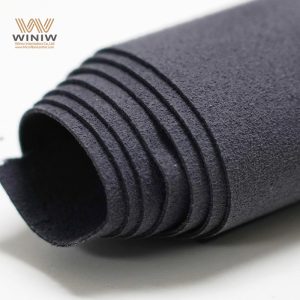
When I first learned about microfiber suede lining, I wanted to understand what makes it unique. This material uses extremely fine fibers, much thinner than a human hair. Manufacturers weave these fibers tightly to create a dense, soft surface. The result feels smooth and plush. I notice that the backing often uses a sturdy fabric, which adds strength and helps the lining hold its shape.
- The main components include:
- Microfiber filaments (usually polyester or nylon)
- A woven or non-woven backing
- Special finishes for softness or water resistance
Tip: I always check the label or ask the supplier about the fiber content. This helps me know if the material will meet my needs.
Microfiber vs. Natural Suede
I often compare microfiber suede lining to natural suede. Natural suede comes from animal hides, while microfiber uses synthetic fibers. I find that microfiber offers several advantages:
| Feature | Microfiber Suede Lining | Natural Suede |
|---|---|---|
| Source | Synthetic | Animal hide |
| Durability | High | Moderate |
| Maintenance | Easy | Requires care |
| Cost | Usually lower | Higher |
| Animal-Friendly | Yes | No |
Microfiber suede lining resists stains and water better than natural suede. I also notice that it does not fade as quickly. For people who want an animal-free option, synthetic suede provides a great alternative.
Common Applications
I see microfiber suede lining used in many products. Its soft touch and durability make it popular in fashion and home goods. Some common uses include:
- Jacket and coat linings
- Handbag and wallet interiors
- Shoe linings
- Upholstery for furniture
- Car interiors
When I select this material, I think about how it will perform in daily use. For example, I choose it for bags because it resists wear and keeps items protected. In jackets, it adds comfort and a touch of luxury.
Note: I always match the type of microfiber suede lining to the specific application. This ensures the best results and long-lasting satisfaction.

Why Microfiber Suede Lining Matters
Comfort and Durability
When I choose a lining for any project, comfort always comes first. I want the inside of a jacket or bag to feel soft against my skin. Microfiber suede lining gives a gentle, plush touch that stands out from other materials. I notice that it does not irritate or scratch, even after long use. Durability also matters to me. I have seen some linings wear out quickly, but microfiber suede lining holds up well. The dense fibers resist tearing and stretching. I often recommend this material to buyers who want their products to last. I have tested it in bags and jackets, and it keeps its shape and texture over time.
Tip: I always run my hand over the fabric to check for softness and strength. If it feels flimsy or rough, I look for a better option.
Aesthetic Appeal
I believe that appearance plays a big role in satisfaction. Microfiber suede lining offers a luxurious look that can elevate any product. The surface has a subtle sheen and a rich color. I find that it mimics real suede very well, but with more consistent quality. When I line a bag or jacket, I want the inside to look as good as the outside. This material helps me achieve that goal. It comes in many colors and finishes, so I can match it to any style. I have noticed that eco-conscious buyers often ask about sustainable materials. Many microfiber suede linings use recycled fibers, which makes them a smart choice for those who care about the environment.
- Key visual benefits:
- Smooth, even texture
- Deep, lasting color
- No animal products
Cost and Value
I always consider cost when I shop for fabrics. Microfiber suede lining usually costs less than natural suede, but it does not sacrifice quality. I get a high-end feel without the high price tag. This makes it a great value for buyers who want both performance and savings. I have found that the long-lasting nature of this material means fewer replacements and repairs. That saves money over time. I also appreciate that many suppliers offer bulk pricing, which helps on larger projects.
Note: I suggest comparing prices and features before making a final decision. Quality and value often go hand in hand with microfiber suede lining.
Key Features of High Quality Faux Suede
Texture and Softness
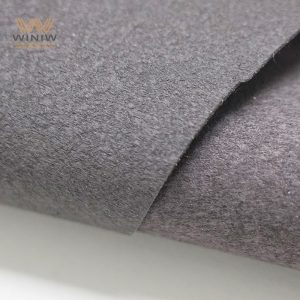
When I evaluate high quality faux suede, I always start by feeling the surface. Texture and softness set the first impression. A plush, dense nap signals a premium material. I run my hand over the fabric to check for a smooth, even feel. The best high quality faux suede never feels scratchy or stiff. Instead, it offers a gentle touch that feels comfortable against the skin.
Assessing Consistency
I look for consistency across the entire piece. High quality faux suede should have a uniform nap and texture. I avoid any fabric that feels rough in some spots and soft in others. In my experience, a dense weave helps the material maintain its shape and resist wear. I press my fingers into the surface to see if the nap bounces back. If it does, I know the fabric will hold up over time.
- I check for a plush, even nap across the surface.
- I make sure the fabric feels the same from edge to edge.
- I press gently to test if the texture returns to its original state.
Tip: I always compare several swatches side by side. This helps me spot any inconsistencies in texture or softness.
Silky vs. Slippery Feel
Not all soft fabrics feel the same. I prefer high quality faux suede that feels silky, not slippery. A silky finish glides under my hand but still offers grip. Slippery material can feel cheap and may not stay in place as a lining. I notice that high quality faux suede provides a gentle drag, which adds to the sense of luxury. If the fabric feels too slick, I move on to another option.
Thickness and Density
Thickness and density play a big role in the performance of high quality faux suede. I always check these features before making a purchase. A dense, substantial fabric signals durability and comfort. Thin or flimsy material often wears out quickly and fails to protect the items it lines.
Uniformity Check
I hold the fabric up to the light to check for even thickness. High quality faux suede should not have thin spots or uneven areas. I run my fingers along the surface to feel for any changes in density. Consistent thickness means the material will last longer and provide better support.
- I look for a solid, uniform feel throughout the fabric.
- I avoid any material that feels weak or patchy.
Weight Considerations
Weight affects how the material drapes and performs. I choose a weight that matches the intended use. For jacket linings, I prefer a medium weight that adds comfort without bulk. For bags or upholstery, I select a heavier high quality faux suede for extra durability. I always ask the supplier for the weight per square yard or meter. This helps me compare options and pick the right one for my project.
Note: A heavier fabric often means better durability, but too much weight can make a garment feel stiff.
Color Uniformity
Color makes a big difference in the final look of any project. High quality faux suede should have rich, even color throughout. I inspect the fabric under natural light to see if the shade stays consistent. Uneven dye or blotchy spots signal poor quality.
Spotting Blotches
I spread the material out and look for any areas that appear lighter or darker. Blotches or streaks can ruin the appearance of a finished product. I always reject any high quality faux suede that shows signs of uneven coloring. Consistent color means the manufacturer took care during production, which usually reflects better overall quality.
Tip: I recommend checking both sides of the fabric. Sometimes, flaws appear on the back that are not visible on the front.
Stitching and Construction
When I inspect microfiber suede lining, I always pay close attention to the stitching and construction. These details reveal a lot about the fabric’s overall quality and how well it will hold up in daily use. I believe that strong stitching and careful construction separate premium faux suede from cheaper alternatives.
Durability Indicators
I look for several signs that show the lining will last. First, I check the type of stitching. Tight, even stitches signal good craftsmanship. Loose or uneven stitches often mean the fabric will come apart quickly. I also examine the seam allowance. A generous seam allowance gives extra strength and helps prevent the lining from tearing at the seams.
Here are the durability indicators I always check:
- Stitch Type: I prefer double stitching or reinforced seams. These methods add strength and help the lining resist stress.
- Stitch Density: I count the stitches per inch. More stitches mean better durability. I aim for at least 8-10 stitches per inch.
- Seam Allowance: I measure the distance from the edge to the stitch line. A wider allowance means the lining can handle more wear.
- Thread Quality: I look for strong, smooth thread. Weak or fuzzy thread can break easily.
Tip: I gently tug at the seams to test their strength. If the stitches hold and the fabric does not pull apart, I know the construction is solid.
Fraying Risks
Fraying can ruin the look and function of microfiber suede lining. I always check the edges of the fabric before making a purchase. High quality faux suede should have clean, finished edges. Raw or unfinished edges tend to fray, especially after washing or heavy use.
I use these steps to spot fraying risks:
- I inspect the cut edges for loose fibers or threads.
- I rub the edge between my fingers to see if it sheds.
- I look for overlocking or binding on the edges. These finishes prevent fraying and add durability.
If I see any signs of fraying, I avoid that fabric. Fraying not only affects appearance but also shortens the lifespan of the lining. I always ask the supplier if the fabric has been pre-treated to resist fraying.
Note: I recommend requesting a small swatch and testing it at home. I cut a small piece and wash it to see if the edges stay intact. This simple test helps me avoid costly mistakes.
By focusing on stitching and construction, I make sure the microfiber suede lining I choose will last and look great in any project.
Evaluating Microfiber Suede Lining Quality
Step-by-Step Checklist
When I want to make sure I am choosing the best microfiber suede lining, I follow a clear checklist. This helps me avoid mistakes and ensures I get the right material for my project. Here are the steps I use to evaluate quality:
- Material Quality: I check if the suede is genuine or synthetic. This affects how soft the fabric feels and how easy it is to care for.
- Padding Density: I press on the lining to see if the internal foam is firm. A good lining should hold its shape and protect items inside.
- Lining Type: I look for microfiber or satin linings. These types reduce friction and prevent rough seams.
- Closure Mechanism: I test snaps or magnets to see if they keep the lining secure. A strong closure adds to the overall quality.
- Dimension Accuracy: I measure the space to make sure my items fit well. Accurate dimensions prevent bunching or gaps.
- Color Fastness: I rub a light cloth on darker suede to check for dye bleeding. This step helps me avoid stains on other fabrics.
- Eco-Certifications: I ask about certifications like OEKO-TEX®. These show the material meets safety and sustainability standards.
Tip: I always bring a small ruler and a white cloth when I shop for lining fabrics. These tools help me check measurements and color fastness quickly.
Questions for Suppliers
I never hesitate to ask suppliers direct questions. This helps me learn more about the microfiber suede lining and avoid surprises later. Here are some questions I always ask:
- What is the fiber content of this lining?
- Has the fabric been tested for color fastness?
- Does the material have any eco-certifications?
- What is the recommended care method?
- Are there any treatments to prevent fraying?
- Can you provide a sample or swatch for testing?
- What is the weight per square yard or meter?
I find that suppliers who answer these questions clearly usually offer better quality products. If a supplier cannot provide details, I look for another source.
Note: I write down the answers so I can compare different options later.
Swatch Testing
Before I make a final decision, I always test a swatch of the microfiber suede lining. This hands-on step gives me confidence in my choice. I use the swatch to check texture, color, and durability.
- I rub the swatch between my fingers to feel the softness.
- I stretch the fabric gently to see if it returns to its shape.
- I wash the swatch to check for fraying or color loss.
- I place the swatch next to other materials to see if the color matches.
When I evaluate a faux suede bag, I use the same swatch testing method. This helps me judge how the lining will perform in real use. Swatch testing saves me from costly mistakes and ensures I get the best quality for my project.
Tip: I recommend keeping a notebook with notes and swatches from each supplier. This makes it easier to compare and choose the best option.
| Test Type | What I Look For | Why It Matters |
|---|---|---|
| Texture | Soft, even surface | Comfort and appearance |
| Stretch | Returns to shape | Durability |
| Wash Test | No fraying or fading | Longevity |
| Color Match | Consistent shade | Visual appeal |
By following these steps, I feel confident that I am choosing microfiber suede lining that meets my standards for quality and performance.


Red Flags and Mistakes to Avoid
When I shop for microfiber suede lining, I always watch for warning signs that signal poor quality or potential problems. Over the years, I have learned to spot these issues quickly. Let me share the most common red flags and mistakes buyers should avoid.
Poor Quality Signs
Thinness and Uneven Texture
Thin or uneven fabric often means the manufacturer cut corners. I run my hand across the surface to check for consistent thickness. If I feel thin spots or rough patches, I know the material will not last. Thin lining tears easily and fails to protect the inside of jackets or bags. Uneven texture also makes the finished product look cheap.
Tip: Hold the fabric up to the light. If you see areas that look see-through or patchy, choose a different option.
Shedding and Pilling
Shedding and pilling frustrate me the most. I rub the fabric gently to see if fibers come off on my hand. Shedding means the fibers are loose and will wear away quickly. Pilling happens when small balls form on the surface after use or washing. Both problems ruin the look and feel of the lining.
| Problem | What I Notice | Why It Matters |
|---|---|---|
| Shedding | Loose fibers appear | Reduces durability |
| Pilling | Small balls form | Looks worn out fast |
If I spot shedding or pilling during swatch testing, I reject the fabric immediately.
Ignoring Care Instructions
Many buyers forget to check care instructions. I always ask the supplier how to clean and maintain the lining. Some microfiber suede needs gentle washing or special detergents. Ignoring these instructions can cause fading, shrinking, or damage. I read the label and follow the recommended care steps. This keeps the lining looking new and extends its lifespan.
Note: I save care instructions in my project notebook. This helps me avoid mistakes when cleaning or storing items.
Overlooking Application Needs
Choosing the wrong lining for the intended use leads to disappointment. I think about where and how I will use the fabric. For jackets, I want a soft, breathable lining. For bags, I need something sturdy and protective. If I pick a lining that does not match the application, the product may wear out quickly or feel uncomfortable.
- I list my project needs before shopping.
- I match the lining features to those needs.
- I ask the supplier for recommendations if I am unsure.
Ignoring application needs wastes time and money. I always plan ahead to make sure the microfiber suede lining fits my project perfectly.
🛑 Avoid these mistakes to get the best results and enjoy your finished product for years.
Real-World Scenarios
Jacket Lining Choices
When I select microfiber suede lining for jackets, I focus on several important factors. I always check the label first. I want to know if the lining is real leather or synthetic microfiber. I test water resistance by spritzing a hidden area with water. If the water beads up, I know the lining will handle rainy days better. I read the care instructions carefully. Some linings can be wiped clean, while others need dry cleaning. I think about my local climate. If I live in a place with many rainy days, I choose a lining that resists moisture. I ask myself if I am willing to maintain the lining with protector sprays and professional cleanings. I look for jackets with reinforced seams and lined interiors. These features help the lining last longer, especially in damp conditions.
Tip: I always run my hand along the seams to check for strength. Strong seams mean the jacket will hold up over time.
Here is my checklist for jacket lining selection:
- Check the label for material type.
- Test water resistance.
- Read care instructions.
- Consider local climate.
- Decide on maintenance commitment.
- Look for reinforced seams.
Bag and Accessory Linings
When I choose microfiber suede lining for bags and accessories, I want a soft surface that protects delicate items. I notice that this lining resists fraying, pilling, and color transfer. My faux suede bags stay looking new even after months of use. The ultra-soft texture makes opening a bag feel special. I believe this adds to the brand’s premium identity. I often recommend microfiber suede lining for wallets, purses, and tech cases. It keeps the contents safe and maintains a clean appearance.
- The lining protects against scratches.
- It resists wear and tear.
- It keeps colors bright and prevents stains.
I have tested faux suede bags by carrying them daily. The lining never sheds or pills. My accessories always look fresh, and I feel confident recommending this material to others.
Note: I always check the inside of a bag before buying. A smooth, sturdy lining means better protection for my belongings.
Upholstery Considerations
I use microfiber suede lining for upholstery projects when I want a combination of comfort and durability. I find that this material works well for furniture in busy homes. The dense fibers resist stains and fading. I choose colors that match my décor and check for even dye. I prefer upholstery with reinforced stitching. This prevents fraying and keeps the lining in place. I test the fabric by sitting or leaning on it. If the lining feels soft and holds its shape, I know it will last.
I recommend microfiber suede lining for sofas, chairs, and car interiors. It adds a touch of luxury and stands up to daily use. I always ask the supplier for cleaning instructions. Easy-care linings save me time and effort.
🛋️ Tip: I keep a small swatch of the upholstery fabric. I use it to test cleaning products before applying them to the whole piece.
Care Guide for Microfiber Suede Lining

Cleaning Tips
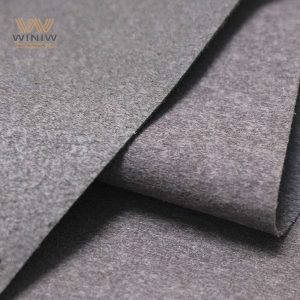
I always start with gentle cleaning methods for microfiber suede lining. I use a soft brush or lint roller to remove dust and loose particles. I avoid soaking the fabric because excess moisture can damage the nap. For regular upkeep, I vacuum the lining with a brush attachment. This method keeps the surface fresh and prevents dirt from settling deep into the fibers.
Here is my simple cleaning routine:
- Brush the surface with a suede brush.
- Use a lint roller for quick touch-ups.
- Vacuum with a soft brush attachment.
- Spot clean with a damp cloth if needed.
Tip: I never scrub the lining. Gentle strokes protect the texture and keep the nap looking plush.
Stain Removal
Stains can happen, but I handle them with care. I let the lining dry completely before I try to clean any marks. I use a suede eraser to lift stains without damaging the surface. If the stain persists, I brush gently with a suede brush. I avoid using water or heat because these can cause permanent damage.
Suede and nubuck require patience and a light touch, as these materials are especially sensitive to moisture and friction. Let suede and nubuck shoes dry fully, brush gently with a suede brush, and use a suede eraser to lift marks. Once clean, apply a light mink oil or suede safe conditioner to refresh the nap and restore softness. Spot-testing before applying oil or conditioner is recommended, and avoid cleaning suede while wet or using heat to speed drying.
I always test any cleaner or conditioner on a hidden area first. This step helps me avoid discoloration or texture changes. I use only products labeled safe for suede or microfiber. After cleaning, I let the lining air dry in a cool place.
| Stain Type | My Removal Method | What to Avoid |
|---|---|---|
| Water Spots | Blot gently, air dry | Rubbing, heat |
| Oil Stains | Use suede eraser, brush lightly | Soaking, harsh soap |
| Dirt Marks | Brush with suede brush | Scrubbing |
Storage Advice
Proper storage keeps microfiber suede lining in top condition. I store items in a cool, dry place away from direct sunlight. Sunlight can fade colors and weaken fibers. I avoid plastic bags because they trap moisture. Instead, I use breathable cotton covers or pillowcases.
I always stuff bags and jackets with tissue paper to help them keep their shape. For furniture, I cover seats with a clean cloth when not in use. I check stored items every few months to make sure the lining stays fresh.
Note: I never fold or crush items with microfiber suede lining. Creases