
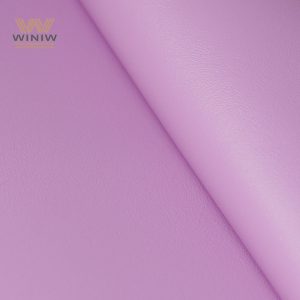

Nubuck material shoes deliver warmth and protection in winter. The unique texture of nubuck resists moisture and blocks cold air, offering reliable insulation. Vegan shearling inside many nubuck material shoes creates a cozy environment for feet. Compared to standard leather or canvas, nubuck material shoes keep feet dry and shielded. Many choose nubuck shoes for snowy sidewalks and chilly mornings. The benefits of nubuck extend to durability and style. Boots crafted from nubuck material shoes handle harsh conditions with ease. The benefits of nubuck include superior comfort and long-lasting wear.
Key Takeaways
- Nubuck shoes keep feet warm and dry in winter due to their moisture-resistant properties.
- Vegan shearling lining adds extra comfort and warmth, making these shoes a cozy choice for cold weather.
- Nubuck material is durable and stylish, suitable for both casual and formal outfits.
- Regular care, like applying waterproof spray, helps maintain the quality and lifespan of nubuck shoes.
- Nubuck boots pair well with various outfits, making them a versatile addition to any winter wardrobe.


What Is Nubuck?
Nubuck Material Shoes Defined
Nubuck stands out as a premium choice for winter footwear. Manufacturers create nubuck by sanding the outer surface of full-grain leather, resulting in a velvety texture that feels soft yet remains tough. Nubuck leather offers a unique combination of durability and comfort. Skilled artisans source high-quality suede, such as Desert Oasis suede from the Charles F. Stead tannery, to begin the process. They hand-inspect, cut, and sew each piece, shaping the uppers and crimping the heel and toe. Features like a nubuck collar and full nappa lining enhance the shoe’s structure. The upper joins an Italian-made midsole and Vibram outsole, followed by hot-pressing and cooling to ensure lasting strength. Final inspection guarantees that each pair meets high standards.
Nubuck leather provides a refined look and superior performance, making it a preferred material for boots and shoes designed for cold weather.
Unique Qualities of Nubuck
Nubuck offers several advantages over other materials. The surface resists scuffs and stains, maintaining its appearance through daily wear. Nubuck vs suede often sparks debate among footwear enthusiasts. Nubuck features a tighter grain and greater resistance to moisture, while suede tends to absorb water more easily. Nubuck vs suede comparisons reveal that nubuck delivers better protection against winter conditions. The breathability of nubuck allows feet to stay comfortable, even during long walks. Nubuck leather also adapts well to different styles, pairing effortlessly with casual and formal outfits.
- Key qualities of nubuck:
- Water resistance
- Soft, velvety texture
- High durability
- Easy maintenance
- Versatile appearance
Nubuck remains a top choice for those seeking reliable, stylish shoes for winter and fall.
Nubuck Insulation & Comfort

Vegan Shearling Interior
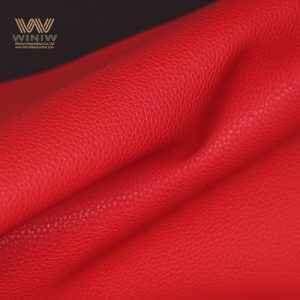
Nubuck footwear often features a vegan shearling interior. This lining provides a soft, plush layer that surrounds the foot. Vegan shearling mimics the warmth and texture of traditional wool without using animal products. Many manufacturers select vegan shearling for its ethical appeal and reliable insulation. The combination of nubuck and vegan shearling creates a barrier against cold air. Feet remain warm and protected during winter walks or commutes. The interior also cushions the foot, reducing fatigue after long hours of wear.
Tip: Shoes with vegan shearling interiors offer a cozy feel while supporting sustainable choices.
Nubuck works well with vegan shearling because its structure holds the lining securely. The material resists stretching and maintains its shape, ensuring the insulation stays in place. This partnership between nubuck and vegan shearling results in footwear that feels comfortable and performs well in cold weather.
Softness & Breathability
Nubuck stands out for its soft, velvety surface. The texture feels gentle against the skin, making each step pleasant. Unlike stiff winter boots, nubuck allows for natural movement and flexibility. The material adapts to the foot’s shape over time, enhancing the overall experience.
Breathability sets nubuck apart from other winter shoe materials. Oiled nubuck, in particular, offers water-repellent properties while allowing air to circulate. This balance keeps feet dry and prevents overheating. Many winter shoes use synthetic materials that trap moisture, but nubuck maintains a comfortable climate inside the shoe. The breathability of nubuck supports long-term wear, even during active days.
Field tests show that nubuck shoes, such as the Crispi Nevada model, excel in versatility and comfort. They perform well in moderate winter conditions but may not provide enough insulation for extreme cold. Heavier boots suit late-season activities better. Nubuck remains a top choice for everyday winter wear, offering reliable warmth and breathability.
- Key benefits of nubuck insulation and breathability:
- Maintains warmth with vegan shearling lining
- Prevents moisture buildup
- Supports all-day comfort
- Adapts to changing temperatures
- Reduces risk of overheating
Nubuck shoes combine softness, breathability, and insulation to keep feet cozy throughout the winter season.


Nubuck Durability
Weatherproof Features
Nubuck shoes excel in winter because of their impressive weatherproof features. Oiled nubuck creates a natural barrier that repels water, making these shoes ideal for wet and snowy conditions. The dense fibers in nubuck prevent moisture from seeping through, so feet stay dry during rain or snow. Many brands treat nubuck with additional waterproofing agents, which enhances its resistance to the elements. This treatment helps maintain the material’s appearance and structure over time.
Nubuck also protects against wind. The tightly woven surface blocks cold air, which keeps warmth inside the shoe. Unlike canvas or untreated leather, nubuck resists stains and scuffs, so shoes look new even after repeated exposure to harsh weather. Many winter boots use nubuck because it combines comfort with practical protection.
Note: Regularly applying a waterproofing spray can extend the life of nubuck shoes and preserve their weatherproof qualities.
Stitched Outsole Longevity
Durability defines nubuck footwear. Manufacturers often pair nubuck uppers with stitched outsoles, which increases the lifespan of the shoe. Stitched construction holds the sole firmly in place, preventing separation even after months of daily wear. This method outlasts glued soles, especially in wet or icy environments.
A stitched outsole also adds stability. The secure attachment reduces the risk of slipping or sole failure, which is important for winter safety. Nubuck’s natural strength supports the structure of the shoe, while the outsole absorbs impact from walking on rough surfaces. Many outdoor enthusiasts choose nubuck boots for their proven durability and long-term performance.
- Benefits of stitched outsoles in nubuck shoes:
- Enhanced durability
- Improved weather resistance
- Greater stability and support
- Longer wear life
Nubuck shoes with stitched outsoles offer a reliable solution for anyone seeking footwear that withstands winter’s toughest challenges.
Style & Versatility


Fashionable for Fall & Winter
Nubuck stands out as a stylish choice for cold-weather footwear. Designers select nubuck for boots because the material offers a refined look and adapts to seasonal trends. Many brands release new collections each fall, featuring boots in colors that match autumn leaves and winter landscapes. The soft, matte finish of nubuck creates a sophisticated appearance, making boots suitable for both casual and formal occasions.
Consumers gravitate toward boots crafted from nubuck due to their ability to maintain a fresh look throughout the season. The material resists scuffs, so boots retain their elegance even after repeated use. High-quality boots made from nubuck often feature subtle stitching and minimalist designs, which appeal to those who value understated style. The versatility of nubuck allows designers to experiment with color, texture, and silhouette, resulting in boots that complement a wide range of personal tastes.
The most popular color options for nubuck boots during fall and winter include brown, blue, red, green, multi-colored, and pink. The following table ranks these colors by popularity:
| Color | Popularity Rank |
|---|---|
| Brown | 1 |
| Blue | 2 |
| Red | 3 |
| Green | 4 |
| Multi-Colored | 5 |
| Pink | 6 |
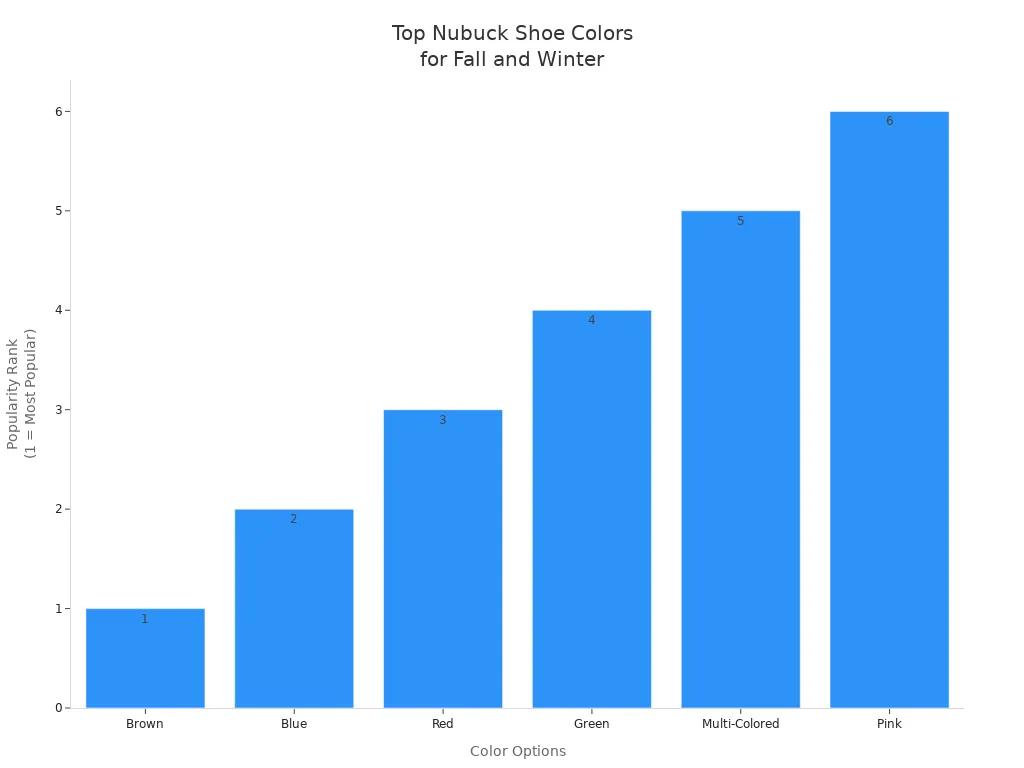
Brown boots remain the top choice, reflecting the earthy tones of the season. Blue and red boots add a bold touch, while green and multi-colored options offer playful alternatives. Pink boots provide a unique accent for those seeking something different.
Easy Outfit Pairing
Nubuck boots offer unmatched versatility when it comes to outfit pairing. The neutral shades of nubuck blend seamlessly with jeans, leggings, or wool trousers. Many people choose boots in classic colors for everyday wear, knowing that nubuck complements both muted and vibrant clothing.
Stylists recommend pairing nubuck boots with layered outfits, such as flannel shirts, knit sweaters, and tailored coats. The texture of nubuck adds depth to winter ensembles, enhancing the overall look. Boots made from nubuck transition easily from daytime activities to evening events, supporting a busy lifestyle.
Tip: Select boots in brown or blue nubuck for maximum flexibility. These colors work well with most fall and winter wardrobes.
Nubuck shoes also suit outdoor adventures and city commutes. The material’s durability ensures boots look polished after long walks or unpredictable weather. High-quality boots crafted from nubuck provide both style and function, making them a reliable choice for anyone seeking fashionable, practical footwear.

Care Tips for Nubuck
Protecting in Wet Weather
Nubuck shoes require proper care to maintain their weatherproof qualities. Owners should apply a waterproofing spray designed for nubuck before wearing the shoes in wet conditions. This treatment creates a protective layer that repels water and prevents stains. Many experts recommend reapplying the spray every few weeks during the rainy season. Shoes should dry naturally after exposure to moisture. Direct heat can damage the material and reduce its lifespan.
A simple checklist helps users protect their shoes:
- Apply waterproofing spray regularly.
- Avoid walking through deep puddles or snowdrifts.
- Allow shoes to air dry after getting wet.
- Store shoes in a cool, dry place.
Tip: Use a soft brush to remove surface dirt before applying any protective product.
Simple Cleaning Methods
Many people ask how to clean nubuck shoes without damaging the surface. The process requires gentle tools and specific products. A nubuck brush removes dust and light stains. For deeper marks, a nubuck eraser works well. Owners should avoid using water directly on the material. Instead, they can use a damp cloth to blot the area and then let the shoes air dry.
The following table summarizes recommended cleaning nubuck steps:
| Step | Tool Needed | Frequency |
|---|---|---|
| Brush off dirt | Nubuck brush | Weekly |
| Remove stains | Nubuck eraser | As needed |
| Blot moisture | Damp cloth | As needed |
| Reapply protection | Waterproof spray | Monthly |
Individuals who want to know how to clean nubuck should follow these steps for best results. Regular maintenance keeps shoes looking new and extends their lifespan. Those who practice proper cleaning nubuck techniques enjoy shoes that perform well throughout the winter.
Nubuck material boots deliver reliable weatherproofing, insulation, and comfort. These boots resist moisture and block cold air, keeping feet warm. The vegan shearling lining in many boots adds extra coziness. Stitched outsoles increase the durability of boots, making them last through harsh conditions. Designers create boots that match fall and winter styles, offering versatility for any wardrobe. Readers seeking dependable seasonal footwear should consider nubuck boots for their next purchase.


FAQ
How do boots made from nubuck handle snow and rain?
Nubuck boots resist moisture due to their dense fibers and oiled finish. Many brands add waterproofing treatments, which help keep feet dry in snowy or rainy conditions. Regular care ensures boots maintain their protective qualities throughout the winter.
Can boots with vegan shearling lining provide enough warmth for cold climates?
Boots featuring vegan shearling lining offer excellent insulation. The plush interior traps heat, keeping feet warm during cold weather. Many users report that these boots perform well for daily winter activities, though extreme cold may require additional layers.
What outfits pair best with nubuck boots for fall and winter?
Nubuck boots complement jeans, wool trousers, and layered outfits. Stylists recommend pairing boots with flannel shirts, knit sweaters, or tailored coats. Neutral colors like brown or blue allow boots to match most seasonal wardrobes.
How should owners clean and maintain nubuck boots?
Owners should use a nubuck brush to remove dirt and a nubuck eraser for stains. Applying waterproof spray monthly protects boots from moisture. Avoid direct heat when drying boots, and store them in a cool, dry place.
Are nubuck boots suitable for outdoor activities?
Nubuck boots offer durability and stability for outdoor use. Stitched outsoles provide traction and support on rough terrain. Many outdoor enthusiasts choose these boots for hiking, walking, and winter adventures.