


Selecting the best shoe lining leather directly impacts comfort. Calfskin, sheepskin, and pigskin stand out as the top types of leather for shoe linings. Each type of shoe lining leather offers distinct advantages for different needs. Calfskin provides a smooth feel, sheepskin delivers plush softness, and pigskin ensures durability. Shoe enthusiasts should match the types of leather to their personal preferences and the specific shoe style. Choosing the right shoe lining leather enhances the experience and supports healthy feet.
- Calfskin: Soft and breathable
- Sheepskin: Plush and temperature regulating
- Pigskin: Durable and moisture wicking
Key Takeaways
- Calfskin offers exceptional softness and breathability, making it ideal for sensitive feet.
- Sheepskin provides a plush feel and regulates temperature, ensuring comfort in various climates.
- Pigskin is highly durable and moisture-wicking, perfect for everyday use and rugged conditions.
- Choosing the right lining leather enhances comfort and supports healthy feet during wear.
- Calfskin and sheepskin are best for luxury and comfort, while pigskin is a budget-friendly option.
- Consider your shoe type and intended use when selecting the best lining material.
- Regular maintenance of calfskin and sheepskin is essential to preserve their quality.
- Testing the lining by wearing the shoe can help ensure it meets your comfort needs.
Calfskin Shoe Lining Leather

Comfort Features
Softness
Calfskin stands out among the types of leather for shoes due to its exceptional softness. The fine grain structure of full-grain leather in calfskin creates a smooth, supple surface that feels gentle against the foot. Many shoe manufacturers select calfskin as the preferred leather for shoes because it minimizes friction and reduces the risk of blisters. This softness makes calfskin ideal for individuals with sensitive feet or those who spend long hours in their shoes.
Breathability
Breathability remains a key factor when evaluating types of leather for shoes. Calfskin, especially when crafted from top grain leather, allows air to circulate within the shoe. This natural ventilation helps regulate temperature and keeps feet dry throughout the day. Compared to patent leather or nubuck leather, calfskin provides a more balanced environment inside the shoe, reducing moisture buildup and promoting overall foot health.
Note: Calfskin linings often work in harmony with high-density foam insoles and natural cork filling. This combination enhances comfort by providing a cushioned feel, distributing pressure evenly, and adapting to the foot’s shape over time.
- Calfskin lining offers a cushioned feel for superior comfort.
- High-density foam insoles improve pressure distribution and cushioning.
- Natural cork filling adapts to the foot, increasing support and stability.
Pros and Cons
| Pros | Cons |
|---|---|
| Exceptional softness and comfort | Higher cost than some alternatives |
| Excellent breathability | May require more care and maintenance |
| Adapts well to foot shape over time | Less resistant to water than patent leather |
| Suitable for sensitive feet | Not as rugged as pigskin or nubuck leather |
Calfskin, as a type of full-grain leather, consistently ranks high among the types of leather for shoes for its comfort and adaptability. However, it may not match the durability of pigskin or the water resistance of patent leather.
Common Uses
Calfskin shoe lining leather appears frequently in luxury footwear, dress shoes, and high-end casual shoes. Many brands choose this type of shoe leather for its premium feel and ability to mold to the wearer’s foot. Calfskin also features in bespoke shoes, where comfort and fit take priority. While some athletic shoes use top grain leather or genuine leather, calfskin remains the gold standard for formal and business footwear. Designers sometimes pair calfskin with patent leather or nubuck leather to create unique textures and finishes, further expanding its versatility among the types of leather for shoes.
Sheepskin Shoe Lining Leather


Comfort Features
Plush Feel
Sheepskin stands out among the types of leather for shoes due to its luxurious plushness. The dense, soft fibers create a gentle cushion that envelops the foot. Many people describe the sensation as walking on clouds. Sheepskin, unlike patent leather or nubuck leather, provides a tactile experience that enhances comfort during extended wear. Full-grain leather derived from sheep offers a velvety texture, making it a preferred choice for those who prioritize softness in shoe linings. The natural structure of sheepskin ensures that the lining remains supple and adapts to the contours of the foot. This adaptability reduces pressure points and supports healthy feet.
Temperature Regulation
Temperature regulation is a defining feature of sheepskin shoe leather. The fibers in full-grain leather from sheep possess unique moisture-wicking properties. Sheepskin keeps feet warm in cold conditions and cool in warmer climates. This dual action results from the natural breathability of the material, which allows air to circulate freely. Unlike synthetic alternatives or genuine leather blends, sheepskin maintains a balanced microclimate inside the shoe. Top grain leather from sheep also contributes to this effect, ensuring that feet remain dry and comfortable throughout the day. Many shoe manufacturers select sheepskin for its ability to regulate temperature without sacrificing comfort.
Tip: Sheepskin linings work well in shoes designed for all seasons. The material’s ability to wick moisture and insulate makes it suitable for both winter boots and summer loafers.
Pros and Cons
The following table outlines the main advantages and disadvantages of sheepskin shoe lining leather, focusing on longevity and care:
| Pros of Sheepskin Shoe Lining Leather | Cons of Sheepskin Shoe Lining Leather |
|---|---|
| Natural temperature regulation: keeps warm in cold weather, wicks moisture in warmth. | Higher initial cost compared to synthetic alternatives. |
| Hypoallergenic and resistant to dust mites. | Requires specific cleaning methods—cannot be machine-washed like cotton. |
| Durable and long-lasting with proper care. | Vulnerable to prolonged exposure to direct sunlight and moisture. |
| Breathable and comfortable against skin. | Not vegan; may raise ethical concerns for some consumers. |
| Eco-friendly when responsibly sourced. | Weight can be an issue in large applications (e.g., full-length coats). |
Sheepskin, as a type of full-grain leather, offers durability and comfort when maintained properly. However, it demands careful cleaning and may not suit every consumer’s ethical preferences.
Common Uses
Sheepskin appears frequently in the types of leather for shoes designed for comfort and luxury. Many brands use sheepskin linings in slippers, winter boots, and high-end casual shoes. The material’s plush feel and temperature regulation make it ideal for footwear intended for prolonged wear. Full-grain leather from sheep is also popular in orthopedic shoes, where softness and breathability are essential. Some designers combine sheepskin with patent leather or nubuck leather to create unique textures and finishes. Genuine leather blends sometimes incorporate sheepskin to enhance comfort in top grain leather shoes. Sheepskin remains a top choice among the types of leather for shoes that prioritize both comfort and performance.
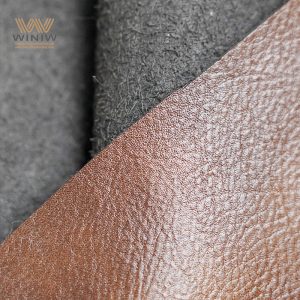

Pigskin Shoe Lining Leather
Comfort Features
Durability
Pigskin stands out among the types of leather for shoes due to its impressive durability. The structure of pigskin contains more visible pores and a less dense fiber arrangement compared to calfskin or sheepskin. This unique composition allows pigskin to resist wear and tear from daily use. Many shoe manufacturers choose pigskin when they require a lining that can withstand frequent bending and movement. Pigskin shoe leather maintains its integrity even after repeated exposure to moisture and friction. The resilience of full-grain leather from pigskin makes it suitable for shoes that experience heavy use, such as work boots or casual sneakers.
Tip: Pigskin linings often extend the lifespan of shoes, especially in environments where abrasion and stress occur regularly.
Moisture Wicking
Moisture management plays a crucial role in the comfort of shoe linings. Pigskin, as a type of full-grain leather, offers moderate moisture-wicking capabilities. The natural pores in pigskin allow some airflow, helping to reduce sweat accumulation inside the shoe. However, pigskin does not match the moisture management efficiency of calfskin, which features a denser fiber structure and smoother surface. The following table compares pigskin with calfskin and sheepskin in terms of moisture management:
| Leather Type | Characteristics | Moisture Management Impact |
|---|---|---|
| Calfskin | – Dense fiber structure – Smooth and refined surface – Superior shape retention – Higher durability – Softness combined with strength – More premium aesthetic appearance |
Better moisture management due to density and refinement. |
| Pigskin | – More visible pores – Less dense fiber structure – May lose shape faster – Positioned in a lower price segment |
Less effective moisture management due to lower density and structure. |
Sheepskin also provides excellent moisture control, especially in shoes designed for temperature regulation. Pigskin remains a practical choice for those who prioritize durability over advanced moisture management.
Pros and Cons
Pigskin offers several advantages and disadvantages as a lining material for shoes. The following points summarize its main strengths and weaknesses:
Pros:
- High resistance to abrasion and daily wear
- Lower cost compared to calfskin and sheepskin
- Easy to clean and maintain
- Suitable for shoes that require rugged performance
- Available in both full-grain leather and top grain leather options
Cons:
- Less effective moisture management than calfskin
- May lose shape faster due to lower fiber density
- Not as soft as sheepskin or calfskin
- Limited premium aesthetic compared to patent leather or nubuck leather
- Visible pores may affect appearance in luxury shoes
Note: Pigskin linings work best in shoes where function and longevity matter more than luxury or softness.
Common Uses
Pigskin appears frequently in the types of leather for shoes that prioritize durability and affordability. Many manufacturers use pigskin linings in athletic shoes, work boots, and casual footwear. The material’s rugged nature makes it ideal for shoes exposed to rough conditions or frequent movement. Pigskin shoe leather also finds use in children’s shoes, where resistance to scuffing and easy cleaning are important. Some brands combine pigskin with patent leather or nubuck leather to create shoes that balance style and practicality. Full-grain leather from pigskin remains a popular choice for everyday shoes, while top grain leather options offer a smoother finish for more refined styles. Pigskin continues to serve as a reliable option among the types of leather for shoes, especially when budget and durability take priority.


Types of Leather for Shoes: Comparison
Comfort
Comfort remains a top priority when selecting lining materials for any shoe. Calfskin, sheepskin, and pigskin each provide unique comfort benefits. Calfskin delivers a smooth, supple feel that adapts to the foot’s shape. Many luxury brands use calfskin in their shoe linings to minimize friction and prevent discomfort during long wear. Sheepskin offers a plush, cushioned sensation. The dense fibers create a soft environment, making sheepskin ideal for those who value a gentle touch inside their shoes. Pigskin, while not as soft as the other two, still provides a comfortable experience. Its structure supports the foot and resists irritation, especially in shoes designed for heavy use.
Tip: Individuals with sensitive feet often prefer calfskin or sheepskin linings for maximum comfort.
| Leather Type | Comfort Level | Notable Features |
|---|---|---|
| Calfskin | High | Smooth, adapts to foot, reduces friction |
| Sheepskin | Very High | Plush, cushioned, gentle on skin |
| Pigskin | Moderate | Supportive, less soft, durable feel |
Breathability
Breathability affects how well a shoe manages moisture and temperature. Calfskin stands out for its natural ventilation. The fine grain allows air to circulate, keeping feet dry and cool. Sheepskin excels in temperature regulation. Its fibers wick moisture away and maintain a balanced climate inside the shoe. This feature makes sheepskin suitable for both warm and cold conditions. Pigskin also offers breathability, thanks to its visible pores. However, it does not match the moisture control of calfskin or sheepskin. Pigskin works well in shoes where airflow is important but not the main concern.
- Calfskin: Best for those who need all-day dryness.
- Sheepskin: Ideal for variable climates and moisture control.
- Pigskin: Good for casual or athletic shoes needing basic ventilation.
| Leather Type | Breathability | Best Use Case |
|---|---|---|
| Calfskin | Excellent | Dress shoes, business footwear |
| Sheepskin | Very Good | All-season shoes, slippers, boots |
| Pigskin | Good | Work boots, sneakers, children’s shoes |
Durability
Durability determines how long a shoe lining will last under daily stress. Pigskin leads in this category. Its tough structure resists abrasion and maintains integrity even after repeated use. Many manufacturers select pigskin for shoes that face rough conditions. Calfskin offers a balance between durability and comfort. It holds up well with proper care but may show wear faster than pigskin. Sheepskin, while luxurious, requires more attention. It can last for years if maintained, but it is more vulnerable to moisture and abrasion.
Note: For shoes exposed to heavy wear, pigskin linings provide the best long-term value.
| Leather Type | Durability | Maintenance Needs |
|---|---|---|
| Calfskin | Good | Regular care, avoid excess moisture |
| Sheepskin | Moderate | Gentle cleaning, protect from wetness |
| Pigskin | Excellent | Easy to clean, highly resistant |
Cost
Cost plays a significant role when selecting the best lining material for any shoe. Consumers often weigh the benefits of comfort, durability, and breathability against the price. Each type of leather—calfskin, sheepskin, and pigskin—offers a distinct price point that influences the overall value of the shoe.
Calfskin typically sits at the higher end of the price spectrum. Manufacturers source calfskin from young cattle, which produces a finer grain and a softer texture. This premium quality results in a higher cost for both raw materials and finished products. Shoes lined with calfskin often appear in luxury collections and bespoke designs. Buyers who prioritize comfort and elegance may find the investment worthwhile, especially for dress shoes or business footwear.
Sheepskin also commands a premium price, though it sometimes falls slightly below calfskin. The plush feel and temperature-regulating properties of sheepskin contribute to its elevated cost. Brands use sheepskin in shoes designed for maximum comfort, such as slippers, winter boots, and orthopedic footwear. The sourcing process for sheepskin requires careful handling to preserve its softness and integrity, which adds to production expenses. Consumers seeking a gentle touch and all-season versatility should expect to pay more for shoes with sheepskin linings.
Pigskin offers a more budget-friendly alternative. The abundance of pigskin and its straightforward processing methods result in lower costs for manufacturers. Shoes featuring pigskin linings often target the casual, athletic, or workwear markets. Pigskin provides reliable durability and easy maintenance at a fraction of the price of calfskin or sheepskin. Buyers who need practical shoes for everyday use or rugged environments may prefer pigskin for its affordability.
The following table summarizes the cost comparison among the three types of leather:
| Leather Type | Cost Range | Typical Shoe Applications | Value Proposition |
|---|---|---|---|
| Calfskin | High | Luxury, dress, bespoke | Premium comfort and appearance |
| Sheepskin | Moderate to High | Slippers, boots, orthopedic | Plush feel, temperature regulation |
| Pigskin | Low to Moderate | Casual, athletic, work | Durability, affordability |
Tip: Buyers should consider the intended use of the shoe and their budget before choosing a lining material. Investing in calfskin or sheepskin may enhance comfort and longevity, while pigskin delivers solid performance at a lower price.
When evaluating cost, consumers must balance their priorities. Those who value luxury and superior comfort may lean toward calfskin or sheepskin, accepting the higher price. Individuals seeking durable, everyday shoes often select pigskin for its cost-effectiveness. The choice ultimately depends on personal needs, shoe type, and willingness to invest in premium materials.


Choosing Shoe Lining Leather
Foot Sensitivity
Individuals with sensitive feet often experience discomfort from rough or rigid materials. Selecting a lining that feels gentle against the skin can prevent irritation and blisters. Calfskin offers a smooth texture and adapts to the foot’s shape, making it a preferred choice for those who require extra softness. Sheepskin provides a plush, cushioned environment, which benefits people who need additional padding. Pigskin, while durable, may not deliver the same level of softness but remains suitable for those who prioritize resilience over comfort. Shoe manufacturers recommend testing the lining by touching it directly or wearing the shoe for a short period. People with allergies or skin conditions should seek hypoallergenic options and avoid synthetic blends that may cause reactions.
Tip: For maximum comfort, choose shoes with linings that minimize friction and offer natural breathability.
Climate Considerations
Climate plays a significant role in determining the best shoe lining leather. In hot environments, breathability becomes essential. Calfskin and pigskin allow air to circulate, keeping feet cool and dry. Sheepskin excels in temperature regulation, maintaining warmth in cold weather and wicking moisture during warmer months. Individuals living in regions with fluctuating temperatures should consider sheepskin for its versatility. Those in humid climates may prefer calfskin or pigskin, as these materials help reduce sweat buildup. Proper ventilation in the shoe lining prevents odor and supports foot health. Shoe experts suggest rotating footwear and using moisture-absorbing insoles to enhance comfort in extreme conditions.
Shoe Type
The type of shoe influences the ideal lining material. Boots require a lining that molds to the foot, offers durability, and remains breathable. Calfskin and pigskin meet these criteria, providing comfort and longevity. Loafers benefit from moderate insulation and a formal appearance, making calfskin and sheepskin suitable choices. Sneakers demand breathability and all-day comfort, which pigskin and calfskin deliver effectively. The following table summarizes the pros and cons of lining leathers for different shoe types:
| Shoe Type | Pros | Cons |
|---|---|---|
| Boots | Naturally breathable, molds to foot shape, durable | Higher cost, may require conditioning |
| Loafers | Provides moderate insulation, ideal for formal settings | Less effective in very wet conditions unless treated |
| Sneakers | Breathable, comfortable for all-day wear | May not be suitable for all weather conditions |
Selecting the right lining depends on the shoe’s intended use and the wearer’s lifestyle. People who spend long hours on their feet should prioritize comfort and support, while those seeking style may focus on appearance and texture.
Budget
Budget plays a decisive role when selecting shoe lining leather. Consumers often face a wide range of price points, which can influence both comfort and durability. Understanding how to balance cost with quality helps buyers make informed decisions that suit their needs.
The following table outlines the typical price ranges and value propositions for each leather type:
| Leather Type | Price Range | Value Proposition |
|---|---|---|
| Calfskin | High | Premium comfort, elegant appearance |
| Sheepskin | Moderate-High | Plush feel, temperature regulation |
| Pigskin | Low-Moderate | Durability, affordability |
Individuals with a flexible budget may prioritize calfskin or sheepskin for their superior comfort and luxurious feel. These materials often appear in high-end shoe collections, where craftsmanship and longevity matter most. Buyers who seek the best experience should consider investing in these options, especially for formal or business footwear.
For those with budget constraints, pigskin offers a practical solution. Pigskin provides reliable durability and easy maintenance at a lower cost. Many manufacturers use pigskin in casual and athletic shoes, making it accessible for everyday wear. Consumers who need shoes for frequent use or rugged environments often find pigskin to be the most cost-effective choice.
Tip: Buyers should compare the long-term value of each leather type. Investing in higher-quality linings may reduce the need for frequent replacements, saving money over time.
When evaluating budget, shoppers should also consider the intended use of the shoe. Occasional wear, such as special events or formal occasions, may justify a higher investment in calfskin or sheepskin. Daily wear, especially in demanding conditions, often benefits from the resilience and affordability of pigskin.
A simple checklist can help buyers match their budget to the right leather type:
- Determine the primary use for the shoe (formal, casual, athletic).
- Assess how often the shoe will be worn.
- Set a realistic budget range.
- Compare the comfort and durability features of each leather type.
- Factor in potential maintenance costs.
Selecting shoe lining leather based on budget does not mean sacrificing comfort or quality. By weighing the pros and cons of each material, buyers can find an option that meets both financial and practical needs. Matching leather type to personal preferences ensures satisfaction and long-term value.
Calfskin, sheepskin, and pigskin each deliver distinct c