


You should pick microfiber safety shoes that fit your job. Look at your workplace dress code and safety rules first. Do this before you get new shoes. Choose shoes that feel good, keep you safe, and last a long time. Microfiber safety shoes have many good things for workers in different jobs. Use this guide to help you pick your next pair.
Key Takeaways
- Pick microfiber safety shoes that match your job needs and follow workplace safety rules. This helps keep you safe. Microfiber shoes are comfortable and give good support. They help stop foot pain when you work long hours. These shoes also have safety features like steel toes. Find shoes that let your feet breathe and are easy to clean. This keeps your feet clean and comfy during your shift. Make sure your shoes have safety certifications like ASTM or EN ISO. This shows your shoes meet industry standards and protect you. Clean and check your shoes often for damage. This helps them last longer and keeps them safe to wear.
Why Microfiber Safety Shoes?
Benefits for Safety and Comfort
You want your feet to feel good during long work hours. Microfiber safety shoes give you both safety and comfort. These shoes use soft materials that fit your feet well. You will notice less rubbing and fewer blisters. Many safety footwear options feel heavy, but light safety shoes made from microfiber help you move easily. You can walk, stand, or climb without feeling tired.
Tip: Choose safety sneakers if you want the look of sneakers with the protection of safety footwear.
Microfiber safety shoes often have extra cushioning. This feature supports your feet and reduces pain. You stay focused on your job because your feet feel better. You also get protection from falling objects or sharp tools. Safety footwear with steel toes or reinforced caps keeps your toes safe. You do not have to give up comfort for safety.
Durability in Tough Work Environments
You need footwear that lasts in hard jobs. Microfiber safety shoes resist water, oil, and dirt. You can clean them easily with a damp cloth. These shoes do not crack or fade like some other materials. You get strong safety footwear that looks new for a long time.
Microfiber safety sneakers work well in many places. You can wear them in factories, kitchens, or hospitals. The material stays strong even if you use the shoes every day. You save money because you do not need to buy new footwear often.
| Feature | Benefit |
|---|---|
| Water-resistant | Keeps feet dry |
| Easy to clean | Saves time |
| Long-lasting | Reduces replacements |
You get shoes that protect you and last longer than regular sneakers.
Key Features of Safety Footwear

Ergonomics and Comfort
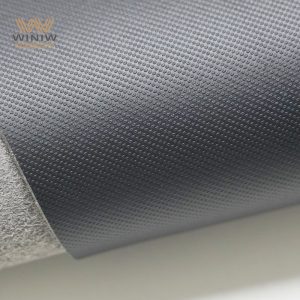
Safety footwear should support your feet all day. Good design helps you feel comfortable and stay focused. The right size stops pain and keeps you from feeling tired. Many shoes have special padding for your heels and arches. This makes it easier to move and keeps your steps steady. Lightweight shoes make your legs feel less tired. You can walk, stand, or bend without feeling heavy or stiff. Always check if the material is soft and flexible. A good fit gives your toes space and keeps your heel in place.
Tip: Try on shoes after work. Your feet may be bigger then, so you will know if the shoes fit well.
Protection Elements (Steel Toe, Slip Resistance)
You need to keep your feet safe at work. Safety footwear often has steel toe caps. These caps protect your toes from falling tools or heavy things. Slip resistance is important too. It helps you stay safe on wet or oily floors. Many jobs need special features in their shoes. For example, construction workers need shoes with soles that stop sharp things from poking through and water resistance. Warehouse workers may need shoes that stop static and have heels that absorb energy.
Here is a table that shows common safety classifications and their features:
| Classification | Key Features | Common Uses |
|---|---|---|
| S1 | Steel toe cap, anti-static properties, energy-absorbing heel | Indoor places like warehouses and light manufacturing |
| S2 | All S1 features plus water resistance | Places with moisture or outside work |
| S3 | Steel toe, puncture-resistant sole, anti-slip outsole, water-resistant materials | Construction, big projects, heavy industry |
Check your workplace rules to see what protection you need.
Hygiene and Breathability
You want your feet to stay fresh and dry. Breathable shoes are important if you work long hours. Microfiber lets air move through the shoes. This helps lower sweat and bad smells. Many shoes have linings that fight germs. Easy-to-clean surfaces keep your shoes looking new. Some shoes are waterproof, so you can wash off dirt and spills fast. Good hygiene means fewer foot problems and more comfort every day.
- Pick shoes with breathable linings.
- Find shoes that are easy to clean and dry quickly.
Industry-Specific Safety Needs
Manufacturing Protection
If you work in manufacturing, you need shoes that protect your feet. Microfiber safety shoes have strong toe protection and stop static. Check your workplace dress code and safety rules before buying shoes. Factories often want shoes that meet S1, S2, or S3 standards. These standards help you stay safe and comfortable during long shifts.
| Safety Shoe Standard | Key Features |
|---|---|
| S1 | Steel toe cap, anti-static, energy-absorbing heel |
| S2 | S1 features plus water resistance and better durability |
| S3 | Steel toe, puncture-resistant sole, anti-slip outsole, water-resistant materials |
Look for safety footwear for automotive jobs with slip resistance and waterproof features. These shoes help you avoid injuries from spills and sharp parts. Make sure your shoes fit well and have enough cushioning. You need shoes that support your feet and keep you safe.
Tip: Ask your supervisor about the best safety shoes for welders or microelectronic jobs. Some jobs need special protection.
Construction Safety
Construction sites have many dangers. You need shoes that protect you from falling objects, sharp tools, and wet places. Microfiber safety shoes give you impact protection and stop things from poking through. Check your workplace rules for shoes for wet places and waterproof shoe needs.
| Feature | Description |
|---|---|
| Impact Protection | At least 200 Joules impact protection |
| Penetration Resistance | At least 1100N penetration resistance |
| Slip Resistance | Oil-resistant and anti-slip outsole |
| Durability | Water-resistant and strong leather upper |
| Shock Absorption | Comfort for long working hours |
You need steel or composite toe caps, slip resistance, and electrical hazard ratings. These features help you avoid injuries and stay safe in bad weather. Pick light safety shoes with strong material and good design. Make sure your shoes meet safety standards and fit your feet.
Note: Construction workers must wear safety sneakers with toe protection and resistance to sharp objects.
Healthcare Comfort
Healthcare workers spend long hours on their feet. You need shoes that give you comfort and let your feet breathe. Microfiber safety shoes are light and easy to wear. They have good cushioning and anti-slip soles. Check your workplace dress code for approved shoes.
| Feature | Description |
|---|---|
| Lightweight Construction | Made from high-quality EVA material, easy to wear for long periods. |
| Excellent Cushioning | Supports and comforts your feet, reduces tiredness. |
| Anti-Slip Sole | Increases friction and stability, lowers the risk of slipping. |
| Breathable Design | Ventilation holes let air in, keep feet cool and dry. |
| Shock Absorption | EVA sole is elastic, makes walking more comfortable. |
Pick shoes that fit well and keep your feet dry. Breathable shoes help you avoid sweat and bad smells. Always choose shoes that support your steps and keep you comfortable.
Food Processing Hygiene
Food processing jobs need shoes that meet strict hygiene rules. Microfiber safety shoes are easy to clean and disinfect. Check your workplace rules for cleaning and disinfection needs.
| Standard Type | Requirement |
|---|---|
| National Standard (GB 14881-2013) | Disinfection is required; cleaning is strongly recommended. |
| Industry Standards (BRCGS, AIB, FSSC 22000) | Shoes must be controlled to stop cross-contamination; special shoes or disinfection pools needed in high-risk areas. |
| Local Standards (DB44/T 1016-2012) | Sets chlorine levels in disinfection pools (0.2%-0.3%). |
You need slip resistance and waterproof features. These help you avoid accidents and keep your feet dry. Make sure your shoes meet hygiene rules and fit your job.
Tip: Pick safety shoes that dry fast and resist stains.
Hospitality Ergonomics
Hospitality workers need shoes that feel good and look professional. Microfiber safety shoes give comfort and support for long shifts. Check your workplace dress code for approved shoes. Hotels and restaurants often want shoes with slip resistance and ergonomic design.
Pick shoes that fit well and are made from light material. Good cushioning helps you avoid tired feet. Always choose shoes that match your uniform and keep you safe.
Note: Hospitality workers need safety shoes that combine style and protection.
Service Industry Footwear
Service industry jobs have many hazards. You need shoes for electricians and other roles that protect you from electrical risks and slips. Microfiber safety shoes have electrical hazard protection and slip resistance. Check your workplace rules for approved shoes.
- Electrical Hazard Protection: Stops open electrical currents up to 600 volts.
- Slip Resistance: Lowers slip injuries on wet or greasy floors.
- Security Friendly Design: Non-metal parts make security checks easier.
- Breathable Materials: Keeps feet cool and dry during long shifts.
- Durability: Strong construction makes shoes last longer.
Pick shoes that fit well and are made from strong material. Make sure your shoes meet safety standards and support your feet.
Tip: Service industry workers need safety shoes that last long, let feet breathe, and feel comfortable.

Microfiber vs. Other Safety Footwear
Microfiber vs. Leather
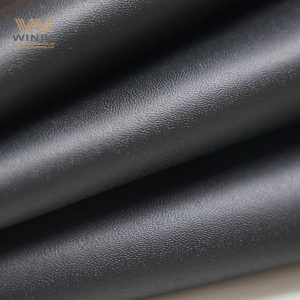
You might wonder how microfiber and leather are different. Microfiber shoes feel much lighter on your feet. Leather shoes are heavier and can feel bulky. When you clean microfiber, it dries very fast. Leather takes longer to dry and can crack as it gets old. You can wear microfiber shoes in wet places because they do not soak up water. Leather can get wet and may get ruined. Microfiber also keeps stains away, so your shoes look nice for a long time.
Tip: Pick microfiber if you want shoes that are easy to care for and light to wear.
Microfiber vs. Synthetic Materials
There are many synthetic materials in safety shoes. Microfiber is special because it is soft and bends easily. Some synthetic shoes feel stiff and do not let your feet breathe. Microfiber lets air move in and out, so your feet stay cool. It also protects your feet from oil and chemicals better. Many synthetic shoes do not last as long as microfiber sneakers.
Here is a quick comparison:
| Feature | Microfiber | Other Synthetics |
|---|---|---|
| Comfort | High | Medium |
| Breathability | Good | Fair |
| Durability | Strong | Varies |
| Water Resistance | Excellent | Good |
Pros and Cons
You should know the good and bad things before you choose your safety shoes.
Pros of Microfiber:
- Light weight makes walking easy.
- High resistance to water and stains.
- Easy to clean and dry.
- Good comfort for long hours.
Cons of Microfiber:
- May cost more than some synthetic shoes.
- Can feel less warm in cold weather.
Think about what you need for your job and how you want your feet to feel. This will help you pick the best safety shoes.

Compliance and Protection Standards
Safety Certifications
You should check for safety certifications before buying shoes. Certifications prove your shoes meet safety rules. Look for labels like ASTM, EN ISO, or OSHA. These labels mean your shoes passed tests for impact and slip resistance. Certified shoes keep you safe at work. Ask your supervisor which certifications your job needs. Certified shoes help you follow laws and avoid fines.
Tip: Certified safety shoes protect you from injuries and help you follow workplace rules.
Workplace Dress Codes
Workplace dress codes help you pick the right safety shoes. Employers must keep you safe by law. Dress codes often require protective shoes for risky jobs. Stricter rules are in places where safety is very important. Check your company’s dress code before buying new shoes. This helps you pick shoes that fit the rules and your job.
- Employers must follow safety laws.
- Dress codes may require protective shoes.
- Stricter codes protect you in dangerous jobs.
Note: Always match your safety shoes to your workplace dress code for full protection.
Recognizing Quality Brands
You should pick shoes from brands that care about safety and comfort. Good brands use special outsole technology for slip resistance. They choose microfiber for strong and comfortable shoes. Quality brands offer molded, removable footbeds for extra support. Some shoes have soft toe designs for jobs that do not need a safety toe cap. Look for these features when picking your shoes.
| Feature | Description |
|---|---|
| Outsole Technology | Patented MaxTRAX® outsole gives great slip resistance, beating ASTM standards. |
| Slip Resistance | Keeps you safe in wet or greasy places. |
| Upper Material | Microfiber lasts long and feels comfortable. |
| Footbed | Molded, removable PU cup footbed adds comfort. |
| Safety Toe | Soft toe works for jobs without toe cap needs. |
Tip: Pick brands with strong slip resistance and light designs. This makes your shoes lighter and keeps you safe.
Care and Maintenance for Safety Shoes

Cleaning and Storage
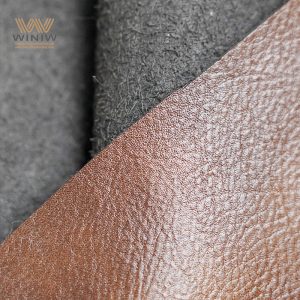
You should clean your safety shoes often to keep them in good shape. Use a damp cloth and mild soap to wipe away dirt. Do not put your shoes in the washing machine unless the label says it is safe. Let your shoes air dry in a cool place. Never put them near a heater or in direct sunlight. High heat can damage the material and lower the safety level. Store your shoes in a dry spot to stop mold and bad smells. A clean and dry place helps your footwear last longer.
Tip: Use baking soda or odor-absorbing insoles to keep your shoes smelling fresh.
Maximizing Lifespan
You can make your safety shoes last longer with a few simple steps. These habits help you get the most out of your investment and keep your feet protected.
- Clean your shoes regularly with a damp cloth and mild soap.
- Let your shoes air dry naturally. Avoid direct heat.
- Use odor-absorbing insoles or sprinkle baking soda inside.
- Rotate between two pairs to reduce wear and tear.
- Store your shoes in a cool, dry place away from sunlight.
These steps help keep the weight and comfort of your shoes just right. You will notice your shoes stay strong and look good for a longer time.
When to Replace
You need to check your safety shoes often for signs of damage. Worn-out shoes cannot protect your feet well. Look for these signs to know when it is time for a new pair:
| Sign of Damage | Description |
|---|---|
| Sole tread < recommended mm | Indicates reduced traction and safety. |
| Visible midsole exposure | Compromises the shoe’s protective structure. |
| Crushed toe cap | Reduces protection for the toes. |
| Persistent water ingress | Suggests failure in waterproofing capabilities. |
If you see any of these problems, replace your shoes right away. This keeps your safety at work and helps you avoid injuries.
Buying Checklist for Microfiber Safety Shoes
Matching Features to Industry Needs
You need to match the features of your shoes to your job. Start with a buying checklist. Look at the tasks you do each day. If you work in construction, you need strong toe protection and slip resistance. Healthcare workers need cushioning and breathability. Food processing jobs require easy-to-clean footwear. Hospitality workers want light safety shoes that look professional. Service industry jobs need electrical hazard protection and comfort. Always check if your shoes fit well. Try safety sneakers if you want the look of sneakers with extra safety.
Tip: Make sure your shoes have the right weight and support for your job.
Verifying Compliance and Quality
You must check if your safety footwear meets workplace rules. Look for safety certifications like ASTM or EN ISO. These labels show your shoes passed tests for safety. Ask your supervisor about the standards for your job. Check the brand for quality. Good brands use strong materials and offer features like removable footbeds. Read reviews from other workers. Use this checklist to help you:
| Item | What to Check |
|---|---|
| Certification | ASTM, EN ISO, OSHA labels |
| Brand Reputation | Reviews, known for safety |
| Material Quality | Microfiber, strong construction |
| Comfort Features | Cushioning, fit, lightweight |
Final Purchase Tips
You should try on your shoes before buying. Walk around to test the fit and comfort. Check the weight of the shoes. Make sure they feel light and easy to move in. Look for safety sneakers if you want style and protection. Ask about return policies. Keep your receipt in case you need to exchange your footwear. Use your buying checklist to make the best choice.
😊 Remember: The right shoes keep you safe and comfortable every day.
You can choose the best microfiber safety shoes by thinking about your job and checking your workplace rules. Focus on comfort, protection, and compliance when you pick safety footwear. Use a buying checklist to match the right shoes to your needs. Quality footwear gives you better safety and lasts longer. Invest in good shoes for strong support every day.


FAQ
How do you clean microfiber safety shoes?
You can wipe your shoes with a damp cloth and mild soap. Let them air dry in a cool place. Avoid direct sunlight or heaters. This keeps your shoes looking new and helps them last longer.
Are microfiber safety shoes waterproof?
Most microfiber safety shoes resist water. You can wear them in wet areas without worry. Always check the product label for water resistance details.
Can you wear microfiber safety shoes in cold weather?
You can wear them in cold weather, but your feet may feel less warm than in leather shoes. Wear thick socks for extra warmth.
Tip: Choose insulated insoles for better comfort in winter.
How long do microfiber safety shoes last?
You can expect your shoes to last 12 to 24 months with proper care. Check for signs of wear often. Replace your shoes if you see damage or lose protection.