
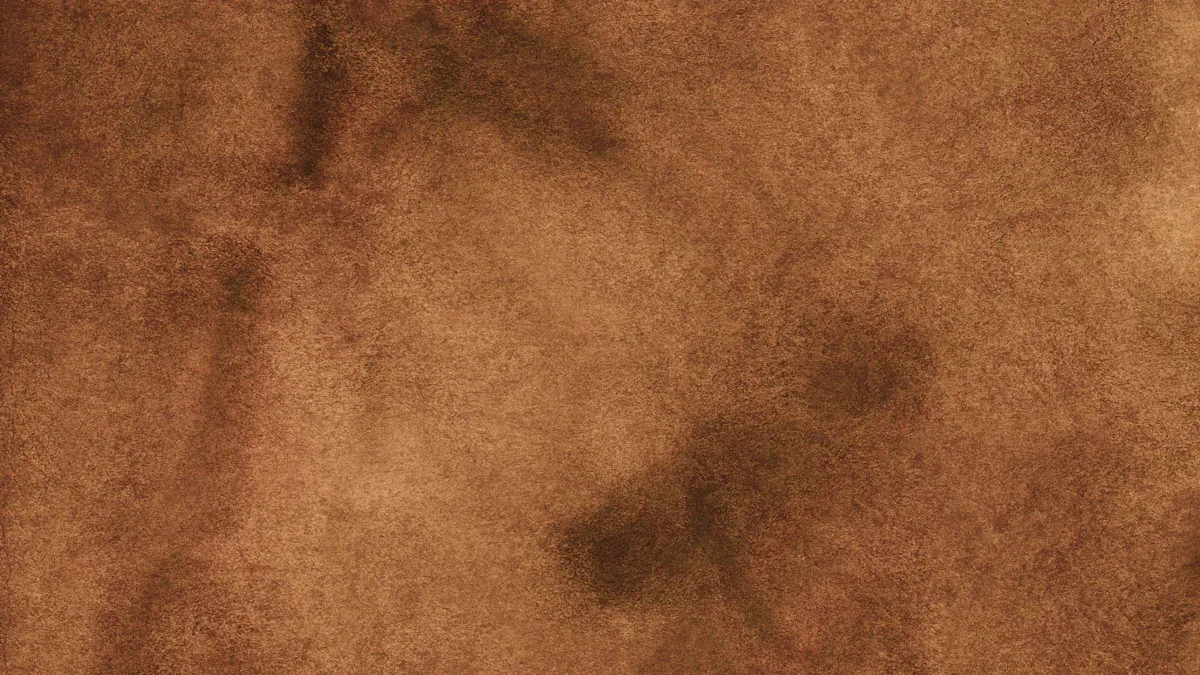
A faux suede shoe upper offers a modern alternative to traditional suede. This material provides a soft touch and matte finish that appeals to many fashion-conscious individuals. Designers use faux suede to create versatile footwear styles, enhancing both comfort and style. Many appreciate that faux suede requires simple care routines and allows for easy customization.
Awọn gbigba bọtini
- Faux suede offers a asọ, ti o tọ, and easy-to-maintain alternative to real suede, ṣiṣe ni apẹrẹ fun awọn bata ẹsẹ ojoojumọ.
- Regular cleaning and proper storage can extend the life of faux suede shoes, keeping them looking new and stylish.
- Faux suede adapts well to various shoe styles, allowing for creative customization with colors and patterns.
- When buying faux suede shoes, prioritize fit and comfort to ensure a pleasant wearing experience.
- Consider both performance and environmental impact when choosing between faux suede and real suede for your footwear.
Ohun ti o jẹ faux ogbe?
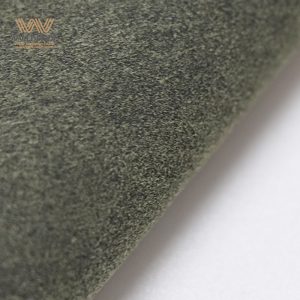
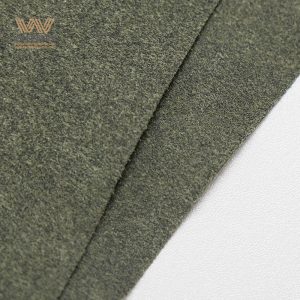
Faux suede shoe upper definition
Faux suede refers to a synthetic material designed to mimic the look and feel of genuine suede. Manufacturers use advanced textile technology to create a plush, velvety surface that closely resembles natural suede. Ni ile-iṣẹ bata bata, a faux suede shoe upper offers a soft texture, impressive durability, ati ki o rọrun itọju. The following table highlights the main characteristics of this material:
| Characteristic | Apejuwe |
|---|---|
| Soft texture | Provides a plush, velvety lero. |
| Iduroṣinṣin | More durable than genuine suede. |
| Itoju | Easier to maintain compared to genuine suede. |
Designers often choose faux suede for its versatility and ability to adapt to various shoe styles. This material allows for creative finishes and a wide range of colors, making it a popular choice in modern footwear.
How faux suede is made
Production of faux suede involves weaving fine polyester or microfiber threads into a dense, uniform fabric. Manufacturers then brush the surface to achieve a soft, matte finish that resembles real suede. This process creates a material that resists water and stains better than natural suede. The synthetic fibers provide consistent quality and color, which appeals to both designers and consumers. Faux suede also supports innovative dyeing techniques, allowing for unique patterns and shades in shoe design.
Faux suede vs. ogbe gidi
Faux suede and real suede differ in several important ways. Real ogbe ba wa ni lati underside ti eranko hides, while faux suede uses synthetic fibers. These differences affect durability, omi resistance, ati itoju. The table below compares key features:
| Ẹya ara ẹrọ | Faux Suede | Real Suede |
|---|---|---|
| Iduroṣinṣin | Giga ti o tọ | Kere ti o tọ, susceptible to damage |
| Omi Resistance | Omi sooro | Susceptible to water damage |
| Itoju | Rọrun lati nu, kekere itọju | Requires careful maintenance |
Faux suede offers greater durability and easier care, ṣiṣe awọn ti o dara fun lojojumo yiya. Real suede, while luxurious, demands more attention and can suffer from water exposure.
Environmental impact also plays a role in material selection. Real suede is biodegradable within a year, but its production uses more water and generates a higher carbon footprint. Faux suede, ti a ba tun wo lo, consumes fewer resources during manufacturing but takes much longer to break down and contributes to microplastic pollution. The table below summarizes these aspects:
| Abala | Real Suede | Faux Suede |
|---|---|---|
| Biodegradability | Biodegradable in 10-12 osu | Takes hundreds of years to break down |
| Carbon Footprint | 17.0 kg CO2e/m² | 15.8 kg CO2e/m² |
| Water Consumption | 240 liters/m² | More resource-efficient |
| Microplastic Pollution | Not applicable | Contributes to microplastic pollution |
Akiyesi: Consumers should consider both performance and environmental factors when choosing between faux suede and real suede for their next shoe purchase.


Benefits and drawbacks
Advantages of faux suede shoe uppers
A faux suede shoe upper offers several advantages for both designers and consumers. This material provides a soft touch that feels comfortable against the skin. Many people appreciate the matte finish, which gives shoes a sophisticated and modern appearance. The material adapts well to a variety of footwear, pẹlu orunkun, igigirisẹ, and casual sneakers. Designers often select faux suede because it allows for creative customization. Dye techniques can produce vibrant colors and unique patterns, making each shoe stand out.
Faux suede resists water and stains better than natural suede. This feature makes it easier to maintain and clean. The material also holds its shape well over time, which contributes to the overall durability of the shoe. Many manufacturers combine faux suede with other materials to enhance comfort and fit. The versatility of this material supports a wide range of styles, lati Ayebaye si aṣa.
Imọran: Faux suede works well for DIY projects. Beginners can experiment with different dyes or embellishments to personalize their footwear.
Drawbacks to consider
Despite its many benefits, faux suede does present some drawbacks. The synthetic nature of the material means it does not breathe as well as genuine suede. This can lead to discomfort during extended wear, especially in warm weather. Some users may notice that faux suede lacks the luxurious feel of real suede, which can affect the overall perception of quality.
The material may also show signs of wear over time, such as flattening of the nap or minor scuff marks. While faux suede resists water better than real suede, it is not completely waterproof. Prolonged exposure to moisture can still damage the shoe. Environmental concerns also arise, as faux suede contributes to microplastic pollution and takes a long time to break down.
Akiyesi: Regular care and proper storage can extend the life of faux suede footwear and help maintain its appearance.
Identifying quality faux suede
Texture and feel
Quality faux suede should offer a asọ, velvety dada that feels pleasant to the touch. When someone runs their fingers across the upper, the nap should move slightly, mimicking the behavior of genuine suede. A premium material will not feel stiff or overly slick. Dipo, it should provide a gentle resistance and a plush sensation. Many manufacturers blend faux suede with other materials to enhance comfort and fit. This combination can improve breathability and flexibility, making the shoe more enjoyable for daily wear.
Imọran: Shoppers can gently press on the surface to check for a springy response. A high-quality faux suede will quickly return to its original texture.
Durability and construction
Durability remains a key factor when evaluating faux suede shoe uppers. A well-made material resists tearing, nínàá, ati pilling. Buyers should inspect the stitching and seams, as strong construction helps maintain the shoe’s shape over time. Many brands reinforce stress points to extend the life of the footwear. Faux suede often outperforms natural suede in terms of durability, especially in environments where moisture or abrasion may occur. Shoes that combine faux suede with sturdy linings or overlays tend to last longer and provide better support.
A quick checklist for assessing durability:
- Examine the stitching for evenness and tightness.
- Check for reinforced areas at the toe and heel.
- Flex the shoe gently to ensure the upper does not crack or separate.
Appearance and color
The appearance of faux suede should closely resemble natural suede, with a consistent matte finish and even coloration. High-quality material will not show blotches or streaks. The color should appear rich and uniform, whether the shoe features classic earth tones or bold, trendy shades. Some brands use advanced dyeing techniques to achieve vibrant hues and unique patterns. Buyers should also look for a neat finish along the edges and seams, as this reflects careful craftsmanship.
| Ẹya ara ẹrọ | Kini lati Wo Fun |
|---|---|
| Surface Finish | Dan, matte, and even |
| Àwọ̀ | Aṣọ, no fading or blotches |
| Edges | Mọ, well-stitched |
Akiyesi: Consistent appearance and precise construction signal a higher-quality faux suede shoe upper.
Faux suede shoe upper maintenance


Basic cleaning tips
Proper cleaning preserves the appearance and longevity of any faux suede shoe upper. Individuals should begin by removing surface dust and dirt with a soft-bristled brush. This gentle action lifts debris without damaging the delicate nap of the material. For more stubborn spots, a suede eraser works effectively. Users can rub the eraser lightly over marks to restore the original texture.
A regular cleaning routine prevents buildup that can dull the finish. Many experts recommend brushing in one direction to maintain a uniform look. For synthetic materials, a slightly damp cloth can address minor stains, but excessive moisture should be avoided. Consistent care ensures that the footwear remains attractive and comfortable.
Imọran: Always allow shoes to air dry naturally after cleaning. Direct heat can warp or shrink the material.
Stain removal methods
Stains can occur even with careful use. Quick action often leads to better results. For liquid spills, blot the area immediately with a clean, aṣọ gbígbẹ. This step absorbs moisture before it penetrates the material. If a stain persists, white vinegar offers a safe and effective solution. Dabbing a small amount onto the affected area with a soft cloth can lift many common stains. After treatment, users should let the shoe dry and then gently brush the nap to restore its texture.
For oil-based stains, cornstarch or talcum powder can help. Sprinkling powder on the spot and letting it sit overnight draws out the oil. Ojo keji, a soft brush removes the residue. These methods work well for synthetic suede, which resists deep staining better than natural suede.
Akiyesi: Always test any cleaning method on a hidden area first to ensure colorfastness.
Storage and care
Proper storage plays a crucial role in maintaining the quality of faux suede footwear. Shoes should always be clean and completely dry before storage. Breathable options, such as cotton shoe bags or ventilated plastic boxes, prevent moisture buildup and allow air circulation. These methods reduce the risk of mold and odor.
Maintaining the shape of the shoe also matters. Shoe trees or moisture-absorbing materials help preserve the structure and prevent creasing. Individuals should avoid stacking shoes or placing heavy objects on top, as this can deform the material.
A simple checklist for optimal storage:
- Clean and dry shoes thoroughly.
- Store in breathable bags or ventilated boxes.
- Use shoe trees or moisture absorbers.
- Keep shoes away from direct sunlight and heat sources.
Iṣẹ pataki: Easy maintenance makes faux suede a practical choice for beginners. With basic cleaning and proper storage, this material can retain its appearance and comfort for many seasons.
Buying tips for faux suede shoes
Fit and comfort
Fit and comfort play a crucial role when selecting a shoe with a faux suede shoe upper. Buyers should try the shoe on and walk around the store. The material must feel soft against the foot and should not cause irritation. Many brands combine faux suede with padded linings or flexible soles. This combination improves comfort and supports the foot during daily activities. Individuals should check for snugness at the heel and toe. A well-fitting shoe prevents blisters and discomfort.
Imọran: Always measure both feet before purchasing. Feet can differ in size, and a proper fit ensures long-term satisfaction.
Style and versatility
Faux suede adapts to a wide range of shoe styles. Designers use this material for boots, loafers, igigirisẹ, ati awọn sneakers. The matte finish gives each shoe a modern look. Buyers can select classic earth tones or bold colors. Faux suede supports creative embellishments, such as embroidery or metallic accents. This versatility allows individuals to match shoes with casual or formal outfits.
| Shoe Style | Faux Suede Features |
|---|---|
| Awọn bata orunkun | Ti o tọ, aṣa, rọrun lati nu |
| Igigirisẹ | Soft touch, vibrant colors |
| Sneakers | Rọ, itura |
Price and value
Price varies based on brand, ikole, and material quality. Faux suede shoe uppers often cost less than genuine suede. Buyers should compare prices and check for features such as reinforced stitching or cushioned insoles. Value depends on durability and maintenance. A higher-quality shoe may last longer and require less care. Individuals should balance cost with expected lifespan and comfort.
Akiyesi: Investing in a well-made shoe saves money over time. Cheap options may wear out quickly and lack support.
Nibo ni lati ra
Buyers can find faux suede shoes at department stores, specialty footwear shops, and online retailers. Many brands offer detailed descriptions and sizing guides on their websites. Shopping in person allows individuals to inspect the material and try the shoe for fit. Online platforms provide a wider selection and customer reviews. Buyers should read feedback and check return policies before making a purchase.
- Department stores: Wide selection, in-person fitting
- Specialty shops: Expert advice, unique styles
- Online retailers: Convenience, orisirisi, reviews
Iṣẹ pataki: Researching brands and comparing options helps buyers find the best faux suede shoe upper for their needs.
Faux suede shoe uppers offer beginners a practical and stylish choice. This material provides a soft touch, easy cleaning, and a wide range of design options. Many appreciate the creative freedom that faux suede allows, from custom dyes to unique embellishments. Regular care keeps shoes looking new and extends their lifespan. Readers can use this guide to make informed decisions and maintain their footwear with confidence.
Imọran: Exploring faux suede shoes helps individuals discover both comfort and personal style.


FAQ
How does faux suede differ from microfiber?
Faux suede uses polyester or synthetic fibers to mimic real suede. Microfiber refers to any fine synthetic fiber. Faux suede offers a specific texture and appearance, while microfiber may feel smoother and less plush.
Can faux suede shoes withstand rain?
Faux suede resists water better than real suede. Sibẹsibẹ, prolonged exposure to moisture can cause damage. He or she should avoid wearing faux suede shoes in heavy rain to preserve their quality.
Is faux suede suitable for vegan consumers?
Faux suede contains no animal awọn ọja. Vegan consumers often choose faux suede for ethical reasons. Brands label faux suede shoes as cruelty-free and suitable for those seeking animal-friendly options.
What cleaning tools work best for faux suede?
A soft-bristled brush, suede eraser, and a clean cloth help maintain faux suede. He or she should avoid harsh chemicals. Fun awọn abawọn, white vinegar or cornstarch provides safe cleaning solutions.
Does faux suede stretch over time?
Faux suede maintains its shape well. The material rarely stretches significantly. He or she may notice minor changes with frequent wear, but quality construction prevents excessive stretching.