
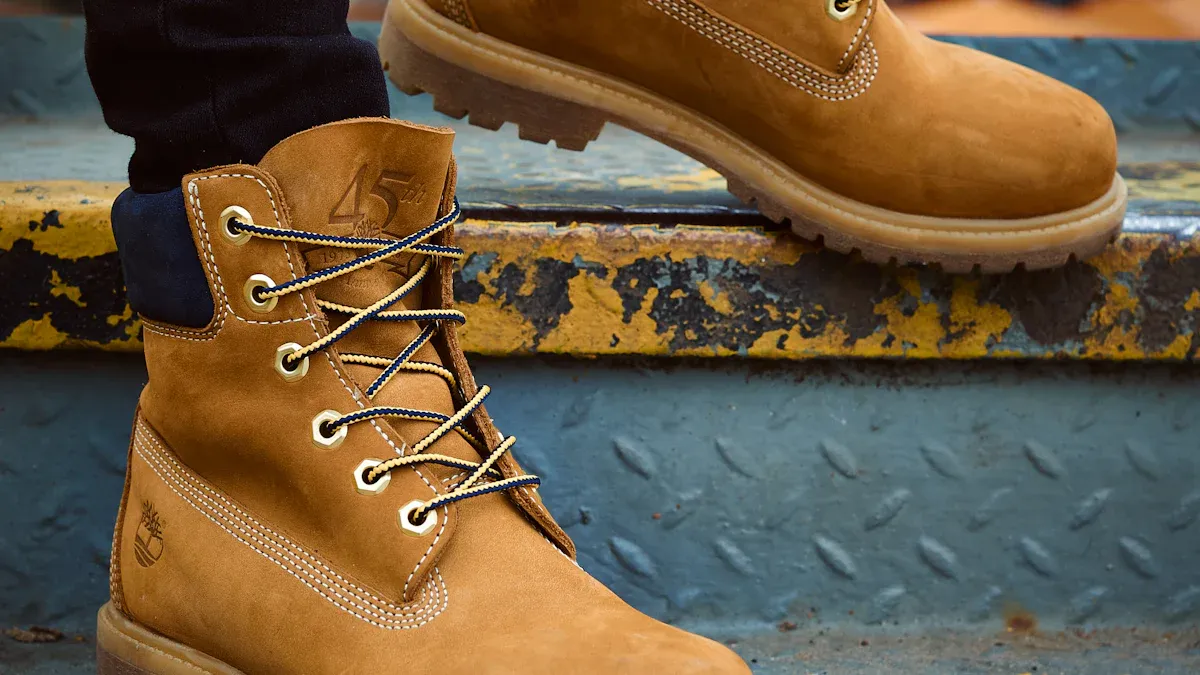
Selecting the right nubuck safety shoes can transform any work environment. Top choices include rugged work boots for construction, slip-resistant options for warehouses, chemical-resistant pairs for manufacturing, waterproof selections for outdoor jobs, lightweight styles for service roles, and cut-protected safety footwear for forestry. Matching specific features to workplace hazards and comfort needs ensures protection.
Use this guide to confidently identify the best safety shoes and stay safe every day.
Key Takeaways
- Nubuck safety shoes offer versatility for various work environments, including construction, warehouses, and outdoor jobs.
- Look for features like breathable materials, wide toe boxes, and diamond grip soles to enhance comfort and safety.
- Ensure safety shoes meet international standards like CSA and ASTM for reliable protection against workplace hazards.
- Regular cleaning and maintenance extend the lifespan of nubuck safety shoes and preserve their appearance.
- Choose footwear that balances style and safety, as nubuck shoes can enhance professionalism in customer-facing roles.
- Evaluate your work environment and identify specific hazards to select the most suitable safety footwear.
- Comfort and fit are crucial; always try on shoes with the socks you wear at work to ensure a proper fit.
- Invest in reputable brands for better durability and long-term value, as high-quality shoes provide essential safety features.
Nubuck Safety Shoes Versatility

Nubuck Leather Features
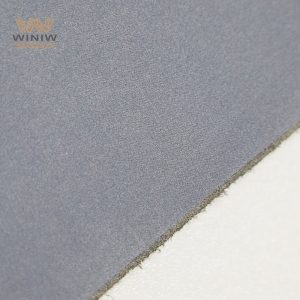
Nubuck safety shoes stand out in diverse workplaces due to their unique material properties. Nubuck leather, crafted from top-grain hides, offers a soft yet durable surface. This material resists abrasion and provides a professional appearance suitable for both rugged and customer-facing environments. Microfiber nubuck enhances breathability, keeping feet cool during long shifts. The wide toe box design allows natural toe movement, reducing fatigue and promoting comfort. Diamond grip soles deliver reliable traction on slippery surfaces, while anti-puncture insoles protect against sharp objects found in construction sites, warehouses, and outdoor settings. The adaptability of nubuck safety shoes makes them a practical choice for employees who move between different work areas.
| Feature | Description |
|---|---|
| Breathable Material | Made from microfiber nubuck for enhanced comfort. |
| Wide Toe Box | Promotes natural toe movement, reducing fatigue during long hours. |
| Diamond Grip Soles | Provides excellent traction on slippery surfaces. |
| Anti-Puncture Insoles | Offers protection against sharp objects across various terrains. |
| Comfort | Designed for all-day wear without discomfort. |
| Safety Compliance | Robust features ensure safety in environments with physical hazards. |
| Adaptability | Suitable for diverse working conditions, from warehouses to construction sites. |
Safety Standards
Nubuck safety shoes meet rigorous international safety standards, ensuring reliable protection in multiple environments. Manufacturers design these shoes to comply with requirements such as the CSA Certificate of Compliance for F2413-24, EN ISO 20345:2022 SB PS A WPA FO, and ASTM F2413:2024 SD-10 PR. These certifications guarantee that the footwear provides essential features like impact resistance, anti-slip soles, and puncture protection. Workers can trust that certified nubuck safety shoes offer consistent safety performance, whether on a construction site or in a manufacturing plant. Meeting these standards demonstrates a commitment to workplace safety and helps organizations maintain compliance with industry regulations.
- CSA Certificate of Compliance for F2413-24
- EN ISO 20345:2022 SB PS A WPA FO
- ASTM F2413:2024 SD-10 PR
Comfort & Durability
Comfort and durability define the long-term value of nubuck safety shoes. Many users report that brands such as Blundstone produce boots that become extremely comfortable after a brief break-in period. The shoes mold to the wearer’s feet, creating a personalized fit that supports all-day use. Durability remains a key advantage, with users noting that nubuck safety shoes withstand demanding activities, including hiking and heavy-duty work. Although the nubuck material may show marks and scuffs over time, these cosmetic changes do not affect the shoe’s protective qualities. Workers benefit from footwear that maintains its function and comfort across varied tasks and environments.
Tip: Regular cleaning and care help preserve the appearance and extend the lifespan of nubuck safety shoes.
Style & Appearance
Nubuck safety shoes offer more than just protection; they also deliver a polished and modern look that fits seamlessly into a variety of workplaces. Many professionals appreciate the soft, matte finish of nubuck leather, which creates a sophisticated appearance without sacrificing durability. This material resists scuffs and stains better than traditional suede, maintaining a clean and professional look even after long hours on the job.
Employers often prefer nubuck safety shoes for their teams because these shoes project a sense of professionalism. Workers in customer-facing roles, such as those in service or hospitality, benefit from footwear that complements uniforms and enhances overall presentation. In industrial settings, the sleek design of nubuck shoes helps employees feel confident and well-dressed, which can positively influence workplace morale.
Manufacturers have responded to the demand for both function and fashion by offering nubuck safety shoes in a range of colors and styles. Options include classic black or brown for a timeless look, as well as more contemporary shades for those who want to express individuality. Many models feature subtle stitching, reinforced eyelets, and branded accents that add visual interest without appearing flashy.
The following table highlights key features that contribute to the style and workplace acceptance of nubuck safety shoes:
| Feature | Description |
|---|---|
| Material | Breathable microfiber nubuck for comfort, with a lightweight fiberglass toe cap. |
| Safety Compliance | CSA Certificate of Compliance for F2413-24 and meets international performance requirements. |
| Wide Toe Box | Allows for natural toe movement, reducing foot fatigue during long hours. |
| Diamond Grip Soles | Provides impressive traction on slippery surfaces. |
| Anti-Puncture Insoles | Offers protection while walking through various terrains. |
| Sustainability | Eco-conscious production methods appeal to environmentally-conscious consumers. |
Sustainability has become a significant factor in workplace acceptance. Many companies now seek eco-conscious footwear options. Nubuck safety shoes produced with environmentally friendly methods attract workers who value sustainability. This focus on green manufacturing not only benefits the planet but also enhances a company’s reputation among employees and clients.
Comfort features, such as a wide toe box and breathable materials, contribute to the overall appeal. Workers can wear these shoes for extended periods without discomfort, which supports productivity and job satisfaction. Diamond grip soles and anti-puncture insoles add to the shoes’ versatility, making them suitable for both indoor and outdoor environments.
Note: A well-chosen pair of nubuck safety shoes can elevate a uniform, boost confidence, and meet strict safety standards—all while supporting environmental responsibility.
Nubuck safety shoes blend style, comfort, and protection, making them a preferred choice for modern workplaces. Their appearance signals professionalism, while thoughtful design details ensure they perform under pressure. Employees and employers alike recognize the value of footwear that looks as good as it protects.

Best Nubuck Safety Shoes by Environment
Construction Sites
Top Picks for Construction
Construction sites demand work boots that deliver uncompromising protection and comfort. The best safety shoes for this environment combine rugged materials, advanced support, and reliable waterproofing. Leading models include:
- Wolverine DuraShocks® SR Nubuck Work Boots
- Timberland PRO Direct Attach 6″ Nubuck Work Boots
- Caterpillar Second Shift Nubuck Safety Footwear
The following table highlights the essential features of a top-rated construction work boot:
| Feature | Description |
|---|---|
| Material | Sueded nubuck leather with rugged pigskin upper |
| Comfort | Unlined for instant comfort and lightweight |
| Construction | Direct-attach construction seals out water |
| Outsole | Slip-resistant, energy-returning Wolverine DuraShocks® SR Dual-Density polyurethane outsole |
| Footbed | Removable, double-density footbed adds cushioning and stability |
| Midsole | Tough yet lightweight polyurethane midsole |
| Weight | 75% lighter than steel |
| Stabilization | Fiberglass shank stabilizes foot and reduces fatigue |
Pros & Cons
Pros:
- Lightweight design reduces fatigue during long shifts.
- Direct-attach construction keeps feet dry in wet conditions.
- Slip-resistant outsoles provide secure footing on uneven surfaces.
- Removable footbeds offer customizable comfort and support.
- Fiberglass shank enhances stability for climbing and lifting.
Cons:
- Nubuck material may show scuffs and marks over time.
- Some models require a short break-in period for maximum comfort.
Why They Fit Construction
Construction workers face hazards such as falling objects, sharp debris, and slippery surfaces. High-quality work boots with certified safety features protect against these risks. The best safety shoes for construction combine a rugged nubuck upper with a slip-resistant outsole and a fiberglass shank for stability. Workers benefit from shock absorption and energy return, which help reduce fatigue during long hours. These work boots also offer waterproof protection, making them suitable for outdoor and indoor tasks. The lightweight build ensures that workers can move freely without sacrificing safety or comfort.
Warehouses & Logistics
Top Picks for Warehouses
Warehouse and logistics professionals need work boots that balance agility, support, and durability. The best safety shoes for this environment include:
- Keen Utility Detroit XT Nubuck Safety Footwear
- Reebok Sublite Cushion Work Boots
- Blundstone 990 Nubuck Safety Shoes
Key Features
Warehouse work involves constant movement, lifting, and exposure to slick floors. The best safety shoes for warehouses feature:
- Lightweight construction for easy movement
- Slip-resistant outsoles for traction on polished concrete
- Wide toe box for comfort during long shifts
- Removable, cushioned insoles for shock absorption
- Certified protection against impact and compression
Tip: Choose work boots with breathable linings to keep feet cool and dry during high-activity periods.
Pros & Cons
Pros:
- Lightweight design supports agility and reduces fatigue.
- Certified safety footwear meets industry standards for impact protection.
- Slip-resistant outsoles help prevent workplace accidents.
- Wide toe box and cushioned insoles enhance comfort for all-day wear.
Cons:
- Some lightweight models may offer less insulation in cold storage areas.
- Nubuck uppers require regular cleaning to maintain appearance.
Manufacturing & Industrial
Top Picks for Manufacturing
Manufacturing and industrial settings require work boots that withstand chemicals, heat, and heavy machinery. The best safety shoes for these environments include:
- Puma Safety Fuse Motion Nubuck Safety Shoes
- Uvex 1 G2 Safety Footwear
- Jalas 1848 Zenit Evo Nubuck Work Boots
The table below outlines the critical safety shoes features for manufacturing:
| Feature | Description |
|---|---|
| Breathable Upper | Suede leather upper allows heat to escape naturally. |
| Ventilated Lining | Antibacterial mesh lining keeps feet dry and odor-free. |
| Lightweight Design | Fiberglass toe cap is 30% lighter than steel, reducing fatigue. |
| Anti-Slip Outsole | German DESMA anti-slip outsole suitable for wet conditions. |
| Protection Standards | Meets EN ISO 20345:2022+A1:2024 with impact resistance ≥200J. |
| Puncture Resistance | Kevlar midsole provides puncture resistance ≥1100N. |
| Suitable for Hot Climates | Designed for high temperatures and humidity, ideal for manufacturing settings. |
Chemical & Slip Resistance
Manufacturing environments often expose workers to oils, chemicals, and wet surfaces. The best safety shoes for these settings use anti-slip outsoles and chemical-resistant materials. Certified work boots with Kevlar midsoles protect against punctures from sharp objects. Breathable uppers and ventilated linings help maintain foot health in hot, humid conditions. These features ensure that workers stay safe and comfortable, even during extended shifts.
Pros & Cons
Pros:
- Certified protection against impact, punctures, and chemicals.
- Lightweight fiberglass toe caps reduce fatigue.
- Anti-slip outsoles provide reliable traction on wet or oily floors.
- Breathable and antibacterial linings promote healthy, odor-free feet.
Cons:
- Some models may have a higher price point due to advanced safety features.
- Breathable designs may offer less insulation in cold environments.
Note: Professionals consistently praise nubuck safety shoes for their all-day comfort, robust safety features, and sustainable production methods. These benefits make them a top choice for demanding industrial workplaces.
Outdoor & Landscaping
Top Picks for Outdoor Work
Outdoor and landscaping professionals require work boots that withstand unpredictable weather, rough terrain, and long hours on their feet. The best safety shoes for these environments include:
- Timberland PRO Hyperion Waterproof Nubuck Work Boots
- Merrell Moab Vertex Mid Waterproof Safety Footwear
- Carhartt Rugged Flex Waterproof Nubuck Work Boots
These work boots feature waterproof nubuck uppers, reinforced toe protection, and aggressive outsoles for superior grip. Many models offer electrical hazard protection and anti-puncture midsoles, making them suitable for landscaping, groundskeeping, and outdoor maintenance.
Waterproofing & Durability
Outdoor work exposes safety footwear to mud, rain, and abrasive surfaces. High-quality work boots use waterproof membranes and sealed seams to keep feet dry. Nubuck leather resists water penetration while maintaining breathability. Durable outsoles with deep lugs provide traction on wet grass, gravel, and uneven ground. Reinforced toe caps and abrasion-resistant overlays extend the lifespan of the boots, even with daily use in harsh conditions.
| Feature | Description |
|---|---|
| Waterproof Membrane | Keeps feet dry in wet environments. |
| Reinforced Toe Cap | Protects against impacts and abrasions. |
| Aggressive Outsole | Ensures grip on slippery or loose surfaces. |
| Sealed Seams | Prevents water from entering the boot. |
| Breathable Lining | Allows moisture to escape, reducing sweat and odor. |
Tip: Regularly clean and condition nubuck leather to maintain waterproofing and flexibility.
Comfort Factors
Comfortable footwear is essential for outdoor workers who spend hours walking, kneeling, and standing. The best safety shoes for landscaping include cushioned insoles, padded collars, and ergonomic footbeds. Shock absorption technology reduces strain on joints and muscles. Wide toe boxes allow natural movement, preventing blisters and fatigue. Many work boots also feature moisture-wicking linings to keep feet cool and dry throughout the day.
Service & Hospitality
Top Picks for Service
Service and hospitality workers need work boots that combine style, comfort, and safety. Leading options include:
- Dansko XP 2.0 Nubuck Safety Footwear
- Skechers Work Sure Track Nubuck Shoes
- Dr. Martens 1461 Service Nubuck Work Shoes
These models offer a professional appearance, lightweight construction, and reliable slip resistance for busy environments.
Lightweight & Style
Lightweight design is crucial for those who spend long hours on their feet. Many service industry work boots use EVA midsoles to reduce weight and increase comfort. The best safety shoes for hospitality feature a roomy, reinforced toe box for easy movement and a heel counter for lateral stability. High-quality leathers, including waterproof options, ensure durability and a polished look. Memory foam footbeds and dual-density PU cushioning provide all-day support.
| Feature | Description |
|---|---|
| Lightweight Design | Made with lightweight EVA midsole for comfort during long hours. |
| Comfort Features | Energy-return dual-density PU footbed with Dansko Natural Arch® technology and memory foam. |
| Toe Box | Roomy, reinforced toe box allows for comfortable movement. |
| Heel Counter | Provides lateral stability while allowing heel movement. |
| Upper Material | Various high-quality leathers, including waterproof options. |
Note: Service professionals appreciate work boots that look sharp and feel comfortable, even during double shifts.
Slip Resistance
Slip-resistant outsoles are essential in restaurants, hotels, and healthcare settings where spills are common. The best safety shoes for service use patented rubber outsoles that grip dry, wet, and oily surfaces. Certified slip-resistant footwear helps prevent workplace accidents and supports employee confidence. Easy-to-clean uppers simplify maintenance, ensuring shoes remain presentable.
Forestry & Chainsaw Work
Top Picks for Forestry
Forestry and chainsaw work demand specialized work boots with advanced protection. Top choices include:
- Haix Protector Forest Nubuck Chainsaw Boots
- Meindl Airstream Chainsaw Safety Footwear
- Pfanner Tirol Juchten Nubuck Work Boots
These boots meet strict safety standards for cut resistance, water protection, and stability in rugged terrain.
Cut & Water Protection
Chainsaw operators face hazards from sharp tools, falling branches, and wet conditions. The best safety shoes for forestry feature cut-resistant layers, waterproof membranes, and reinforced toe and heel zones. High-quality work boots use thick nubuck leather and Kevlar inserts to shield against chainsaw accidents. Deep-tread outsoles provide traction on muddy slopes and forest floors.
| Feature | Description |
|---|---|
| Cut Resistance | Kevlar or steel layers protect against chainsaw injuries. |
| Waterproof Membrane | Keeps feet dry in rain and mud. |
| Reinforced Toe/Heel | Shields vulnerable areas from impacts and cuts. |
| Deep-Tread Outsole | Maintains grip on slippery, uneven ground. |
Alert: Always select certified chainsaw safety footwear for forestry work to ensure maximum protection.
Comfort & Durability
Forestry professionals require work boots that remain comfortable during long hikes and heavy lifting. The best safety shoes for this field offer padded collars, shock-absorbing midsoles, and moisture-wicking linings. Wide toe boxes and ergonomic footbeds reduce fatigue. Durable construction and abrasion-resistant materials ensure the boots last through tough seasons.
Forestry workers trust nubuck safety shoes for their blend of protection, comfort, and durability in the most demanding environments.

Choosing Nubuck Safety Shoes
Assess Your Environment
Every workplace presents unique challenges. Before selecting work boots, individuals should evaluate their daily surroundings. Construction sites often have uneven ground, debris, and exposure to water. Warehouses feature smooth floors and frequent movement. Manufacturing plants may involve chemicals or hot surfaces. Outdoor and landscaping roles require protection from weather and rough terrain. Service and hospitality environments demand a professional appearance and slip resistance. Forestry and chainsaw work call for advanced cut protection and waterproofing. By understanding the specific environment, workers can narrow down the most suitable work boots for their needs.
Tip: Observe the most common surfaces, weather conditions, and physical demands in the workplace. This assessment helps prioritize features such as waterproof membranes, slip-resistant soles, or reinforced toe caps.
Identify Hazards
Hazard identification remains a critical step in choosing safety footwear. Workers should list potential risks in their environment. Common hazards include falling objects, sharp debris, electrical exposure, chemicals, and slippery floors. For example, construction and manufacturing workers face impact and puncture threats. Outdoor professionals encounter wet conditions and uneven terrain. Service staff may slip on spilled liquids. Forestry workers risk chainsaw cuts and water exposure. Each hazard requires specific safety features in work boots.
The following table outlines typical hazards and recommended safety features:
| Hazard | Recommended Safety Features |
|---|---|
| Falling Objects | Steel or fiberglass toe cap |
| Sharp Debris | Anti-puncture midsole |
| Wet Conditions | Waterproof membrane, sealed seams |
| Slippery Surfaces | Slip-resistant outsole |
| Chemicals | Chemical-resistant upper |
| Chainsaw Use | Cut-resistant layers, reinforced zones |
Note: Always select certified work boots that meet industry standards for the identified hazards.
Comfort & Fit
Comfort and fit play a vital role in workplace safety and productivity. High-quality work boots should provide support for long hours on the job. Workers benefit from cushioned insoles, padded collars, and ergonomic footbeds. A wide toe box allows natural movement, reducing the risk of blisters and fatigue. Lightweight materials help minimize strain, especially for those who walk or stand all day. Breathable linings keep feet cool and dry, even in hot or humid conditions.
When trying on work boots, individuals should wear the same socks used at work. The boots should fit snugly without pinching or slipping. Proper fit prevents discomfort and reduces the risk of injury. Lightweight options are ideal for service and hospitality roles, while rugged, supportive designs suit construction and outdoor work. Workers should always prioritize comfort alongside safety features.
Callout: Comfortable, well-fitted work boots improve morale and help prevent workplace injuries.
Safety Checklist
A structured checklist helps workers select the right nubuck safety shoes for any job. This tool ensures that every important factor receives attention before making a purchase. The following steps guide users through the decision-making process:
- Identify the Work Environment
- Construction, warehouse, manufacturing, outdoor, service, or forestry.
- List Workplace Hazards
- Falling objects, sharp debris, wet floors, chemicals, or chainsaw use.
- Check Required Safety Certifications